
- Consultation with a therapist
- Complete blood count
- Urinalysis
- Blood sugar test
- General ultrasound of internal organs
- Ultrasound densitometry (assessment of bone density)
- Spirometry (assessment of lung function)
- Impedance measurement (assessment of muscle and fat tissue ratio)
- Calculation of biological age
- Consultation with a therapist based on test results.



- couples planning to have a child;
- people with intense workloads at work and outside of it;
- athletes who subject their bodies to frequent physical strain;
- people with harmful habits (alcohol, smoking) and those living in cities with unfavorable environmental conditions.

Perelygin Igor Veniaminovich
Obstetrician-gynecologist of the highest category, Ph.D., andrologist, therapist, specialist in bioidentical therapy. Founder and head of the "GENESIS DNIPRO" clinic. Member of the Ukrainian and European Society of Reproduction and Embryology (ESHRE). IMPLEMENTATION OF THE PRINCIPLE: "FROM CONCEPTION TO BIRTH"
REPRODUCTIVE MEDICINE. ANDROLOGY. THERAPY. GENERAL AND ENDOCRINE GYNECOLOGY. CLIMACTERIC DISORDERS. BLADDER DISEASES. WEIGHT LOSS. OZEMPIC

Litovchenko Denis Sergeevich
General practitioner, family doctor, gastroenterologist.
General therapy, program curator for comprehensive examinations. Initial diagnosis of diseases in therapeutic and rheumatological profiles. Performing procedures and interpreting results: ultrasound densitometry, spirometry, ECG, bioimpedance analysis. Therapeutic issues during pregnancy and preparation for IVF. Managing patients with multiple conditions – diabetes, obesity, renal failure, autoimmune diseases...

Meshchaninov Andrey Alexandrovich
Anesthesiologist of the highest category.
Anesthesiology and resuscitation. Labor pain relief. Therapy, detoxification. Plasmapheresis (blood purification) membrane and discrete. Alcohol withdrawal treatment. Treatment of pain syndrome resistant to medication therapy. Back pain. Ozone therapy, UV blood irradiation.

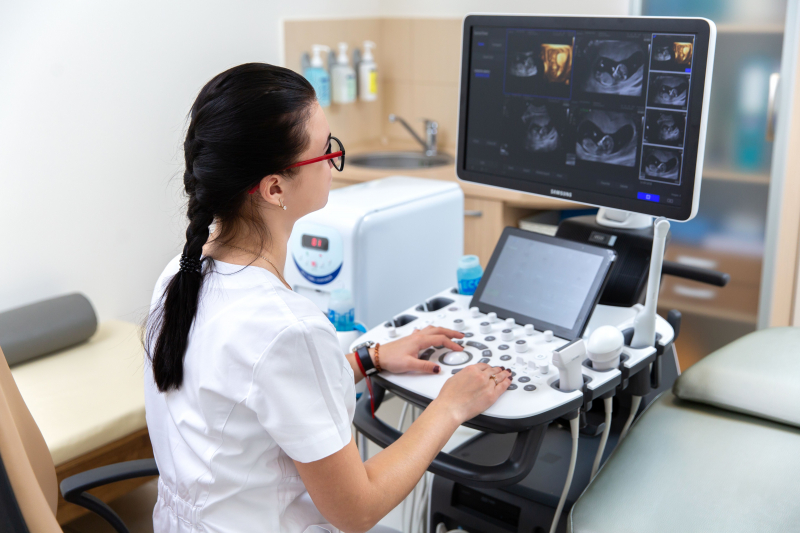
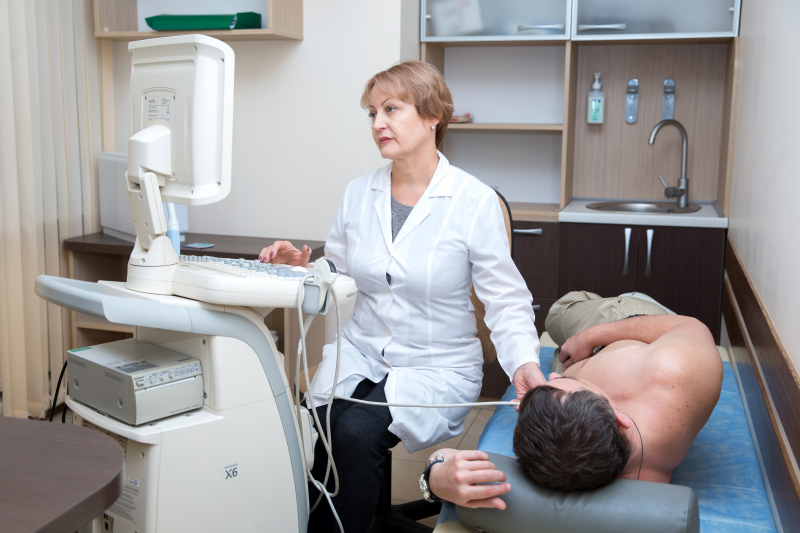







Comprehensive Check-Up for Women. For Parents.

A comprehensive medical examination, or Check-up, typically includes a series of tests and evaluations to assess the overall health of the body. This may involve blood tests, imaging studies like X-rays or ultrasounds, cardiovascular assessments, and consultations with various specialists, including a general practitioner or therapist like Bessaraba L.V. The goal is to detect any potential health issues early and to provide a thorough overview of an individual's health status.

Bioidentical therapy, pellets, bioidentical hormones. Interview with Dr. Igor Perelygin.
A comprehensive health check-up for women typically includes the following procedures and tests:
1. Complete blood count and urinalysis. These tests help assess the overall condition of the body and detect the presence of inflammatory processes or other pathologies.
2. Biochemical blood test. This test evaluates the function of various organs and systems, such as the liver, kidneys, pancreas, and others.
3. Pelvic ultrasound. This examination assesses the condition of the uterus, ovaries, and other organs of the female reproductive system.
4. Mammography. This is an X-ray examination of the breasts, which helps detect the presence of tumors or other changes in breast tissue.
5. Colposcopy. This examination evaluates the condition of the cervix and detects the presence of precancerous conditions or infections.
6. ECG (Electrocardiogram). This test assesses heart function and detects the presence of arrhythmias or other pathologies.
7. Consultation with a gynecologist and therapist. As part of a comprehensive health check-up, consultations with specialists are usually conducted to assess overall health and identify potential issues.
8. Additional tests. Depending on age, health status, and risk factors, the doctor may recommend additional tests such as colonoscopy, gastroscopy, hormone status tests, and others.
A comprehensive health check-up for women is an important step in maintaining health and preventing the development of serious diseases. Regular check-ups allow for the detection of problems at early stages when treatment can be more effective. Therefore, it is recommended to undergo a comprehensive health check-up for women at least once a year.
For women, the following procedures and examinations are typically performed:
1. Hormonal status tests. This test assesses the levels of hormones responsible for ovulation and preparing the body for pregnancy.
2. Pelvic ultrasound. This examination evaluates the condition of the uterus, ovaries, and other organs of the female reproductive system.
3. Colposcopy. This examination assesses the condition of the cervix and identifies precancerous conditions or infections.
4. Hysterosalpingography. This X-ray examination evaluates the patency of the fallopian tubes and identifies any pathologies that may hinder conception.
5. Laparoscopy. This surgical procedure assesses the condition of the pelvic organs and identifies pathologies such as endometriosis or adhesions.
6. Consultation with a gynecologist and reproductive specialist. As part of the infertility evaluation, consultations with specialists are usually conducted to assess overall health and identify potential issues.
For men, the following procedures and examinations are typically performed:
1. Hormonal status tests. This test assesses the levels of hormones responsible for sperm production.
2. Semen analysis. This examination evaluates the quantity and quality of sperm.
3. Pelvic ultrasound. This examination evaluates the condition of the prostate and other organs of the male reproductive system.
4. Consultation with a urologist and reproductive specialist. As part of the infertility evaluation, consultations with specialists are usually conducted to assess overall health and identify potential issues.
Infertility evaluation helps identify problems that may prevent conception and choose the optimal treatment. Often, successful infertility treatment is only possible after a complete evaluation and identification of the causes of the condition. Therefore, it is recommended to undergo an infertility evaluation as soon as possible after starting attempts to conceive.
Initially, the doctor collects the patient's medical history, which includes a detailed description of symptoms and complaints, as well as information about the presence of diabetes in close relatives. A physical examination is then conducted, which includes measuring blood pressure and assessing the condition of the skin, nervous system, and other organs.
Various tests are used to assess blood glucose levels, such as the glycated hemoglobin test, which provides an average blood glucose level over the past 2-3 months. Tests for fasting glucose and postprandial glucose are also conducted.
Tests on insulin secretion and C-peptides are used to evaluate the function of the pancreas and its ability to produce insulin.
Urine and blood tests, as well as kidney ultrasounds, are conducted to assess kidney condition and function.
An eye examination, including a fundus examination, is performed to assess eye health, as diabetes can lead to the development of retinopathy, a disease of the retina.
The doctor may also prescribe additional tests to identify diabetes complications, such as an ECG, heart ultrasound, and blood lipid level tests, among others.
A diabetes examination is necessary for the early detection of complications and monitoring the body's condition. Regular examinations allow the doctor to evaluate the effectiveness of treatment and make necessary adjustments. Additionally, a diabetes examination helps the patient monitor their health and prevent the development of complications, which is important for maintaining quality of life and extending its duration.
The examination during a cardiological CHECK-UP begins with the collection of medical history and a physical examination of the patient. The doctor asks questions about chronic diseases, heredity, lifestyle, and other factors that may affect heart health. Blood pressure and pulse are then measured.
For a more detailed study of heart function, various diagnostic methods are used, including an ECG (electrocardiogram), which assesses the heart's electrical activity and detects arrhythmias or ischemia. An ultrasound of the heart may also be prescribed to evaluate the structure and function of heart valves, the size and thickness of the heart walls, and to detect tumors or blood clots.
One of the important stages of examination during a cardiological CHECK-UP is conducting stress tests. These may include a bicycle ergometry (measuring heart function during physical exertion on a stationary bike), a treadmill test, or a stair test. These tests assess heart performance under physical stress and reveal hidden disorders.
After conducting all necessary tests, the doctor can conclude the state of your heart and provide recommendations for further treatment and prevention. If any disorders are detected, the doctor may prescribe additional examinations or treatment.
A cardiological CHECK-UP is an important procedure for anyone, especially for those with a family history of cardiovascular diseases or those leading an unhealthy lifestyle. Regular examinations allow for the detection of potential problems and timely initiation of treatment, significantly reducing the risk of developing serious heart diseases.
The main goal of preconception health screening is to assess the future mother's health and identify any diseases or risk factors that could impact the pregnancy. Additionally, the screening helps prepare the body for pregnancy and take necessary measures to minimize risks.
During the screening, the future mother undergoes a comprehensive medical examination, which includes measuring blood pressure, pulse, and weight, as well as tests for infections, antibodies to infections, blood type, and Rh factor. An ultrasound of the pelvic organs may also be prescribed to assess the condition of the reproductive system.
Special attention is given to the hormonal balance, as any disruptions in this system can negatively affect the pregnancy. If necessary, consultation with an endocrinologist or a gynecologist-endocrinologist may be recommended.
Another important aspect of preconception health screening is identifying any chronic diseases the future mother may have, such as diabetes, asthma, hypertension, and others. If such conditions are present, consultation with relevant specialists is necessary to determine the best treatment plan for the future mother.
Furthermore, preconception health screening includes an assessment of the future mother's psychological and emotional state. This is a crucial aspect, as the mother's emotional well-being can significantly influence the child's development.
Based on the screening results, the doctor may provide recommendations for preparing for pregnancy, including taking vitamin supplements, lifestyle and diet adjustments, and prescribing necessary medical procedures or consultations with other specialists.
Preconception health screening is an important step for future parents, as it helps prepare the body for pregnancy and minimize health risks for both the mother and the child. Therefore, it is recommended to conduct it in advance to allow enough time for the body to prepare for pregnancy and address any potential issues.
Depending on the symptoms and complaints of the patient, the doctor may prescribe various types of examinations. The main methods of examination for GI tract diseases include:
1. Clinical blood and urine tests. These tests allow for the assessment of the overall condition of the body, the presence of inflammatory processes, and other changes.
2. Biochemical blood analysis. This analysis helps determine the levels of enzymes, hormones, and other substances that may indicate the presence of GI tract diseases.
3. Instrumental examination methods, such as X-ray, computed tomography (CT), and magnetic resonance imaging (MRI). These methods provide detailed images of the digestive organs and can detect tumors, stones, inflammatory processes, and other changes.
4. Esophagogastroduodenoscopy (EGD). This method allows for the assessment of the esophagus, stomach, and duodenum using a flexible tube with a camera at the end, which is inserted through the mouth.
5. Colonoscopy. This examination allows for the assessment of the large intestine using a flexible tube with a camera at the end, which is inserted through the rectum.
6. Ultrasound examination of the abdominal organs. This method allows for the assessment of the liver, gallbladder, pancreas, and other organs.
7. Gastroscopy and colonoscopy with biopsy. These methods allow for the collection of tissue samples for further examination under a microscope.
When undergoing examination for GI tract diseases, it is important to follow all the doctor's recommendations and not to skip the prescribed tests, as only a comprehensive examination can provide a complete picture of the condition of the digestive organs and identify possible diseases.
Based on the examination results, the doctor can make a diagnosis and prescribe appropriate treatment. It is also important to follow dietary and lifestyle recommendations to prevent disease exacerbation and achieve full recovery.
The main methods of examining a man's body include:
1. General blood and urine tests. These tests help assess the overall condition of the body, the presence of inflammatory processes, and other changes.
2. Biochemical blood analysis. This analysis determines the levels of enzymes, hormones, and other substances that may indicate the presence of diseases.
3. Instrumental examination methods, such as X-ray, computed tomography (CT), and magnetic resonance imaging (MRI). These methods provide detailed images of the body's organs and tissues and help identify various changes.
4. Cardiological examination, including electrocardiogram (ECG) and echocardiography. These methods assess the condition of the cardiovascular system and detect possible disorders.
5. Ultrasound of the abdominal organs and genitourinary system. This method evaluates the condition of the liver, gallbladder, kidneys, bladder, and other organs.
6. Preventive examination by a urologist and gynecologist (for men). This helps identify potential diseases of the genitourinary system and reproductive organs.
7. Consultation with an endocrinologist. This specialist assesses the functioning of the endocrine system and can detect any disorders in its operation.
8. Examination of vision and hearing. These tests help identify potential problems with the sensory organs.
9. Examination of the skin and subcutaneous fat deposits. This is important for identifying various dermatological diseases and risks for their development.
Based on the examination results, the doctor will diagnose and prescribe appropriate treatment. It is also important to follow recommendations on diet and lifestyle to prevent disease exacerbation and maintain good health.
Typically, a 60+ check-up includes the following procedures:
1. General medical examination. The doctor conducts a physical examination, measures blood pressure and pulse, and checks the condition of the skin, eyes, ears, nose, and throat.
2. Laboratory tests. These include a complete blood count, urinalysis, and a biochemical blood test to assess the function of internal organs, as well as a fecal occult blood test.
3. Heart and vascular examination. This includes an ECG (electrocardiogram) to assess heart function, an ultrasound of the heart to detect structural and functional abnormalities, and Doppler ultrasound to evaluate blood flow in the vessels.
4. Respiratory system examination. This includes a chest X-ray to detect lung and bronchial diseases and spirometry to assess lung function.
5. Digestive system examination. This includes an abdominal ultrasound to evaluate the liver, gallbladder, pancreas, kidneys, and other organs.
6. Bone and joint examination. This includes X-ray imaging of bones and joints to detect musculoskeletal disorders.
7. Vision and hearing examination. This includes checking visual acuity, eye pressure, and audiometry to assess hearing.
8. Consultation with a gynecologist (for women) or urologist (for men). This includes an examination of the pelvic and genitourinary systems, as well as a mammogram (for women) or pelvic ultrasound (for men).
9. Consultation with an endocrinologist. This includes checking the function of the thyroid gland and other internal organs that regulate hormonal balance in the body.
10. Consultation with a neurologist. This includes an examination of the nervous system to identify possible disorders.
Based on the results of the check-up, the doctor will identify potential problems and prescribe appropriate treatment or recommendations to maintain health. Regular check-ups help detect diseases at early stages and prevent their progression, allowing individuals to maintain health and quality of life in older age.
Typically, the following examinations are conducted before the introduction of bio-pellets:
1. Complete blood and urine tests. These tests help evaluate the overall condition of the body and detect any inflammatory processes.
2. Biochemical blood analysis. This analysis determines the levels of enzymes, hormones, and other substances that may indicate the presence of diseases.
3. Pelvic ultrasound (for women). This assesses the condition of the pelvic organs and identifies any potential changes that could affect the effectiveness of bio-pellet introduction.
4. Endocrinologist consultation. This specialist evaluates the functioning of the endocrine system and can identify any dysfunctions.
5. Gynecologist consultation (for women). This is important for assessing the reproductive system's condition and ruling out contraindications for bio-pellet introduction.
6. Urologist consultation (for men). This helps identify any potential diseases of the genitourinary system and rule out contraindications for bio-pellet introduction.
7. Cardiological examination, including ECG and echocardiography. These methods assess the cardiovascular system's condition and identify any potential disorders.
8. PSA level check (prostate-specific antigen) (for men). This test helps detect any prostate issues.
9. Examination of skin and subcutaneous fat deposits. This is important for identifying any dermatological diseases and risks for their development.
10. Mammography (for women). This examination detects the presence of tumors in the breast.
11. Colonoscopy. This examination identifies the presence of polyps and other changes in the colon.
12. Screening for sexually transmitted infections. This is important to rule out potential problems with infectious diseases.
Based on the examination results, the doctor will assess the body's condition and decide on the possibility of introducing bio-pellets. It is also important to follow dietary and lifestyle recommendations to prepare the body for the procedure and enhance its effectiveness.
Typically, before the examination for chronic fatigue syndrome, the doctor conducts a detailed interview with the patient to identify all symptoms and factors that may affect the condition. A complete blood count and urinalysis, biochemical blood tests, and other laboratory studies may also be prescribed.
Additionally, the following examinations may be recommended:
1. Immunological study. This helps to identify any immune system disorders that may be causing chronic fatigue syndrome.
2. Thyroid function test. Hypothyroidism or hyperthyroidism can be associated with chronic fatigue syndrome.
3. Vitamin and mineral level assessment. A deficiency in certain substances can lead to fatigue and weakness.
4. Infection screening. Some infectious diseases, such as hepatitis or mononucleosis, can cause chronic fatigue syndrome.
5. Autoimmune disease screening. Chronic fatigue syndrome may be present in individuals with autoimmune diseases.
6. Digestive system evaluation. Disorders in the digestive system can lead to chronic fatigue syndrome.
7. Neurologist consultation. A neurologist can identify any nervous system disorders that may be causing fatigue and weakness.
8. Consultation with a psychologist or psychiatrist. Depression or other mental disorders can be associated with chronic fatigue syndrome.
Based on the examination results, the doctor will determine the cause of chronic fatigue syndrome and prescribe appropriate treatment. A change in lifestyle, diet, and exercise may also be recommended to improve the condition and increase energy levels.

Alternative cancer treatment

Lose weight without harm. Diabetes treatment. The book "Red Pill for Weight Loss".
Bioidentical therapy, pellets, bioidentical hormones. Interview with Dr. Igor Perelygin.

Diabetes treatment.

Private Maternity Hospital: From Conception to Childbirth. Pregnancy and Delivery at Genesis Dnepr Clinic.

Facial plastic surgery at Genesis Dnipro. Maxillofacial surgeon Dmitry Karavanov on plastic surgery.
+38 0963701324
THROUGH THE FORM:
You can fill out the form so that the doctor has the necessary information about you.
https://ivf-genesis-dnepr.ua/anketi/15/13
2. Health Monitoring: Regular check-ups allow doctors to monitor changes in a patient's health status. This helps identify any abnormalities or deviations from the norm and take appropriate action.
3. Disease Prevention and Prevention: Regular medical check-ups include v...
2. Health Monitoring: Regular check-ups allow doctors to monitor changes in a patient's health status. This helps identify any abnormalities or deviations from the norm and take appropriate action.
3. Disease Prevention and Prevention: Regular medical check-ups include various tests and examinations that help identify risks for developing certain diseases. Based on this data, the doctor can offer the patient recommendations for prevention and avoidance of potential issues.
4. Chronic Disease Management: Regular check-ups are especially important for patients with chronic conditions such as diabetes, high blood pressure, and cardiovascular diseases. They allow for disease management, treatment adjustments, and complication prevention.
5. Advice and Recommendations: Regular medical check-ups provide an opportunity for patients to receive advice and recommendations from the doctor on healthy lifestyle, nutrition, physical activity, and other aspects affecting their overall health.
Overall, regular body check-ups help maintain optimal health, prevent disease development, and enhance quality of life.
долгота: 35.0320729


