
This procedure is valuable because it allows for the detection of problems at an early stage and their elimination if necessary. During a colonoscopy, the doctor has the opportunity not only to conduct diagnostics but also to perform a biopsy and remove lesions. A COLONOSCOPY...
This procedure is valuable because it allows for the detection of problems at an early stage and their elimination if necessary. During a colonoscopy, the doctor has the opportunity not only to conduct diagnostics but also to perform a biopsy and remove lesions. A COLONOSCOPY is recommended as a preventive measure for everyone who has reached the age of 45.
In our clinic, all conditions are created to perform a colonoscopy in complete safety and comfort, ensuring accurate research results. We offer our patients a COLONOSCOPY under sedation...
- We have our own clinical diagnostic laboratory;
- We perform gastro- and colonoscopy without pain and discomfort during medicated sleep;
- We conduct examinations at the clinic, which is equipped with everything necessary to provide parallel services: operating rooms, inpatient care, and consultations with related medical specialists.
- For further treatment, we use cordyceps, Milan cocktail,...
- We have our own clinical diagnostic laboratory;
- We perform gastro- and colonoscopy without pain and discomfort during medicated sleep;
- We conduct examinations at the clinic, which is equipped with everything necessary to provide parallel services: operating rooms, inpatient care, and consultations with related medical specialists.
- For further treatment, we use cordyceps, Milan cocktail, and biopellets for effectiveness.

Doctor-endoscopist of the highest category, with 31 years of experience
Snezinsky Sergey Ivanovich
Doctor-endoscopist of the highest category, with 31 years of experience
Gastroscopy, colonoscopy, endoscopic polypectomy, endoscopic intraluminal pH-metry of the upper gastrointestinal tract, therapeutic PDT - photodynamic therapy.

Litovchenko Denis Sergeevich
General practitioner, family doctor, gastroenterologist.
General therapy, program curator for comprehensive examinations. Initial diagnosis of diseases in therapeutic and rheumatological profiles. Performing procedures and interpreting results: ultrasound densitometry, spirometry, ECG, bioimpedance analysis. Therapeutic issues during pregnancy and preparation for IVF. Managing patients with multiple conditions – diabetes, obesity, renal failure, autoimmune diseases...

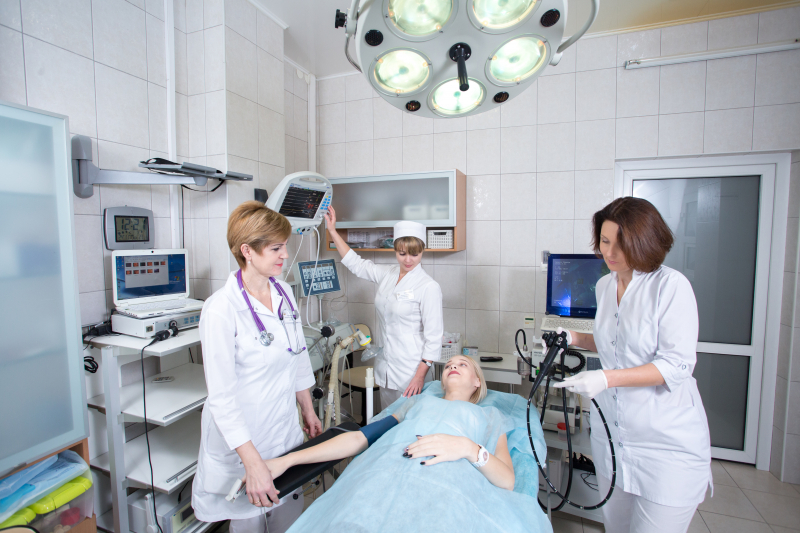
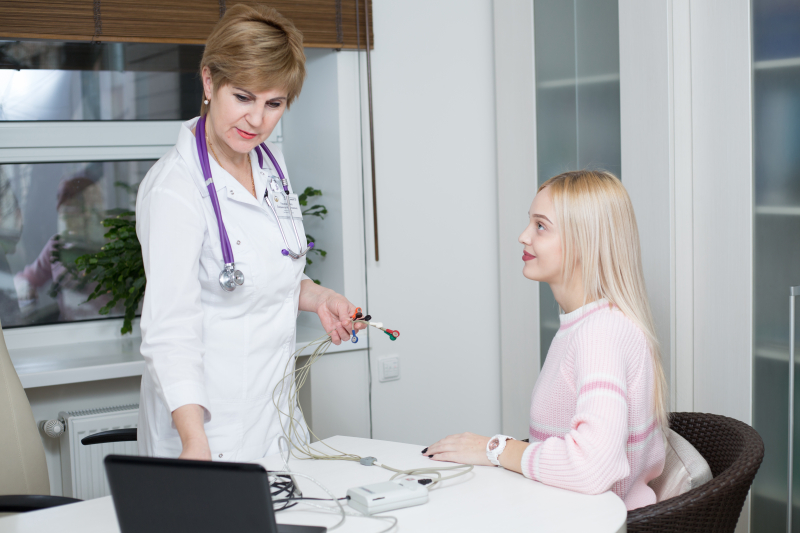
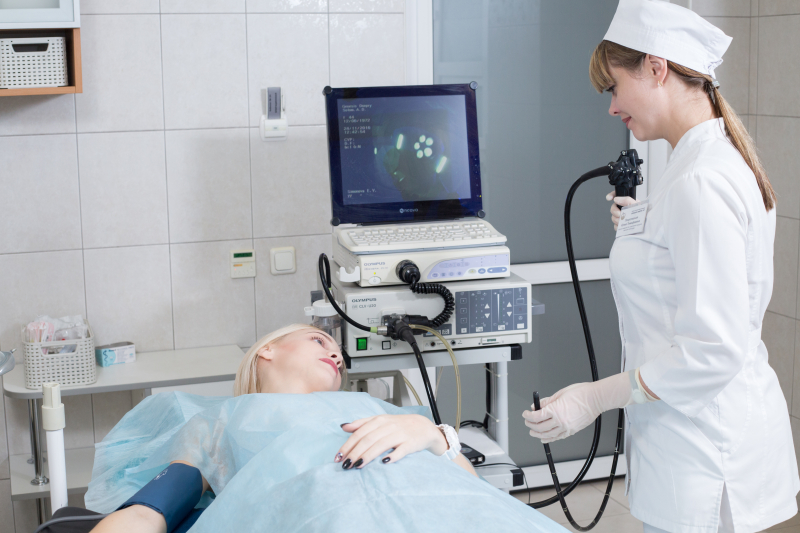
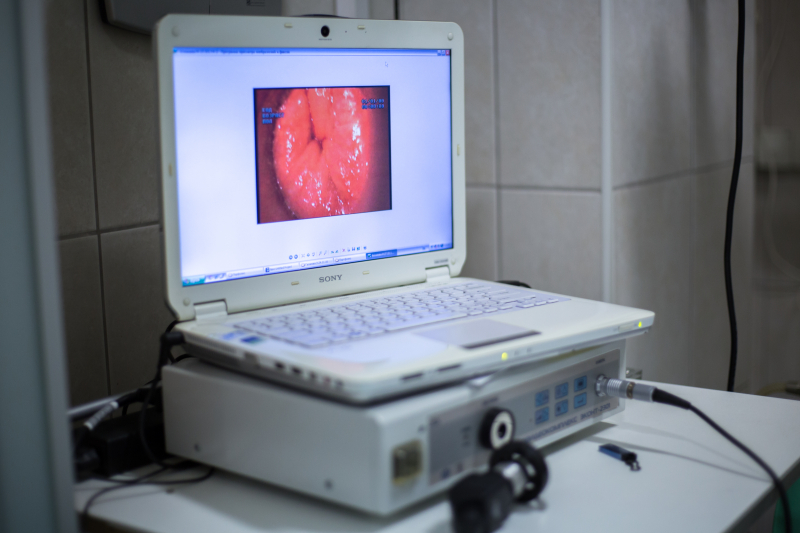
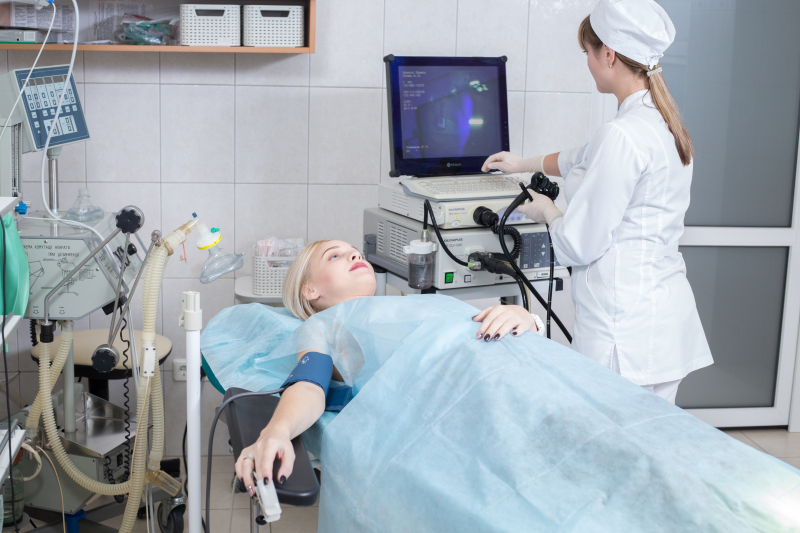
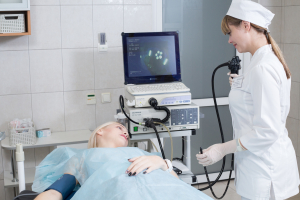
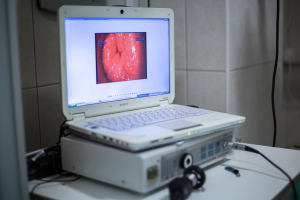
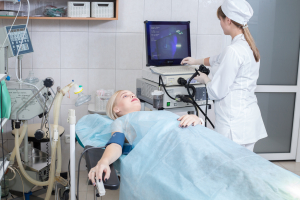
A colonoscopy may be recommended for various reasons. For example, if a patient has complaints of pain or unusual sensations in the intestinal area, changes in stool, blood in the stool, or unexplained weight loss, the doctor may recommend this procedure to identify possible causes. A colonoscopy may also be recommended for screening certain diseases, such as colon cancer or polyps, especially if the patient is at risk for these conditions.
During a colonoscopy, the doctor examines the walls of the large intestine for changes such as inflammation, ulcers, tumors, or polyps. If changes are detected, the doctor may take a biopsy (tissue sample) for further examination. Other procedures, such as polyp removal or stopping bleeding, may also be performed during the procedure.
A colonoscopy is an important procedure for diagnosing and treating diseases of the large intestine. If you are scheduled for this procedure, it is important to follow all the doctor's recommendations to ensure a successful and safe procedure.
A colonoscopy can be performed under sedation to ensure a comfortable and painless process. In this case, the patient is given a sedative to help them relax and not feel discomfort during the procedure.
Under sedation, the patient is in a state of drowsiness but can still breathe independently and respond to the doctor's commands. Doctors usually use short-acting medications so that the patient can quickly wake up after the procedure. Before undergoing a colonoscopy under sedation, it is important to inform the doctor of any allergic reactions to medications or any medications being taken.
After the procedure, the patient is advised not to drive or make important decisions for 24 hours until the sedative effect has completely worn off. Additionally, it is important to follow the doctor's instructions for preparing for the procedure, as a clean intestine facilitates the colonoscopy and increases its accuracy.
Gastroscopy and colonoscopy may be recommended for various reasons. For example, if a patient has complaints of stomach or intestinal pain, unexplained weight loss, blood in the stool, or changes in bowel habits, the doctor may recommend these procedures to identify possible causes. Additionally, gastroscopy and colonoscopy may be prescribed for screening certain diseases, such as stomach or colon cancer, especially if the patient is at risk for these conditions.
During the procedure, the doctor carefully examines the walls of the stomach and large intestine for any changes, such as inflammation, ulcers, tumors, or polyps. If changes are detected, the doctor may take a biopsy (tissue sample) for further examination. Other procedures, such as polyp removal or stopping bleeding, may also be performed during the procedure.
Simultaneous gastroscopy and colonoscopy can be beneficial in cases where there is suspicion of diseases that may affect both parts of the digestive system. For example, if a patient has peptic ulcer disease, there is a chance it may spread to the large intestine. Also, inflammatory bowel diseases, such as Crohn's disease or ulcerative colitis, can affect both the stomach and the large intestine.
Performing gastroscopy and colonoscopy simultaneously can also be more convenient for the patient, as it means they do not need to undergo two separate procedures at different times. Additionally, during the simultaneous procedure, the patient will be offered sedation, ensuring maximum comfort and minimizing discomfort from the procedure.
Overall, gastroscopy and colonoscopy are important procedures for diagnosing and treating diseases of the digestive system. If you are scheduled for one of these procedures, it is important to follow all the doctor's recommendations to ensure a successful and safe procedure.
An intestinal biopsy may be recommended when there is suspicion of various conditions, such as inflammatory processes, tumors, infections, or digestive disorders. It provides additional information about the state of the intestine and helps determine further treatment.
The intestinal biopsy procedure is performed under local anesthesia. The doctor uses a special instrument (a biopsy loop) to take a small tissue sample from the intestinal wall. This usually does not cause significant pain and takes only a few minutes.
The obtained tissue sample is sent for laboratory analysis, where its structure and the presence of any pathologies are determined. The biopsy results can help the doctor establish an accurate diagnosis and prescribe the most effective treatment.
After the procedure, the patient may experience slight discomfort in the intestinal area or minor bleeding, which usually resolves on its own. If severe pain or bleeding occurs, it is necessary to consult a doctor.
An intestinal biopsy is a safe and important procedure for diagnosing various intestinal diseases. Therefore, if a doctor has recommended it, it is important to follow their advice and undergo the procedure within the specified timeframe.
The removal of polyps is necessary to prevent their potential transformation into malignant tumors. It also helps improve the condition of the intestine and prevent the development of other diseases.
The polypectomy procedure is performed after an intestinal biopsy or on a separate day. The doctor uses special instruments (such as a loop or endoscopic scissors) to remove the polyps. The procedure usually does not cause significant pain and takes only a few minutes.
After the removal of polyps, there may be slight bleeding, which usually stops on its own. There may also be mild discomfort in the intestinal area. In case of severe pain or bleeding, it is necessary to consult a doctor.
After the procedure, the patient may be given recommendations on diet and intestinal care for quick recovery. It is also important to monitor one's condition and consult a doctor if any unusual symptoms occur.
Polypectomy is a safe and effective procedure for removing intestinal polyps. Therefore, if a doctor recommends it, it is important to follow their advice and undergo the procedure at the scheduled time. This will help prevent the development of serious diseases and maintain intestinal health.
Itching in the Anus: Real Causes, Treatment, and Prevention. Proctologist O.V. Ryabchinskaya.

Insulin resistance or excess weight. Treatment, symptoms, nutrition.

Bioidentical therapy, pellets, bioidentical hormones. Interview with Dr. Igor Perelygin.
ABNORMAL UTERINE BLEEDING. Method of treatment for AUB. Gynecologist Fedoruk Natalia

Who is eligible for plasmapheresis (blood purification) from viruses and diseases? Genesis Dnepr Clinic.
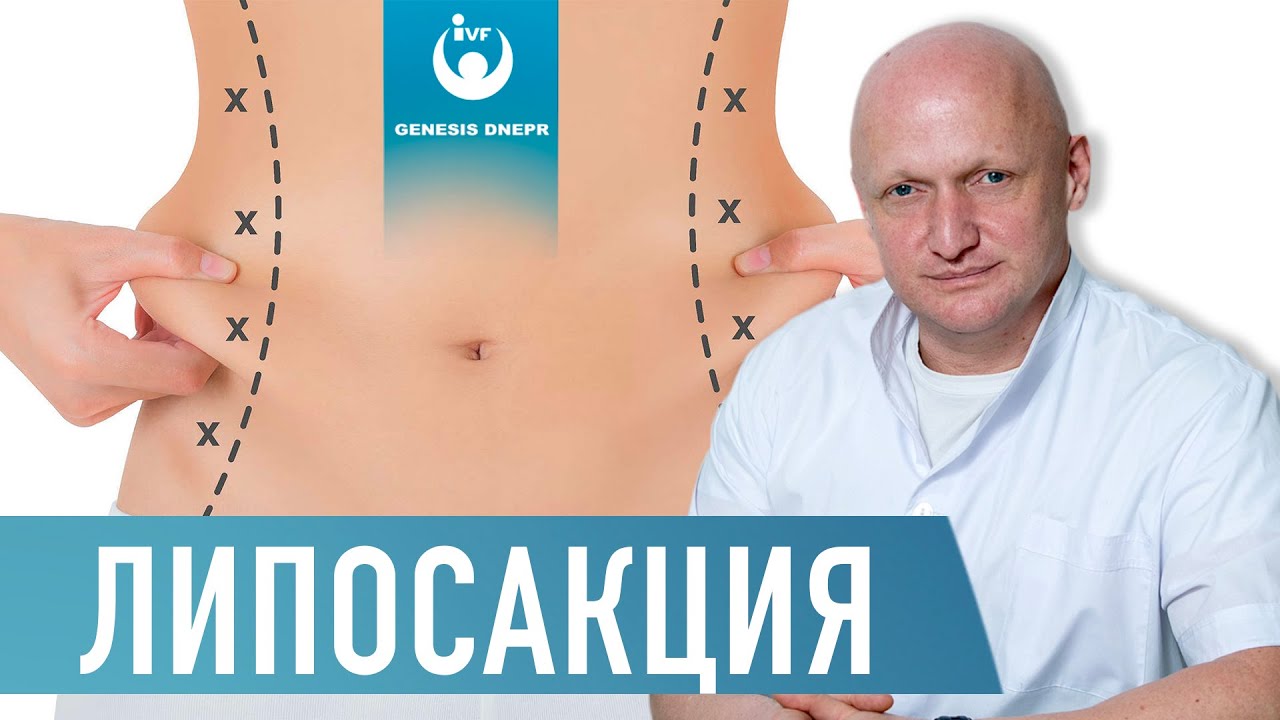
Liposuction is a cosmetic surgical procedure that removes excess fat from specific areas of the body. There are different types of liposuction techniques, including laser liposuction, vibroliposuction, and ultrasound liposuction. Laser liposuction uses laser energy to liquefy fat before it is removed. Vibroliposuction involves the use of a vibrating cannula to break up fat cells for easier removal. Ultrasound liposuction uses ultrasonic waves to emulsify fat, making it easier to extract.

Varicocele in Men: Risks, Diagnosis, and Treatment. Marmar Surgery | Surgeon Shevtsov A.N.

Pregnancy Management at Genesis Dnepr Clinic.
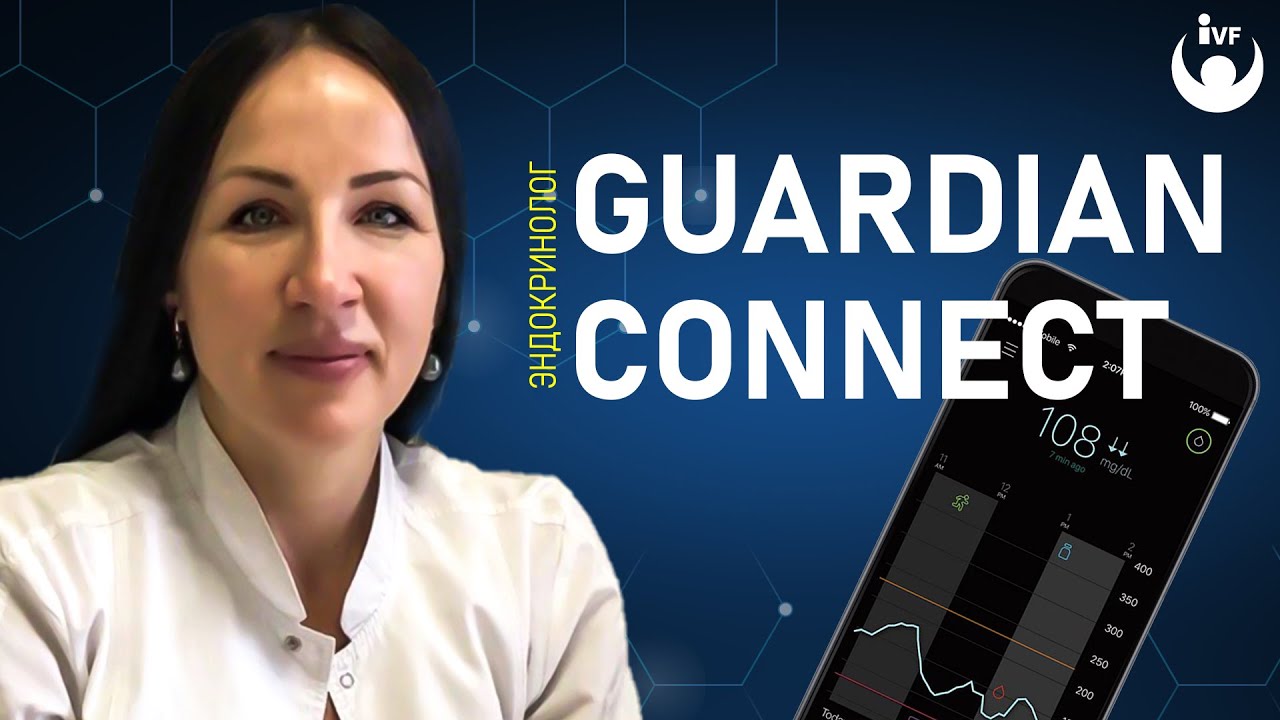
Guardian Connect - continuous glucose monitoring. Diagnosis and treatment of diabetes.
1. ЗАПИС ПО ТЕЛЕФОНУ:
+38(067) 544-68-282. ЗАПИСЬ ЧЕРЕЗ АНКЕТУ:
Анкета слугує для попереднього знайомства лікаря з медичною інформацією про Вас та дає можливість записатися на платну чи безкоштовну консультацію ...
+38 0963701324
Additionally, medication-induced sleep helps reduce anxiety and stress in the patient, which is par...
Additionally, medication-induced sleep helps reduce anxiety and stress in the patient, which is particularly beneficial in cases where the procedure might cause panic or fear.
Medication-induced sleep is usually achieved through the use of pharmaceutical drugs. The patient remains capable of breathing independently and retains some response to external stimuli, but is often in a state of deep relaxation and reduced sensitivity to pain. This allows procedures to be conducted safely and effectively, with minimal discomfort for the patient.
долгота: 35.0320729


