
For diagnostic purposes, we offer:
Heart ECG, heart ultrasound, and Doppler ultrasound of the vessels (head, neck, and lower extremities). We have a specialized ultrasound room equipped with expert-cl...
For diagnostic purposes, we offer:
Heart ECG, heart ultrasound, and Doppler ultrasound of the vessels (head, neck, and lower extremities). We have a specialized ultrasound room equipped with expert-class equipment and Speckle-tracking echocardiography functionality.
Most often, patients come to us with the following conditions:
- Atrial fibrillation
- Neurocirculatory dystonia
- Paroxysmal tachycardia
- Angina pectoris
- Atherosclerosis
- Ischemic heart disease
- Cardiomyopathy
- Extrasystole
- Post-myocardial infarction.
We use cordyceps, Milan cocktail, and biopellets for effective treatment...
- Availability of all related medical specialists for necessary consultations;
- Capability to administer treatment with intravenous drug delivery in the clinic's 24-hour or day hospital;
- Monitoring of patients over time during ongoing treatment;
- Independent sources of heat, gas, water, and electricity;
- Patient safety system with 24-hour security and parking.

Voronezhskaya Tatyana Arkadyevna
Cardiologist of the highest category, rhythmologist.
Diagnosis and treatment of the cardiovascular system.

Mukhina Violetta Borisovna
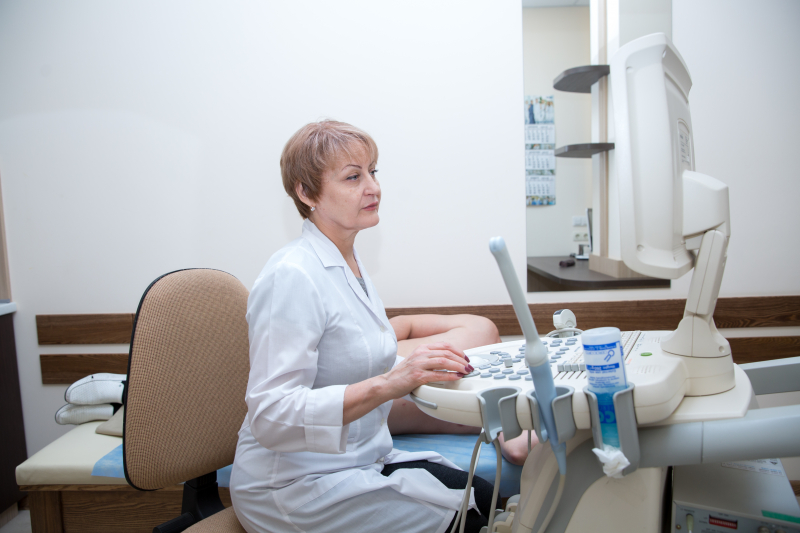
Functional Diagnostics Physician. Heart ultrasound, ECG, Holter monitor.

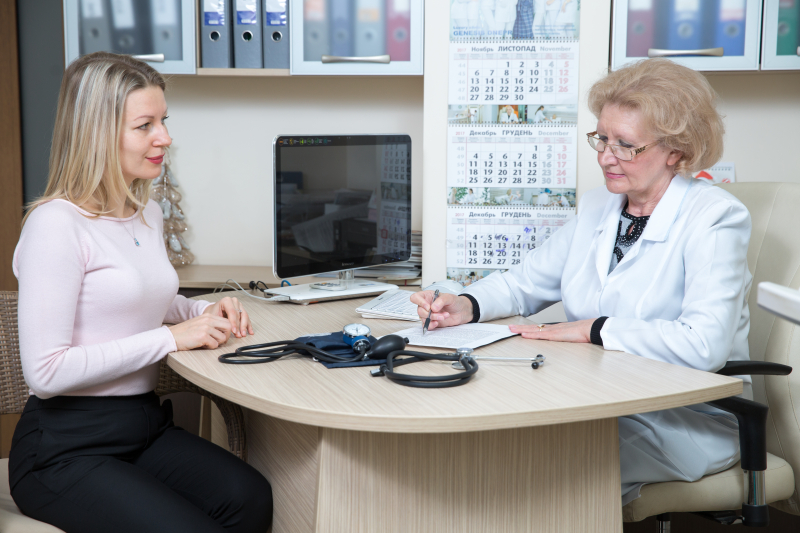

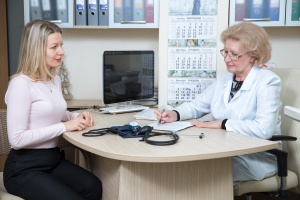
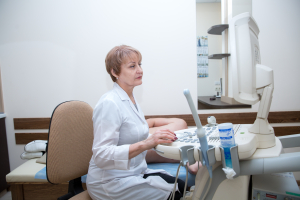

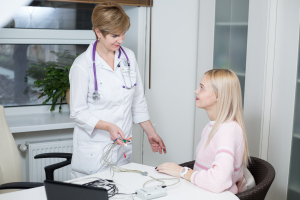
Typically, a cardiac check-up is recommended every 1-2 years for people over 40, as well as for those with risk factors for cardiovascular diseases, such as high blood pressure, diabetes, smoking, or a hereditary predisposition.
During a cardiac check-up, the following examinations may be conducted:
1. Medical history - a conversation with the patient about their complaints, family history, lifestyle, and other factors affecting heart health.
2. Physical examination - a doctor's examination, including measuring blood pressure, pulse, and auscultation of the heart and lungs.
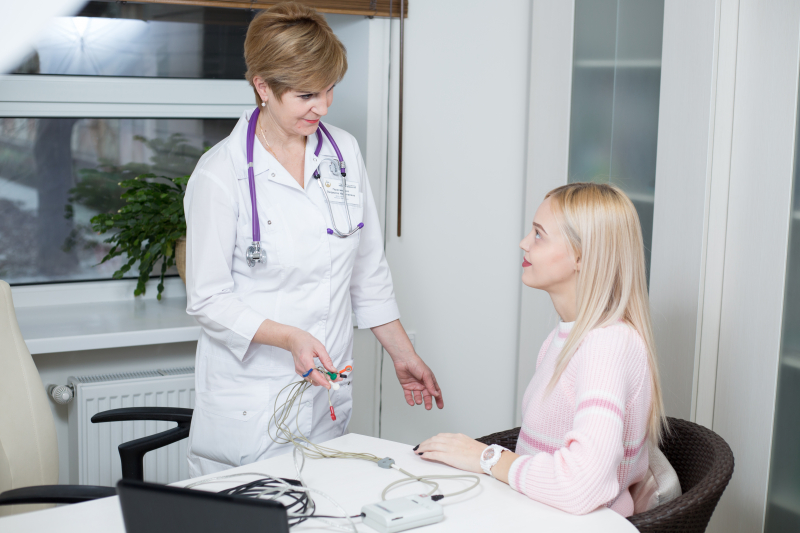
3. Electrocardiogram (ECG) - a study that assesses the heart's electrical activity and identifies rhythm or conduction disorders.
4. Echocardiogram (EchoCG) - allows for the assessment of the heart's structure and function, as well as the detection of defects or other changes.
5. Blood tests - to evaluate cholesterol levels, glucose, inflammation markers, and other indicators related to heart health.
6. Exercise stress test - may be conducted to assess heart performance and identify potential issues during physical exertion.
Based on the results of the cardiac check-up, the doctor may provide lifestyle change recommendations, prescribe medications, or order additional tests if necessary.
A cardiac check-up is not a method for diagnosing specific diseases but is intended to detect early signs and prevent their development. Therefore, regular check-ups can help maintain heart health and prevent serious problems in the future.
During the procedure, electrodes are placed on the patient's chest, arms, and legs. These electrodes are connected to an electrocardiograph, which records the electrical signals and converts them into a graphical representation. The resulting electrocardiogram is then analyzed by a doctor to determine the condition of the heart and identify any potential pathologies.
ECG can be used to diagnose various heart conditions, such as arrhythmias (irregular heart rhythm), ischemic heart disease (narrowing or blockage of the arteries supplying blood to the heart), myocardial infarction (heart tissue necrosis), hypertrophy (enlargement) of the heart, and other pathologies.
ECG is a safe and non-invasive method that typically does not cause discomfort and has no serious side effects. The procedure usually takes about 5-10 minutes.
It is important to note that interpreting an electrocardiogram and obtaining an accurate diagnosis requires an experienced cardiologist. In some cases, additional examinations, such as echocardiography or stress testing, may be necessary for a more detailed assessment of the heart's condition.
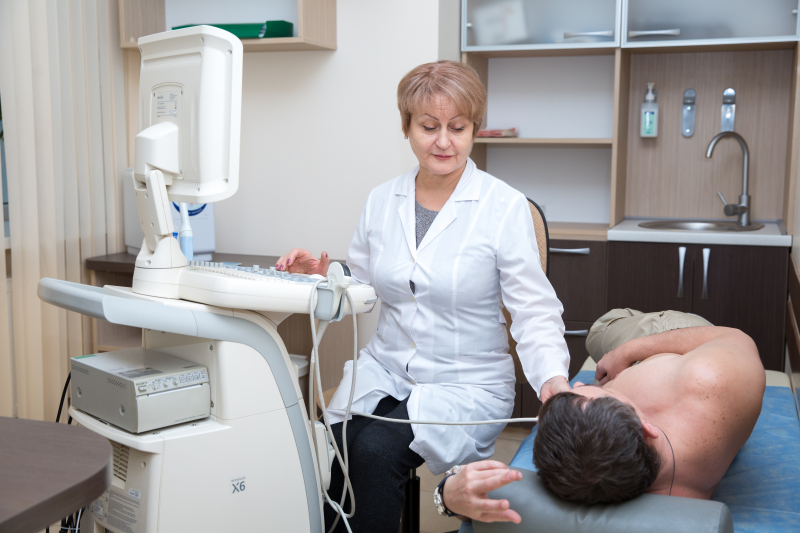
During an echocardiogram, a doctor uses a special device called an echocardiograph, which sends ultrasound waves through the patient's chest. These waves reflect off the heart's structures and are converted into images on the device's screen. The doctor can evaluate the size and shape of the heart, its structure, the function of its chambers and valves, and detect any defects or other changes.
An echocardiogram can be performed both at rest and during physical activity to assess the heart's performance and identify potential issues under stress.
This procedure does not require special preparation and does not cause pain. It can be performed on adults and children of any age.
An echocardiogram may be prescribed to diagnose various heart conditions, such as:
- Cardiomyopathy (heart muscle disease);
- Arrhythmia (irregular heartbeat);
- Heart defects;
- Myocardial infarction;
- Inflammatory heart diseases, and others.
It can also be used to monitor the effectiveness of treatment and assess the progression of a disease.
An echocardiogram is a safe and informative diagnostic method that provides the doctor with detailed information about the patient's heart condition. It can be conducted as a standalone test or in conjunction with other methods, such as an ECG or laboratory tests.
During the procedure, a gel is applied to the area to be examined, and then a special sensor, called a Doppler probe, is placed on the skin. The probe emits ultrasound waves, which are reflected off the red blood cells in the vessels and return to the probe. The collected data is then processed by a specialized computer, which displays information about the blood flow velocity.
Doppler ultrasound of the head and heart vessels can be used to diagnose various conditions, such as stenosis (narrowing) or occlusion (blockage) of vessels, atherosclerosis (buildup of fatty plaques on vessel walls), thrombosis (formation of a blood clot), as well as to assess the effectiveness of treatment and monitor the patient's condition.
This method is safe and non-invasive, meaning it does not require penetration into the body. It usually does not cause discomfort and has no serious side effects. The duration of the procedure can vary depending on the extent of the examination but typically takes about 15-30 minutes.
The results of a Doppler study can only be interpreted by a qualified specialist, and additional examinations may be required to obtain an accurate diagnosis.
Holter monitoring is conducted using a portable device called a Holter monitor, which records the heart's electrical activity throughout the day. The patient wears electrodes on their chest that are connected to the device, and an electrocardiogram (ECG) is recorded during this time. This allows the doctor to assess the heart rhythm, detect arrhythmias, investigate heart attacks, and identify other heart function abnormalities.
24-hour heart and vascular monitoring is also conducted using a portable device, but in this case, blood pressure is measured over a 24-hour period. The device automatically measures blood pressure at specific intervals and records the results. This allows the doctor to assess blood pressure changes at different times of the day and night, detect hypertension, and identify other vascular issues.
Holter and 24-hour heart and vascular monitoring are important diagnostic methods that help doctors gain a more comprehensive understanding of a patient's heart and vascular function, identify abnormalities, and determine the most effective treatment.
The 24-hour inpatient facility for heart diagnosis and treatment conducts various procedures and studies aimed at identifying and treating heart diseases. These include heart ultrasounds, ECGs, coronary angiography, stress tests, and other diagnostic methods.
The facility also offers treatment options for patients with heart diseases. Depending on the diagnosis, this may include medication, surgical interventions, post-operative rehabilitation, and other methods.
In our 24-hour inpatient facility for heart diagnosis and treatment, there is an opportunity for continuous monitoring of patients' conditions and adjustment of treatment if necessary.
The 24-hour inpatient facility for heart diagnosis and treatment is an important link in the healthcare system, providing quality medical care to patients with cardiovascular diseases at any time of the day.
Bioidentical therapy, pellets, bioidentical hormones. Interview with Dr. Igor Perelygin.
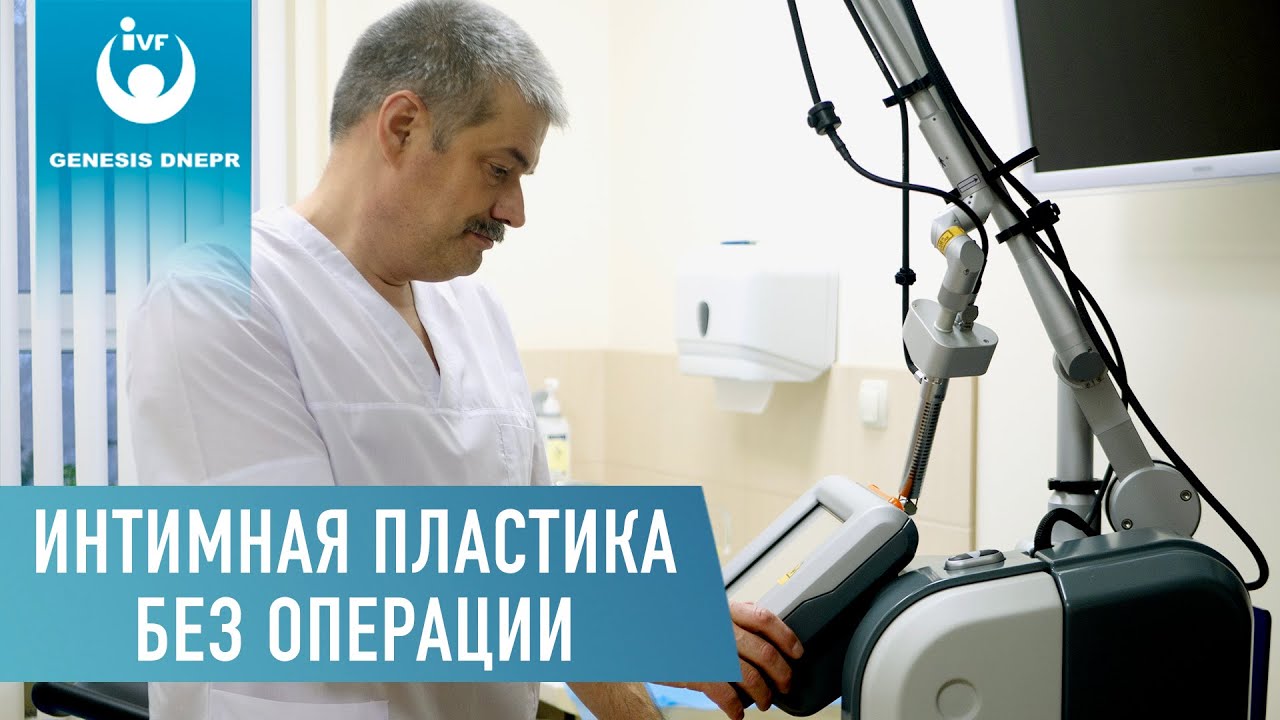
Laser intimate plastic surgery without pain and operation. Treatment of the intimate area with CO2 laser MonaLisa Touch Deka.
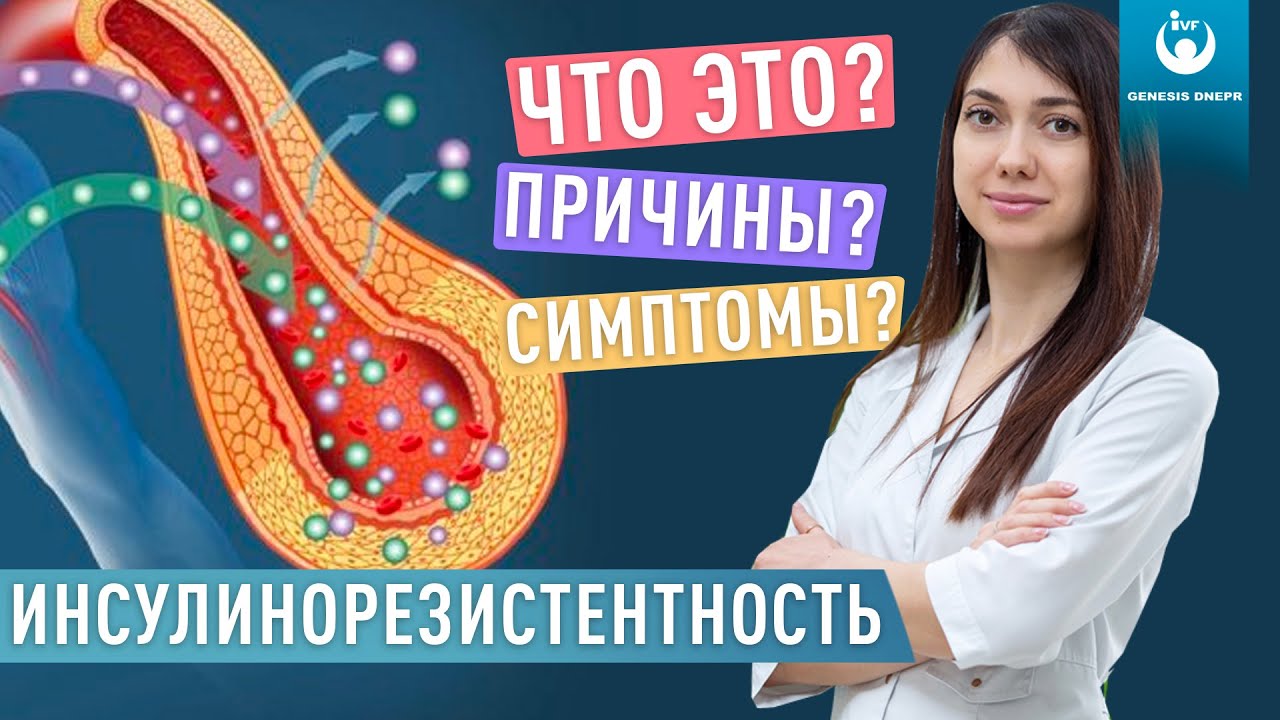
Insulin resistance or excess weight. Treatment, symptoms, nutrition.
Tour of Genesis Dnepr Clinic | Maternity Ward, Plastic Surgery, Therapy, Detoxification...
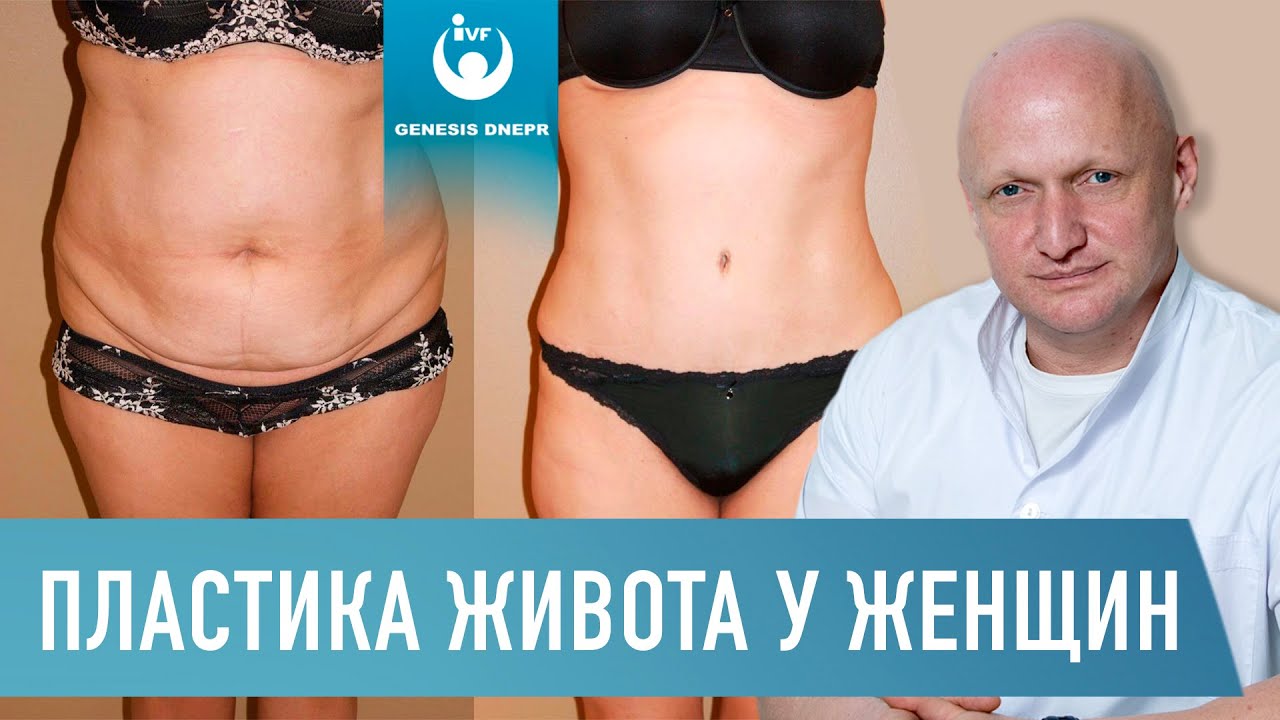
Tummy Tuck. How to Achieve a Beautiful Abdomen? Laser Plastic Surgery. Abdominoplasty | Surgeon Shevtsov
Complementary therapy in oncology
Who is eligible for plasmapheresis (blood purification) from viruses and diseases? Genesis Dnepr Clinic.
Diabetes Treatment: An Interview with an Endocrinologist.
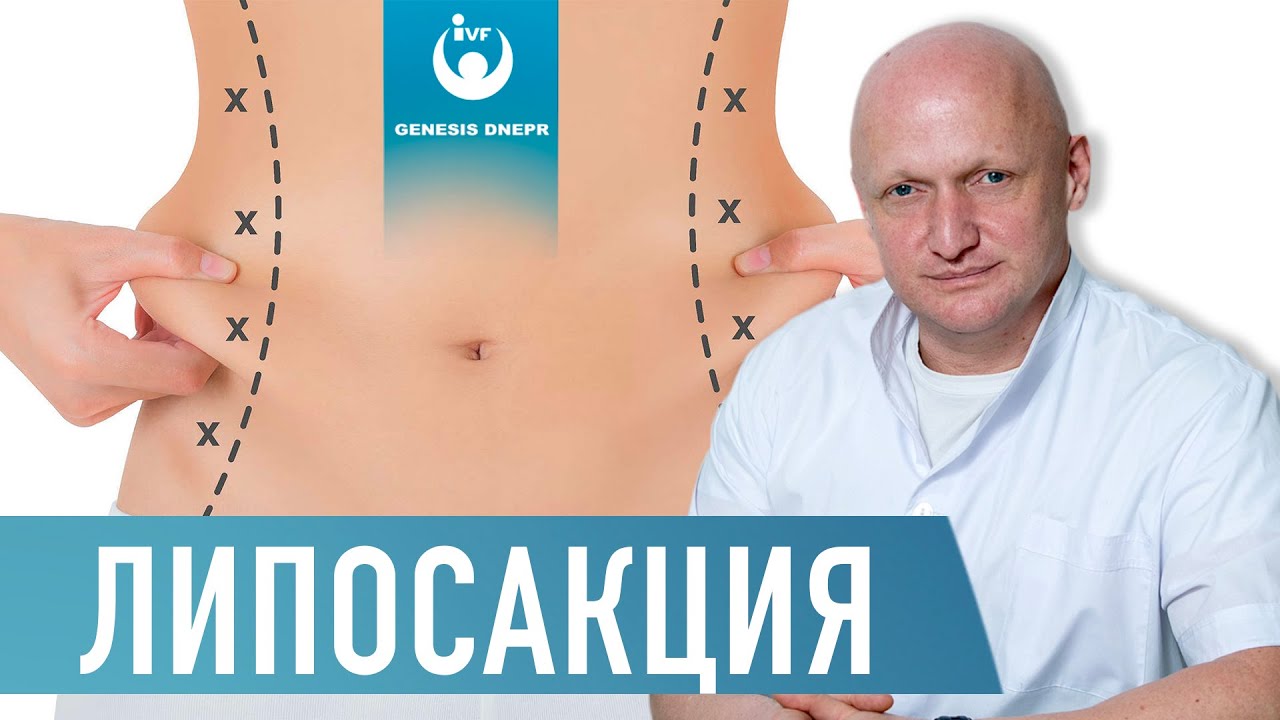
What is LIPOSUCTION? Laser liposuction, vibroliposuction, ultrasonic liposuction.|Surgeon Shevtsov
1. ЗАПИС ПО ТЕЛЕФОНУ:
+38(067) 544-68-282. ЗАПИСЬ ЧЕРЕЗ АНКЕТУ:
Анкета слугує для попереднього знайомства лікаря з медичною інформацією про Вас та дає можливість записатися на платну чи безкоштовну консультацію ...
+38 0963701324
1. Medical history – the doctor asks the patient questions about their general health, presence of symptoms, or risk factors for cardiovascular diseases.
2. Physical examination – the doctor examines the patient, measures blood pressure, and listens to the heart and lungs.
3. Electrocardiogram (ECG) – a...
1. Medical history – the doctor asks the patient questions about their general health, presence of symptoms, or risk factors for cardiovascular diseases.
2. Physical examination – the doctor examines the patient, measures blood pressure, and listens to the heart and lungs.
3. Electrocardiogram (ECG) – a procedure that records the electrical signals generated by the heart. This allows for the assessment of the heart's rhythm and function.
4. Laboratory tests – include blood tests for cholesterol levels, glucose, inflammation markers, and other indicators that may suggest cardiovascular issues.
5. Heart ultrasound – a non-invasive procedure using ultrasound to study the structure and function of the heart.
6. Doppler ultrasound of the neck and head vessels.
A cardiological check-up helps identify potential heart and vascular problems, such as hypertension, atherosclerosis, arrhythmias, valve defects, and others. Early detection of these diseases allows for the initiation of treatment and prevention of serious complications, such as myocardial infarction or stroke.
Regular cardiological check-ups are recommended for everyone, especially those with risk factors for cardiovascular diseases, such as smoking, diabetes, high cholesterol levels, obesity, family history of cardiovascular diseases, and more. This helps maintain heart health and prevent the development of serious issues.
долгота: 35.0320729


