
- Ultrasound examination of the breast with a consultation from a mammologist
- Breast biopsy under ultrasound guidance
- Surgical intervention
- Breast reconstruction
- Treatment of cancer processes in the breast
When should you see a mammologist? Indications for an urgent visit to a mammologist include:
- Any complaints related to the breasts, such as pain, disco...
- Ultrasound examination of the breast with a consultation from a mammologist
- Breast biopsy under ultrasound guidance
- Surgical intervention
- Breast reconstruction
- Treatment of cancer processes in the breast
When should you see a mammologist? Indications for an urgent visit to a mammologist include:
- Any complaints related to the breasts, such as pain, discomfort, changes in color and shape of the breast, lumps in the glands, changes in the nipple area, and discharge from the nipples
- A family history of breast cancer or cancer of the female reproductive organs
- Enlargement of the axillary lymph nodes
- Preventive check-ups (in the absence of complaints) once a year
We use cordyceps, Milan cocktail, and biopellets for effective treatment...
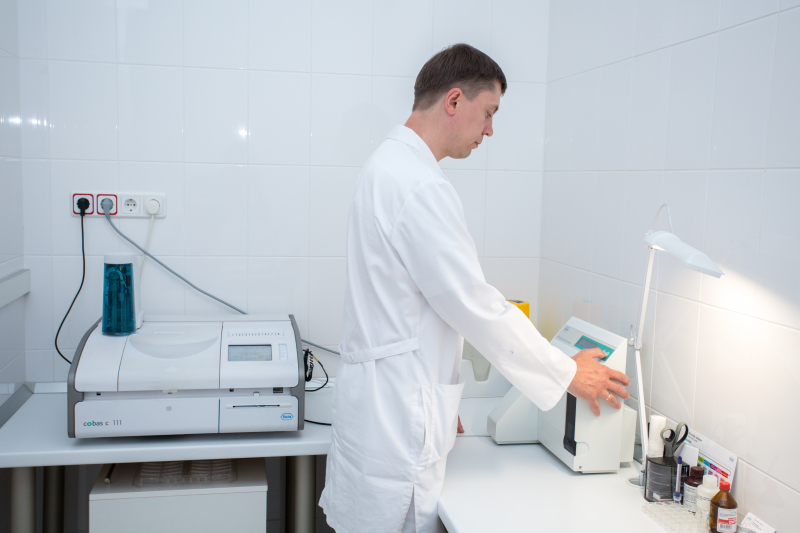
- We have our own clinical diagnostic laboratory;
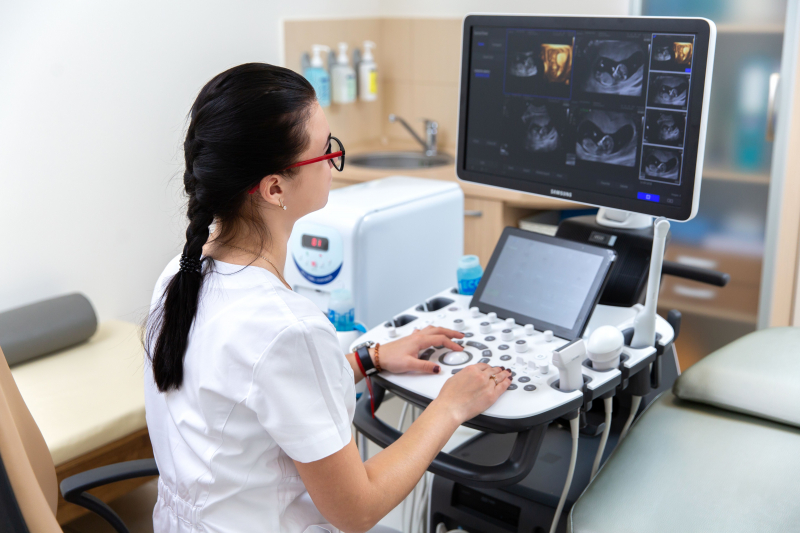
- Ultrasound diagnostics are performed using expert-class equipment with elastography function;
- There are several operating rooms available;
- The clinic employs oncologists and doctors of related specialties.

Mozhaev Dmitry Grigoryevich
Mammologist of the highest category, oncologist, surgeon.
Diagnosis and treatment of breast diseases, ultrasound examination of the breasts. Removal and reconstruction of the breast ("oncorecovery" - proprietary technique).

Shapovalyuk Vladimir Vladislavovich
Surgeon of the highest category, plastic surgeon. Candidate of Medical Sciences. Active member of ISAPS (International Society of Aesthetic Plastic Surgery). Lecturer, Associate Professor at the Department of Surgery, Traumatology, and Orthopedics at DMA.
Facial, breast, and full body plastic surgery.

Shagan Dmitry Valeryevich
Surgeon of the highest category, plastic surgeon. 20 years of experience. Performs over 350 surgeries per year.
Facial, breast, and body plastic surgery, liposuction, lipofilling. General surgery, leg vascular surgeries.




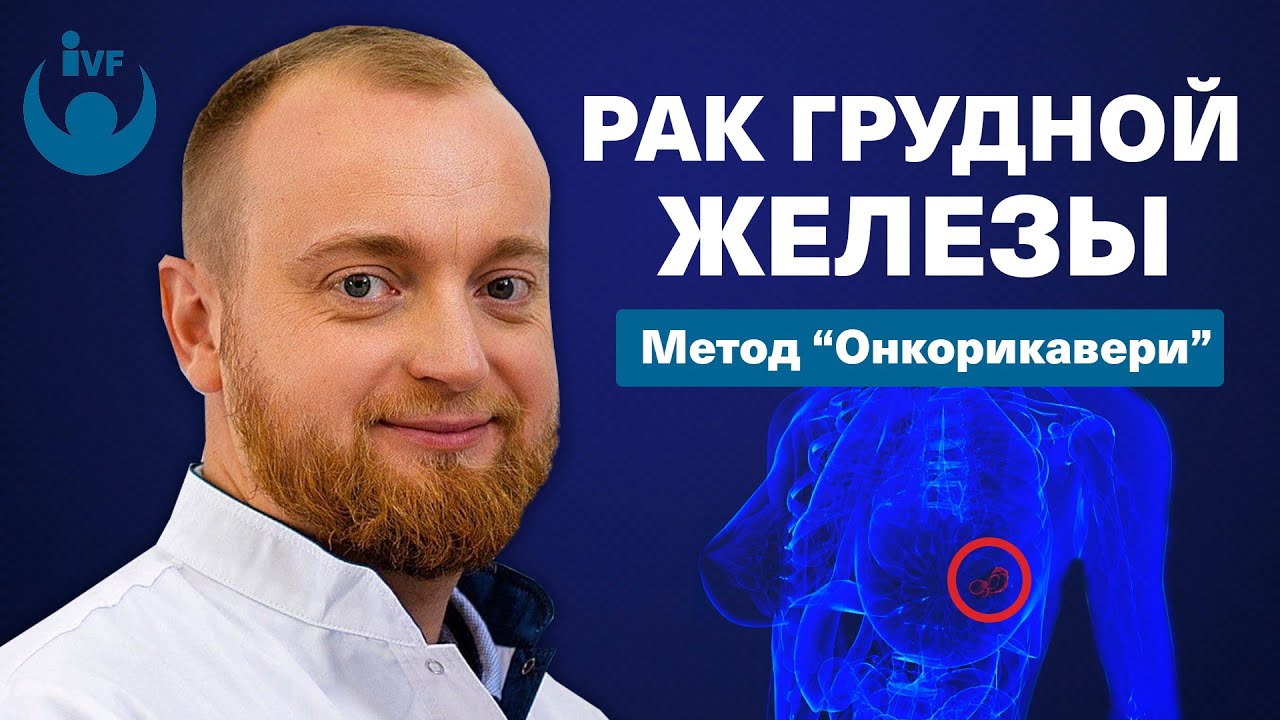
Breast cancer - what is the "oncorecovery" method? | D. G. Mozhaev, Mammologist-Oncologist.
Medication therapy involves taking drugs aimed at eliminating hormonal imbalance, which is one of the main causes of mastopathy development. These may include medications containing progesterone or anti-estrogens. Drugs that improve microcirculation and metabolism in the breast tissues may also be prescribed.
Lifestyle changes also play an important role in the treatment of mastopathy. It is recommended to quit smoking and alcohol consumption, maintain a healthy diet, and consume foods rich in phytoestrogens (such as soy products). It is also important to avoid stress and engage in regular physical activity.
In some cases, surgical intervention may be necessary. Surgery may be recommended if mastopathy is accompanied by severe pain, cystic formations, or suspicion of a malignant tumor. Surgical treatment may involve the removal of cysts or polyps, and in more complex cases, the removal of part or all of the breast.
In addition to the main treatment, it is important to have regular check-ups with a doctor and monitor the condition of the breasts. If new symptoms are detected or the condition worsens, it is necessary to seek medical help immediately.
The treatment of mastopathy requires a comprehensive approach and can be a fairly lengthy process. It is important to follow the doctor's recommendations and not skip medication doses. With timely medical attention and proper treatment, the prognosis for the condition is favorable.
The primary method for treating breast cancer is surgery. Most commonly, a tumor removal operation, known as a mastectomy, is performed. This may involve removing only part of the breast (partial mastectomy) or the entire breast along with the lymph nodes in the armpit area (radical mastectomy). In some cases, it may also be necessary to remove tumors in other organs, such as in the case of metastases.
After surgery, chemotherapy or radiation therapy may be prescribed to destroy any remaining cancer cells and prevent recurrence of the disease. Hormonal therapy may also be recommended, especially for hormone-dependent tumors.
Supportive therapy plays an important role in the treatment of breast tumors. This may include taking medications to strengthen the immune system, vitamin complexes, as well as psychological support and rehabilitation after surgery.
It is important to remember that the treatment of breast tumors requires an individualized approach and may take a considerable amount of time. Regular check-ups and following the doctor's recommendations will help achieve the best results and prevent possible complications.
There are several methods of reconstructive mammoplasty, including the use of implants, the patient's own tissue, and combined methods. The final choice of method depends on the individual characteristics of the patient and the doctor's recommendations.
In the case of using implants, they are inserted under the skin and chest muscles through small incisions. This may require several stages to achieve the desired result.
Another method of reconstruction involves using the patient's own tissue. Typically, skin and fat tissue from the abdomen or back are used. These tissues are transferred to the site of the removed breast to form a new breast.
Additionally, a combined method may be applied, using both implants and the patient's own tissue to achieve the best aesthetic result.
Reconstructive mammoplasty can be performed immediately after the breast is removed or at a separate time when the patient has recovered from the surgery. It is important to remember that the reconstruction process may take several stages and requires an individualized approach.
Reconstructive mammoplasty is an important part of breast cancer treatment, as it helps the patient return to normal life and improve self-esteem. Therefore, it is important to discuss this issue with a doctor and choose the most suitable reconstruction method for each specific case.
During this operation, the surgeon makes a small incision in the breast and removes the tumor along with a small piece of healthy tissue around it. The incision is then sutured, leaving a small scar.
A lumpectomy can be performed as a standalone procedure or in combination with lymphadenectomy (removal of lymph nodes). Depending on the size and location of the tumor, additional radiation therapy or chemotherapy may be required to prevent recurrence.
After a lumpectomy, the patient may need reconstructive mammoplasty to restore the shape and volume of the breast. Chemotherapy or hormone therapy may also be necessary to prevent the spread of cancer cells.
A lumpectomy is a less invasive procedure compared to a mastectomy and may be more preferable for patients with benign tumors or small malignant tumors. However, the decision on the choice of surgery should be made by the doctor based on the individual characteristics of the patient and the tumor. In any case, it is important to discuss all possible treatment options with the doctor and make a decision that will be best for each specific case.
A biopsy can be conducted using various methods, including ultrasound-guided, mammographic, or magnetic resonance biopsy. During the procedure, a surgeon makes a small incision in the breast and takes a tissue sample using a needle or another instrument. The sample is then sent to a laboratory for analysis to determine the presence and type of tumor.
A breast biopsy can help the doctor determine whether a tumor is benign or malignant, as well as identify the stage and characteristics of a malignant tumor. This information assists the doctor in selecting the most effective treatment method and planning further actions.
A breast biopsy is an important procedure for the detection and diagnosis of breast tumors. It can be performed independently or in combination with other treatment methods, such as surgery or chemotherapy. It is important to discuss all possible treatment options with a doctor and make a decision that is best for each specific case.
The causes of breast enlargement can vary, including hormonal changes in the body, the use of certain medications, thyroid dysfunction, or breast diseases.
To diagnose breast enlargement, a biopsy or other diagnostic procedures may be required. Treatment may involve taking medications to reduce hormonal levels, lifestyle and dietary changes, and in some cases, surgery may be necessary.
It is important to consult a doctor if you have signs of breast enlargement, such as tenderness or lumps in the breast area. Early diagnosis and treatment can help prevent the development of serious complications and improve quality of life.
Lipofilling | Liposculpture of the face, neck, hands, and entire body. Mario Goisis and Igor Perelygin.
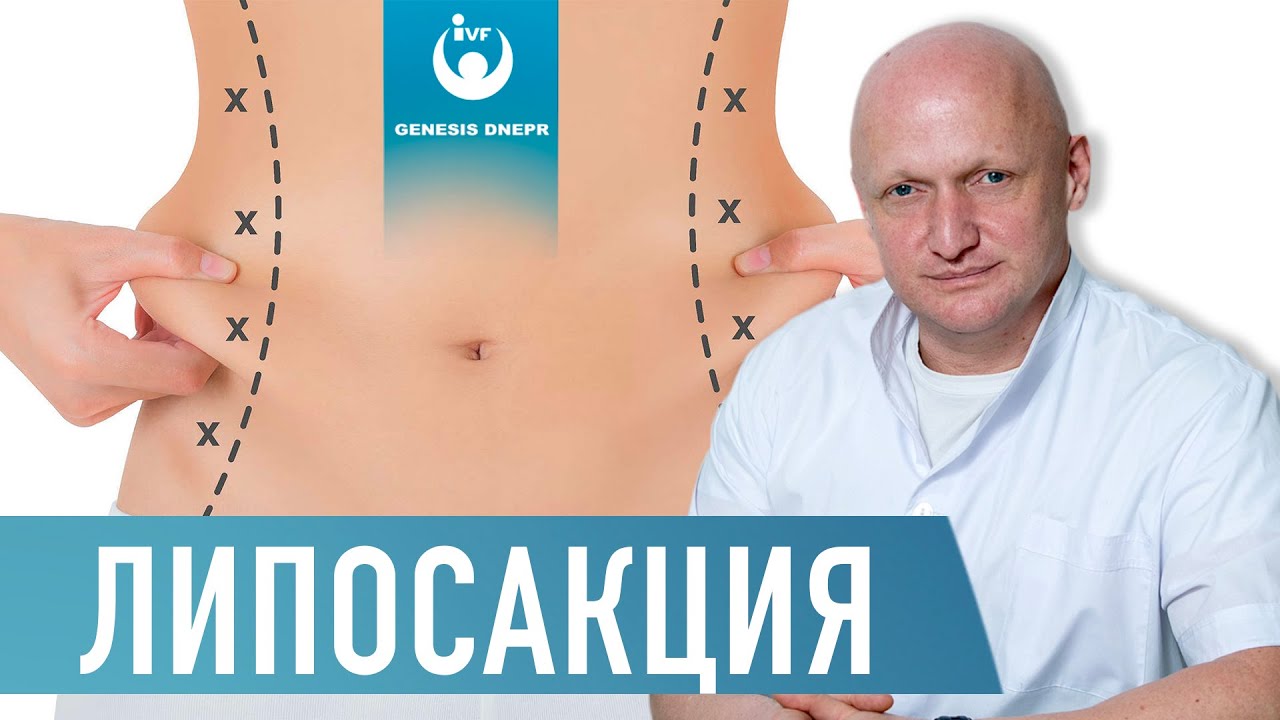
Liposuction is a cosmetic surgical procedure that removes excess fat from specific areas of the body. There are different types of liposuction techniques, including laser liposuction, vibroliposuction, and ultrasonic liposuction. Each method uses different technologies to break down and remove fat cells.
Bioidentical therapy, pellets, bioidentical hormones. Interview with Dr. Igor Perelygin.
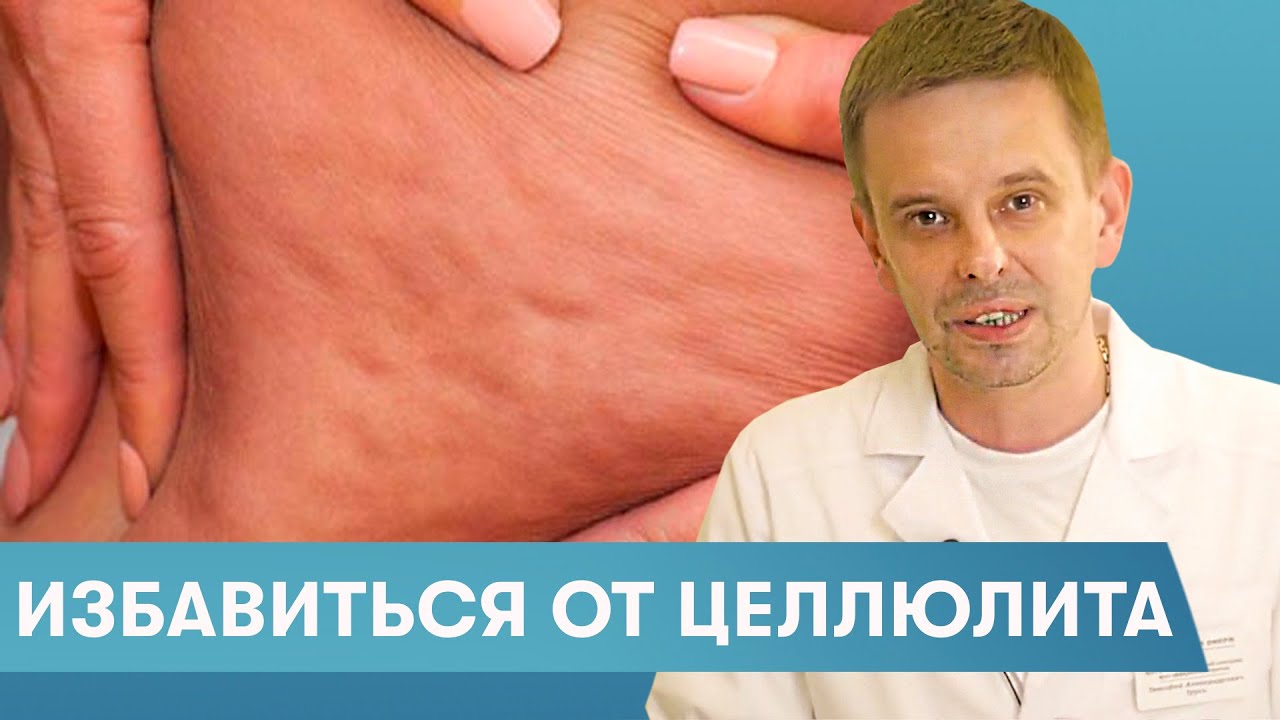
Get rid of fat folds and cellulite with the help of ozone (gravitational therapy).
Treatment of anal fissure. Proctology at "Genesis Dnipro". Proctologist Olga Ryabchinskaya.
Is the human papillomavirus (HPV) dangerous? Papilloma in women and cervical cancer. Gynecologist V.G. Kostenko.
Breast surgery, breast lift, and augmentation. Mammoplasty. Breast augmentation with implants, lipofilling.
Who is eligible for plasmapheresis (blood purification) from viruses and diseases? Genesis Dnepr Clinic.
Acute and chronic cystitis - what are the differences and how to get rid of them? Treatment of cystitis.
1. ЗАПИС ПО ТЕЛЕФОНУ:
+38(067) 544-68-28+38 0963701324
One of the important aspects of breast implant safety is preventing the risk of rupture or leakage of the implant's contents. Modern implants are highly durable and long-lasting, which reduces the likelihood of such issues. Additionally, manufacturers are required...
One of the important aspects of breast implant safety is preventing the risk of rupture or leakage of the implant's contents. Modern implants are highly durable and long-lasting, which reduces the likelihood of such issues. Additionally, manufacturers are required to provide warranties on their products, further ensuring their safety.
It is important to note that before getting breast implants, patients should consult with an experienced plastic surgeon who can help choose the most suitable type and size of implant. The doctor will also conduct a detailed discussion of the expected results and possible risks and side effects.
Although the risk of complications and side effects from breast implants is low, some may include reactions to the implant materials, infections, bleeding, capsular contracture, and changes in breast sensitivity. However, modern technologies and surgical methods help minimize these risks.
It is also important to note that breast implants require regular medical monitoring and, in some cases, replacement after a certain period. Patients should follow their doctor's recommendations and undergo regular check-ups to ensure the longevity and safety of their implants.
Overall, modern breast implants are safe and effective means of enhancing patients' appearance and well-being. However, before deciding on surgery, patients should consult an experienced doctor to receive all necessary recommendations and advice, as well as assess the potential risks and benefits of the procedure.
долгота: 35.0320729


