
Amniocentesis is an analysis of amniotic fluid.
The purpose of the procedure is to obtain a sample of amniotic fluid, which contains fetal cells. Based on the results of the amniotic fluid analysis, a doctor can determine the presence or absence of genetic disorders in the unborn child. The procedure is performed under general or local anesthesia, depending on the patient's choice.
Indications for amniocentesis:
- The woman's age is under 18 or over 35.
- A family hist...
Amniocentesis is an analysis of amniotic fluid.
The purpose of the procedure is to obtain a sample of amniotic fluid, which contains fetal cells. Based on the results of the amniotic fluid analysis, a doctor can determine the presence or absence of genetic disorders in the unborn child. The procedure is performed under general or local anesthesia, depending on the patient's choice.
Indications for amniocentesis:
- The woman's age is under 18 or over 35.
- A family history of a child (fetus) with a chromosomal disorder or multiple congenital anomalies.
- Parents have chromosomal abnormalities, chromosomal rearrangements, or gene mutations.
- Monogenic diseases previously diagnosed in the family or close relatives.
- Detection of shortened tubular bones of the fetus and markers characteristic of chromosomal disorders on ultrasound.
- Negative results from biochemical obstetric screening.
- The possibility of performing amniocentesis under medical sedation.
- The patient can use the clinic's day or 24-hour inpatient services.
- Amniocentesis is performed by Professor Potapov V.A. or leading specialists of the "Genesis Dnipro" clinic.

Argat Taras Grigorievich
Obstetrician-gynecologist of the 1st category, reproductive specialist. Head of the ART department. Member of the European Society of Human Reproduction and Embryology (ESHRE).
Assisted reproductive technologies, female infertility, general gynecology.

Sulima Elena Mikhailovna
Obstetrician-gynecologist of the highest category, chief physician of the maternity hospital "GENESIS DNIPRO"
OBSTETRICS: PREGNANCY CARE, CHILDBIRTH, CESAREAN SECTION, POSTPARTUM MANAGEMENT GENERAL GYNECOLOGY

Potapov Valentin Alexandrovich
Obstetrician-gynecologist, professor, Doctor of Medical Sciences, academician of the Academy of Sciences of the Higher School of Ukraine, honored worker of science and technology of Ukraine, head of the Department of Obstetrics and Gynecology at DGMU, chairman of the Dnipropetrovsk regional branch of the Association of Obstetricians and Gynecologists of Ukraine.
Surgery in obstetrics and gynecology, endocrine gynecology, reconstructive and restorative surgery in gynecology. Management of pregnancy with extragenital pathology.

Kostenko Vitaliy Grigoryevich
Obstetrician-gynecologist of the highest category.
OBSTETRICS: PREGNANCY CARE, CHILDBIRTH, CESAREAN SECTION GYNECOLOGY: DISEASES OF THE UTERUS AND ENDOMETRIUM, OVARIES, PREGNANCY TERMINATION MENSTRUAL CYCLE DISORDERS CYSTITIS

Fedoruk Natalya Sergeevna
Obstetrician-gynecologist.
OBSTETRICS AND GYNECOLOGY, PREGNANCY CARE, CHILDBIRTH, INTIMATE REJUVENATION, AESTHETIC GYNECOLOGY AND PRP THERAPY, INFERTILITY TREATMENT...

Chernomorets Svetlana Nikolaevna
Obstetrician-gynecologist of the highest category
OBSTETRICS AND GYNECOLOGY, PREGNANCY CARE, CHILDBIRTH, INTIMATE REJUVENATION, AESTHETIC GYNECOLOGY AND PRP THERAPY, INFERTILITY TREATMENT, PEDIATRIC GYNECOLOGY.












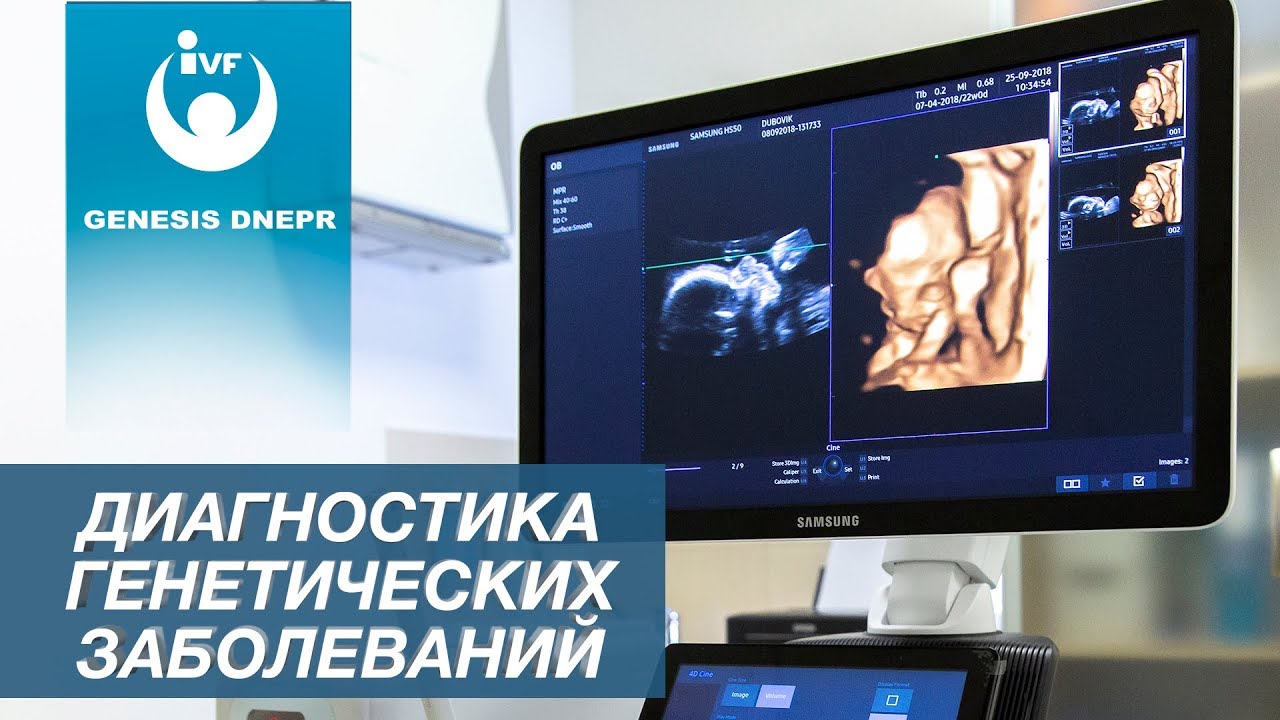
Diagnosis of Genetic Diseases in Future Children. Pregnancy and Childbirth. Professor V.A. Potapov.
The amniocentesis procedure is usually performed under ultrasound guidance to accurately determine the location of the fetus and the amniotic sac. The doctor uses an ultrasound scanner to monitor the needle during its insertion and the extraction of the amniotic fluid.
Before performing amniocentesis, an ultrasound examination is typically conducted to assess the gestational age and fetal structures, as well as to determine the best timing for the procedure.
During the procedure, the mother's abdomen is treated with an antiseptic, and then a thin needle is inserted under ultrasound guidance. When the needle reaches the amniotic sac, the doctor extracts a small amount of amniotic fluid using a syringe. The needle is then removed, and the amniotic fluid is sent for laboratory analysis.
After the procedure, it is recommended that the mother be monitored for several hours to ensure there are no complications or side effects. The doctor may also recommend limiting physical activity and resting for a few days following the amniocentesis.
Amniocentesis is an invasive procedure and carries certain risks, including the possibility of infection, bleeding, or premature labor. However, these risks are usually small, and the procedure is performed only when medically indicated.
Amniocentesis is an important method for diagnosing genetic and chromosomal abnormalities in the fetus. It can help identify potential health issues in the fetus and take necessary measures for treatment or monitoring of the pregnancy.
However, these risks are very low and occur rarely. Doctors always warn about potential risks and discuss them with patients before performing the procedure. A doctor may also recommend amniocentesis only if there is a high risk of genetic or chromosomal abnormalities.
Overall, amniocentesis is a safe procedure that can be useful for diagnosis and decision-making regarding treatment or monitoring of the fetus. However, each case is individual, and the decision to undergo amniocentesis should be made after thorough discussion with a doctor and assessment of the risks and benefits for the specific patient.

Pregnancy support/management at the GENESIS DNEPR clinic. What does "all-inclusive" mean?

Prenatal care in a private clinic - how it works. Tested by an obstetrician-gynecologist.

Birth with the Aroma of Coffee: How Private Maternity Hospitals Differ from Regular Ones. "Genesis Dnipro" Maternity Hospital

About Genesis Dnepr Clinic / Genesis Dnepr Clinic
Laser intimate plastic surgery without pain and operation. Treatment of the intimate area with CO2 laser MonaLisa Touch Deka.

Tummy Tuck. How to Achieve a Beautiful Abdomen? Laser Plastic Surgery. Abdominoplasty | Surgeon Shevtsov

Hemorrhoid and anal fissure treatment. Proctology at Genesis Dnepr Clinic. Olga Ryabchinskaya.

Breast surgery, breast lift, and breast augmentation. Mammoplasty. Breast augmentation with implants, lipofilling.

What is OZONE THERAPY? Application, indications, prevention, and treatment with ozone. Genesis Dnepr Clinic.
1. ЗАПИС ПО ТЕЛЕФОНУ:
+38(067) 544-68-282. ЗАПИСЬ ЧЕРЕЗ АНКЕТУ:
Анкета слугує для попереднього знайомства лікаря з медичною інформацією про Вас та дає можливість записатися на платну чи безкоштовну консультацію ...
The clinic's reception phone number is 0963701324.
If you haven't made a decision yet and want to come for a tour, call the clinic's PR manager, Elena Ponomareva, at 0982412246.
Genetic screening can be conducted at different stages of pregnancy. Early screening is usually performed in the first trimester and involves measuring the levels of certain proteins and hormones in the mother's blood, as well as an ultrasound to assess the thickness of t...
Genetic screening can be conducted at different stages of pregnancy. Early screening is usually performed in the first trimester and involves measuring the levels of certain proteins and hormones in the mother's blood, as well as an ultrasound to assess the thickness of the fetal nuchal fold. This data is used to calculate the probability of chromosomal abnormalities, such as Down syndrome.
Secondary screening can be conducted in the second trimester and includes analyzing the levels of certain proteins and hormones in the mother's blood, as well as an ultrasound to assess the structure of the fetus. This can help identify other genetic disorders, such as spinal muscular atrophy or genetic anomalies of organs.
Genetic screening is not a diagnostic test but can help identify women who have an increased risk of genetic disorders in the fetus. If a high risk is detected, a medical professional may recommend more accurate diagnostic tests, such as chorionic villus sampling or amniocentesis.
It is important to note that genetic screening is a voluntary procedure, and the decision to undergo it is made individually by each woman in consultation with a medical professional.
долгота: 35.0320729


