
1. Improving appearance: Aesthetic medicine and cosmetology help eliminate various flaws and imperfections in appearance, such as wrinkles, pigmentation, stretch marks, acne, and other skin problems.
2. Youth and rejuvenation: Aesthetic medicine and cosmetology offer procedures that help slow down the aging process, improve skin tone and elasticity, reduce the visibility of wrinkles, and tighten the facial contour.
3. Body conto...
1. Improving appearance: Aesthetic medicine and cosmetology help eliminate various flaws and imperfections in appearance, such as wrinkles, pigmentation, stretch marks, acne, and other skin problems.
2. Youth and rejuvenation: Aesthetic medicine and cosmetology offer procedures that help slow down the aging process, improve skin tone and elasticity, reduce the visibility of wrinkles, and tighten the facial contour.
3. Body contouring: With the help of aesthetic medicine and cosmetology, procedures can be performed to reduce body volume, correct body shape and contours, and improve skin condition.
4. Hair care: Aesthetic medicine and cosmetology offer various procedures for strengthening and restoring hair, preventing and treating hair loss, and improving their appearance.
5. Elimination of pigmentation and spots: Aesthetic medicine and cosmetology offer procedures that help reduce the visibility of pigment spots and skin irregularities, such as sun spots, age spots, or post-acne marks.
6. Boosting self-esteem and confidence: Aesthetic medicine and cosmetology can help people improve their appearance, which can lead to increased self-esteem, confidence, and an improved quality of life.
It is important to note that aesthetic medicine and cosmetology should be performed by experienced specialists using safe and effective methods and products. Consulting with a doctor before undergoing any procedures is also an important step to achieve the desired results and prevent possible complications.
- Painless and easily tolerable procedures, all performed under local anesthesia or during medicated sleep;
- Possibility of conducting consultations and working as a unified team;
- Modern immunohistological examination of removed tissues;
- Ability to perform multiple interventions simultaneously (e.g., liposuction + lipofilling + botulinum therapy + laser skin resurfacing);
- Four equipped operating rooms, e...
- Painless and easily tolerable procedures, all performed under local anesthesia or during medicated sleep;
- Possibility of conducting consultations and working as a unified team;
- Modern immunohistological examination of removed tissues;
- Ability to perform multiple interventions simultaneously (e.g., liposuction + lipofilling + botulinum therapy + laser skin resurfacing);
- Four equipped operating rooms, each specialized in certain operations;
- Use of modern treatment methods: classical surgery, radio wave, fractional CO2 laser, infrared coagulator, PDT treatment (photodynamic therapy);
- We use cordyceps, Milan cocktail, and biopellets for treatment effectiveness;
- The clinic is autonomous in terms of heat, water, and electricity supply.

Andreeva Irma Igorevna
Doctor of dermatologic surgery of the highest category, family doctor, cosmetologist, oncologist, trichologist, podologist. Founder of the first international school of cosmetologists in Ukraine. Bachelor of MBI. PreventAge specialist. Bachelor of the School of Nutritional Medicine.
Removal of skin neoplasms, skin oncology, general therapy, dermatoscopy, laser skin resurfacing, laser blepharoplasty, scar removal, injectable cosmetology, botulinum therapy, thread and filler placement, hair and nail treatment, hyperhidrosis treatment, photodynamic therapy.
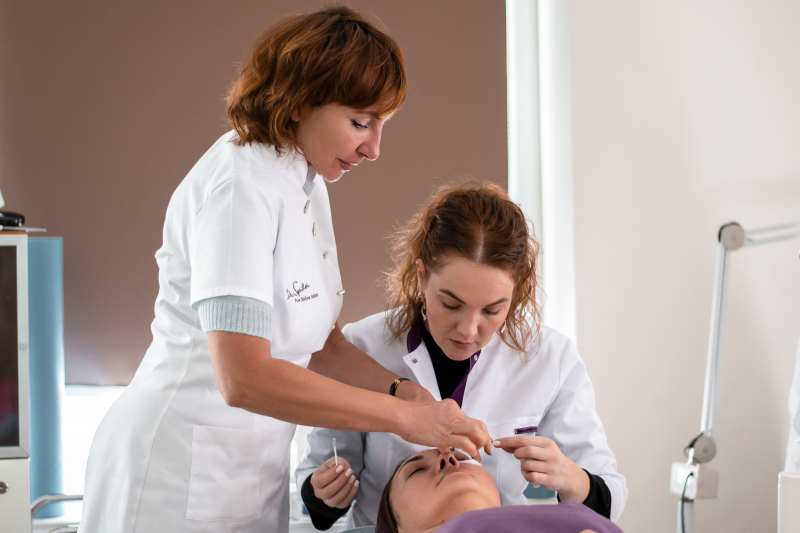
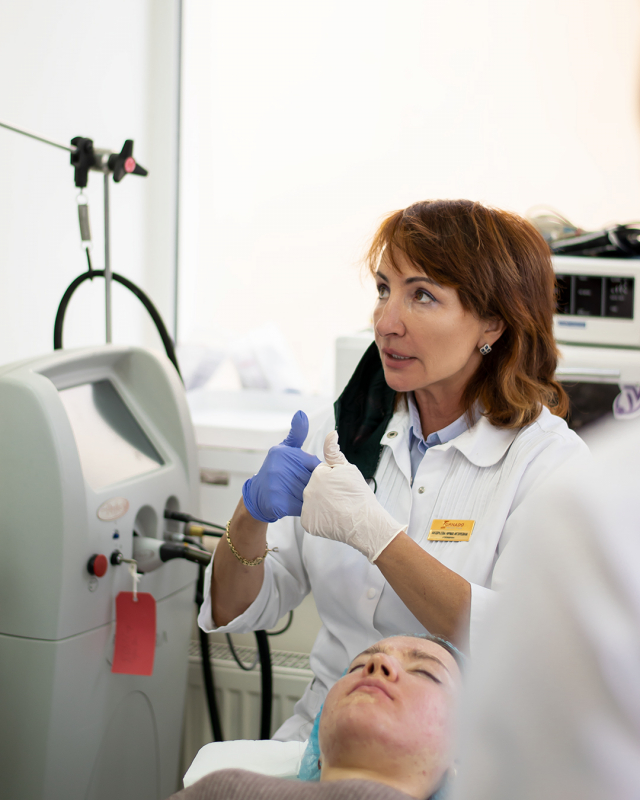
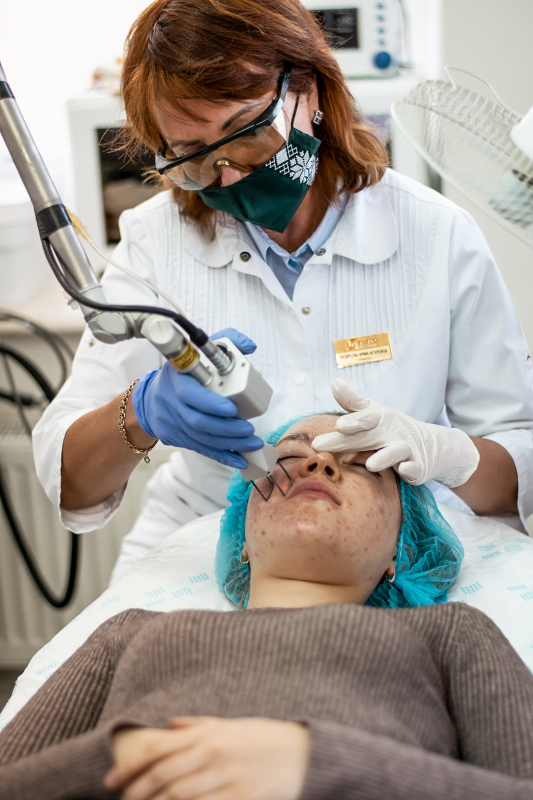
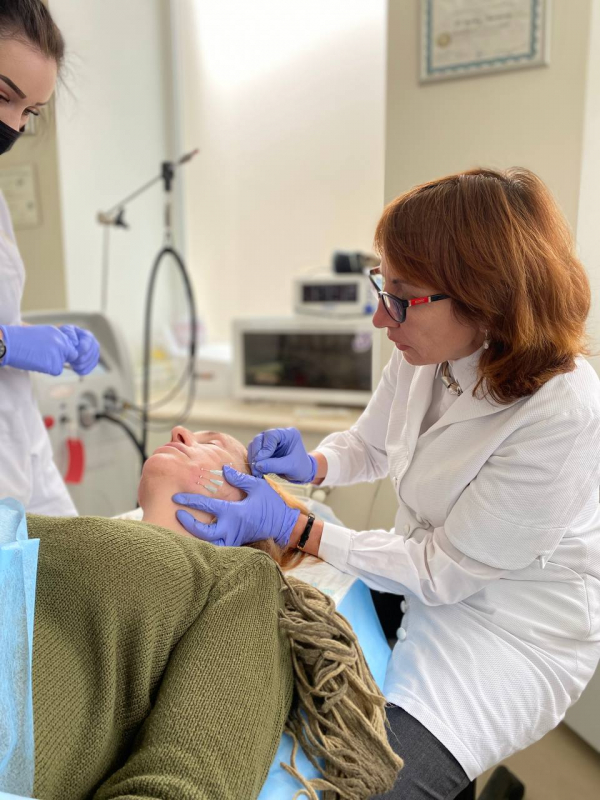
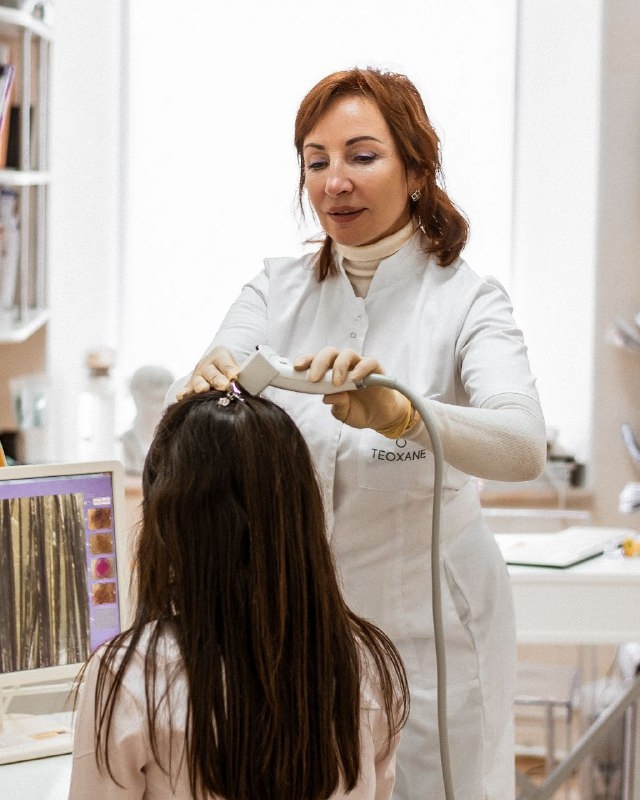
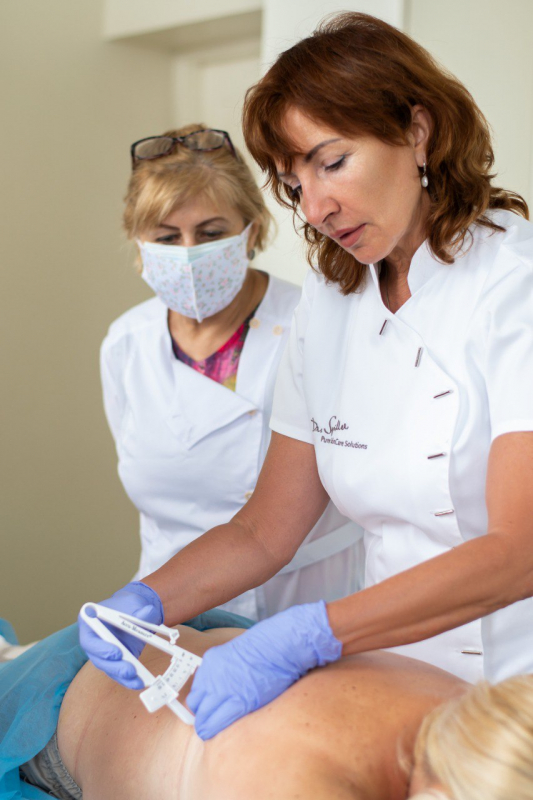
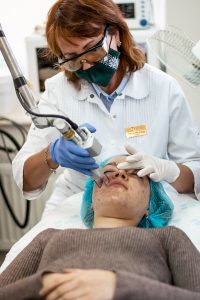
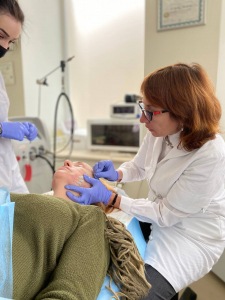
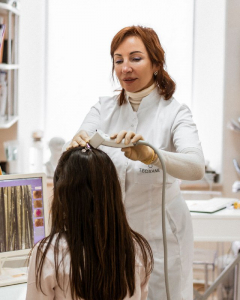
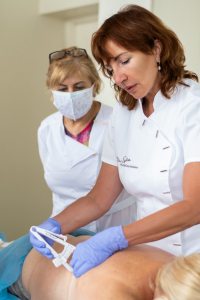
The mesotherapy procedure can be performed by a cosmetologist or another specialist with the appropriate qualifications. It can be carried out using various methods and tools, including manual injection with a needle, device-assisted injection using a special apparatus, or a combined method.
Mesotherapy can be used to address various skin issues such as wrinkles, pigmentation, acne, stretch marks, and more. It can also help strengthen hair, stimulate new hair growth, and improve hair condition. Additionally, mesotherapy can be used for volume reduction and cellulite elimination.
The mesotherapy procedure is usually conducted over several sessions, performed at specific intervals, depending on the particular issue and desired outcome. The doctor or specialist will determine the necessary number of sessions and their frequency based on the individual characteristics of the patient.
Before undergoing mesotherapy, it is necessary to have a consultation with a specialist who will assess the condition of the skin or hair and determine the appropriate preparations for the procedure. It is also important to inform the specialist of any allergic reactions or health issues.
Mesotherapy is generally a safe procedure, but some side effects are possible, such as redness, swelling, bruising, or slight pain at the injection site. These symptoms usually subside a few days after the procedure.
It is important to note that the results of mesotherapy can be individual and depend on many factors, including the condition of the skin or hair, the correctness of the procedure, and adherence to the specialist's recommendations. Therefore, it is recommended to consult an experienced and qualified specialist for mesotherapy.
Mesotherapy is an effective procedure for improving the condition of the skin and hair, as well as for body contouring. It can be performed using various methods and preparations. However, before undergoing mesotherapy, it is necessary to consult a specialist and choose the optimal approach to achieve the desired results.
1. Pharmacological treatment: Medications for treating acne and post-acne may include topical creams and gels containing retinoids, benzoyl peroxide, antibiotics, azelaic acid, and alpha hydroxy acids. For more severe forms of acne, systemic antibiotics, retinoids, and hormone-regulating drugs may be used.
2. Cosmetic procedures: Cosmetic procedures such as mechanical or chemical facial cleansing, peeling, laser therapy, and light therapy can help improve the skin condition in cases of acne and post-acne.
3. Diet: There is a connection between diet and acne, so improving one's diet may help reduce breakouts. It is recommended to avoid fatty and sugary foods and increase the intake of vegetables and fruits.
4. Skincare: Regular skin cleansing and the use of special skincare products, such as gentle cleansers and moisturizers, can help reduce inflammation and prevent new breakouts.
5. Prevention of post-acne: To prevent the appearance of post-acne, it is necessary to avoid squeezing breakouts, use sunscreen, avoid prolonged sun exposure, and maintain overall health. In case of post-acne, it is recommended to use products containing retinoids or alpha hydroxy acids.
Here are a few main reasons why people opt for injectable facial rejuvenation:
1. Wrinkle elimination: Injections of botulinum toxin, such as Botox, can help reduce expression lines on the forehead, between the eyebrows, and around the eyes.
2. Skin hydration: Injections of hyaluronic acid, such as Juvederm and Restylane, can help hydrate the skin and make it more elastic.
3. Improvement of facial contours: Some injections, like Sculptra, can help enhance facial contours and fill areas where the skin has lost volume.
4. Boosting self-esteem: Many people turn to injectable facial rejuvenation to improve their appearance and increase their confidence.
Injectable facial rejuvenation can have side effects, such as swelling, redness, and itching. Therefore, it is necessary to consult a qualified specialist and discuss all possible risks and side effects before the procedure.
Here are some main reasons why people turn to botulinum therapy:
1. Elimination of expression lines: Botulinum therapy can help reduce expression lines on the forehead, between the eyebrows, and around the eyes.
2. Prevention of wrinkle formation: Botulinum therapy can help prevent the appearance of new wrinkles.
3. Improvement of facial contours: Botulinum therapy can be used to enhance facial contours and tighten the skin in certain areas.
4. Treatment of hyperhidrosis: Botulinum therapy can help reduce sweating in areas such as the underarms, palms, and feet.
5. Treatment of migraines: Botulinum therapy can be used to treat migraines, especially if other treatment methods are ineffective.
Botulinum therapy may have side effects such as swelling, redness, and itching, and can cause temporary muscle weakness in the injection area. Therefore, it is necessary to consult a qualified specialist and discuss all possible risks and side effects before the procedure.
1. Wrinkle reduction: The laser can penetrate deep layers of the skin, where it stimulates the production of collagen and elastin, helping to smooth out wrinkles and improve skin texture.
2. Improved skin tone: The laser can help reduce pigmentation and spots on the skin, enhancing color and evenness of skin tone.
3. Scar reduction: The laser can help diminish the visibility of scars from acne and other skin damage.
4. Pore tightening: The laser can help tighten pores, making the skin smoother and more even.
5. Increased skin elasticity: Laser rejuvenation can stimulate the production of collagen and elastin, improving skin elasticity and tightening it in certain areas.
6. Reduced visibility of vascular networks: Laser rejuvenation can help reduce the visibility of vascular networks on the skin, which can be beneficial for those with rosacea or other vascular issues.
Laser rejuvenation may have side effects such as swelling, redness, and itching, and may require recovery time. Therefore, it is essential to consult a qualified specialist and discuss all possible risks and side effects before the procedure.
1. Antiperspirants: Antiperspirants containing aluminum can help reduce sweating. They can be used as a first-line treatment for hyperhidrosis.
2. Medication: Some medications, such as anticholinergic drugs, can help reduce sweating.
3. Botulinum therapy: Injections of botulinum toxin (also known as Botox) can help reduce sweating in areas such as the underarms, palms, and feet.
4. Surgical treatment: If other treatments do not work, surgical treatment may be necessary. One such procedure is endoscopic sympathectomy, which involves cutting the nerve responsible for sweating.
5. High-Intensity Focused Ultrasound (HIFU) therapy: This is a new method for treating hyperhidrosis that uses ultrasound waves to destroy sweat glands and reduce sweating.
It is important to discuss all possible treatment options for hyperhidrosis with a doctor and choose the most suitable option based on the severity of the condition and the individual characteristics of the patient.
1. Medicinal treatment: Medications such as finasteride and minoxidil can help improve hair growth and reduce hair loss.
2. Mesotherapy: This is a procedure where special mixtures of vitamins, minerals, and amino acids are injected into the scalp to improve hair condition and accelerate growth.
3. Platelet-rich plasma (PRP) therapy: This procedure involves drawing the patient's blood, which is then processed to obtain plasma rich in platelets. This plasma is then injected into the scalp to stimulate hair growth.
4. Hair transplantation: This is a surgical procedure where hair is taken from an area with denser growth and transplanted to areas with sparse or no hair growth. It can be an effective way to restore hair density in patients with baldness.
5. Use of special shampoos and hair products: Some shampoos and conditioners contain special ingredients, such as biotin, which can help improve hair growth and strengthen its structure.
It is important to discuss all possible treatment methods with a trichologist, depending on the type and cause of the hair problem. Effective treatment can only be achieved with the correct diagnosis and an individualized approach to each patient.
1. Chemical Peel: This is a procedure where a special solution is applied to the skin to help exfoliate the upper layers. It can improve skin texture and tone, reduce wrinkles, and diminish spots.
2. Mechanical Peel: This procedure involves applying a special product to the skin to help exfoliate the upper layers. It can improve skin texture and tone, reduce wrinkles, and diminish spots.
3. Ultrasonic Cleansing: This procedure involves applying a special product to the skin, followed by an ultrasonic head that helps remove impurities and excess sebum from the pores.
4. Laser Cleansing: This procedure involves applying a special product to the skin, followed by directing a laser beam to help remove impurities and excess sebum from the pores.
5. Skincare Treatments: These can include various procedures such as massages, application of masks and creams, moisturizing the skin, and other treatments that help improve skin condition and prevent aging.
Each procedure has its own benefits and can be used depending on the individual needs of the skin. It is important to discuss with a cosmetologist or dermatologist which procedures are most suitable for your skin and how often they should be performed.
During the thread lifting procedure, a doctor inserts threads under the skin using fine needles or cannulas. The threads can be of various shapes and materials, including polydioxanone (PDO) and polylactic acid (PLLA). Once the threads are inserted, they are secured in the desired position, which creates a skin lift.
Thread lifting can be used to lift and tighten the skin of the face, neck, eyebrows, cheeks, and chin, as well as to improve body contours such as the abdomen, buttocks, and thighs. It can help eliminate wrinkles, sagging skin, improve skin texture, and restore its youthful firmness.
The thread lifting procedure is usually performed by a cosmetic doctor or plastic surgeon. Local anesthesia may be used during the procedure to minimize discomfort. After the procedure, there may be some swelling, redness, or bruising, which typically resolves within a few days.
The results of thread lifting can be visible immediately after the procedure, but the final results become noticeable after a few weeks, once the inflammation subsides and the skin heals. The lifting and tightening effect can last up to 1-2 years, depending on the type of threads and the individual characteristics of the patient.
Thread lifting is a safe and effective procedure that can help restore the skin's youthfulness and firmness. However, it is important to consult with a doctor before undergoing the procedure to assess individual needs and potential risks.
The procedure for laser treatment of psoriasis involves the use of a special laser device that emits a focused beam of light at a specific wavelength. This light beam is directed at the affected areas of the skin, where it interacts with cells and tissues, triggering various physiological reactions.
Laser treatment for psoriasis can have the following effects:
1. Reduction of inflammation: Laser radiation can help reduce inflammation in the affected skin areas, which may lead to a decrease in redness, swelling, and itching.
2. Improvement of metabolism: Laser radiation can stimulate metabolic processes in skin cells, which may promote their recovery and healing.
3. Reduction of psoriatic plaques: Laser treatment can help decrease the size and number of psoriatic plaques on the skin, which can improve its appearance.
4. Improvement of quality of life: Laser treatment can help alleviate psoriasis symptoms such as itching, scaling, and soreness, which can significantly enhance the patient's quality of life.
A dermatologist will determine the most appropriate type of laser procedure and provide recommendations regarding its application in each specific case.
The most common methods for removing skin growths are:
- Laser therapy. This method involves using a laser beam to destroy the layer of skin where the growth is located.
- Surgical removal. This method involves removing the growth with a surgical instrument, such as a knife or scalpel.
- Cryotherapy. This method involves freezing the growth with liquid nitrogen, which leads to its death and peeling off from the skin.
- Chemical agents. Some chemicals can be used to remove growths by destroying them and causing them to peel off from the skin.
- Electrocautery. This method involves using an electric current to destroy the growth and stop bleeding.
Before choosing a method for removing a skin growth, a doctor should conduct a detailed examination and determine the safest and most effective method for the specific patient. After removal, it is necessary to follow the doctor's recommendations for skin care and avoid re-infection.
Regardless of the chosen method, it is important to remember preventive measures to prevent the appearance of new skin growths. This includes avoiding contact with infected skin and objects, as well as using protective measures when visiting public places.
If skin growths are detected, it is important to consult a doctor for professional advice and to choose the optimal removal method. This will help avoid possible complications and restore the skin to a healthy and attractive appearance.
The PDT procedure involves several stages:
1. Skin preparation. Before the procedure, the skin is cleansed and degreased.
2. Application of the photosensitizer. A special photosensitizer is applied to the skin, which is absorbed by the damaged skin cells.
3. Light exposure. Once the photosensitizer is absorbed, the skin is exposed to light radiation of a specific wavelength. This activates the photosensitizer, which begins to release oxygen radicals that destroy the damaged skin cells.
4. Exfoliation. After the procedure, the skin may peel, shedding the damaged cells and stimulating skin renewal.
Advantages of PDT:
- Safety. The procedure does not require surgical intervention and does not leave scars or marks on the skin.
- Effectiveness. PDT is effective in treating various skin conditions as it targets the root cause of their occurrence - damaged skin cells.
- Minimal recovery time. After the procedure, the skin recovers quickly, allowing the patient to return to normal life in a short period.
- Improvement of skin condition. The effect of light and the photosensitizer on the skin stimulates its renewal and improves its texture and color.
- Long-lasting effect. After several sessions of PDT, the results are maintained for an extended period.
However, before undergoing PDT, it is necessary to consult with a doctor to ensure that this procedure is suitable for your skin type and condition. It is also important to follow the doctor's recommendations for skin care after the procedure to avoid possible complications.
The procedure begins with drawing the patient's blood, from which platelet-rich plasma is extracted. The plasma is then specially processed to activate growth factors and other beneficial components. The resulting PRP plasma is then reintroduced into the patient's skin through injections or microneedles.
The rejuvenating properties of PRP are due to its ability to stimulate skin regeneration and recovery processes. Plasma contains a rich variety of growth factors that promote the formation of new collagen fibers, strengthen blood vessels, and reduce inflammation. This helps improve skin texture, reduce wrinkles, tighten pores, and enhance skin tone and elasticity.
Plasmolifting can also be effective in combating skin pigmentation, dark circles under the eyes, and dull complexion. The growth factors in PRP help boost the formation of new cells, contributing to a healthy and radiant skin appearance.
One of the advantages of plasmolifting is its minimal invasiveness and low risk of side effects. Since the procedure uses the patient's own blood, the risk of allergic reactions or rejection is minimal. Additionally, recovery after plasmolifting is usually quick, and the patient can return to daily activities almost immediately after the procedure.
To achieve the best results, several sessions of plasmolifting may be required over time. The intervals between procedures are determined by the doctor based on the individual needs of the patient.
However, before undergoing plasmolifting, it is recommended to consult with a qualified cosmetologist or aesthetic doctor. They can assess the skin condition, determine suitable treatment methods, and answer any questions related to the procedure.
Plasmolifting is a promising method for rejuvenating the skin of the face, neck, décolleté, and hands, which can help restore youthful skin and improve its appearance.
1. Creams and gels: There are many creams and gels on the market containing active ingredients such as vitamin E, aloe vera, and silicone, which help smooth scars and reduce their visibility. They are usually applied several times a day to cleansed skin.
2. Massage: Gentle massage of the affected area can help improve circulation and stretch the tissue, which contributes to reducing the size of the scar. Special oils or lotions that also nourish the skin can be used for massage.
3. Laser therapy: This procedure uses laser radiation to break down collagen fibers in the scar and stimulate the skin's natural healing. Laser therapy can be effective for scars of various types and sizes.
4. Chemical peels: This method removes the top layer of damaged skin, stimulating the growth of new cells. Chemical solutions, such as glycolic or salicylic acids, are applied to the skin, which helps reduce the visibility of scars and improve skin texture.
5. Surgical intervention: More serious scars may require surgical procedures, such as excision (removal of the scar) or reconstructive surgery. These methods can help improve the appearance and functionality of the scar area.
It is important to consult a qualified doctor or dermatologist to determine the best treatment option for each specific case. They can assess the type and extent of the damage and suggest the most appropriate treatment methods.
Dermatoscopy enables the doctor to more accurately assess pigmented lesions, moles, spots, and other changes on the skin. It is particularly useful for identifying and monitoring suspicious lesions that may be signs of skin cancer. Additionally, dermatoscopy can be used to diagnose various skin conditions such as eczema, psoriasis, and dermatitis.
The procedure is usually conducted by a dermatologist or oncologist. During the procedure, the patient may be asked to undress to their underwear or wear special medical clothing. The doctor will examine the skin using the dermatoscope, making notes and taking photographs for further observation.
Dermatoscopy is painless and does not require special preparation. However, it is important to inform the doctor of any previously noticed changes on the skin, as well as any health issues or allergic reactions before the procedure.
The results of dermatoscopy may be available immediately after the procedure or after analysis of the collected data. If the doctor detects suspicious changes, they may recommend a biopsy for further investigation.
Dermatoscopy is an important tool for the early diagnosis and monitoring of skin changes. It allows for the detection of potentially dangerous lesions and the timely initiation of treatment. Therefore, regular check-ups with a dermatologist and undergoing dermatoscopy can be crucial for maintaining skin health.
The use of fillers allows for immediate effects, does not require surgical intervention, and has a minimal recovery period. However, it is necessary to consult with a qualified specialist before the procedure, as improper use of fillers can lead to undesirable consequences.
Main advantages of fillers:
1. They allow for a natural and realistic result. Fillers create the effect of increased volume by filling in wrinkles and folds while maintaining the natural contours of the face.
2. They are safe. Fillers consist of natural or biocompatible components with the human body, minimizing the risk of allergic reactions and complications.
3. They do not require a long recovery period. After the procedure, the patient can return to their normal life immediately, without limiting their daily activities.
4. The results are long-lasting. Depending on the type of filler and the individual characteristics of the patient, the effect of the procedure can last from 6 months to 2 years.
5. Possibility of correction. If necessary, the result of the procedure can be adjusted or removed with a special enzymatic preparation.
Main areas of filler application:
1. Correction of wrinkles and folds on the face, including the forehead, lips, nasolabial folds, and other areas.
2. Lip volume enhancement and shape correction.
3. Contour correction of the face, such as lifting the cheekbones or chin.
4. Volume enhancement of the cheeks and chin.
5. Nose correction without surgical intervention.
6. Correction of hands, neck, and décolleté.
It is important to remember that the procedure of filler injection should only be performed by a qualified specialist using high-quality products. It is also necessary to follow all the doctor's recommendations after the procedure to achieve the best effect and prevent possible complications.
The use of fillers is an effective method for achieving youth and beauty of the face and body without surgical intervention. However, it is essential to thoroughly study all possible risks and consult with a qualified specialist before the procedure.
Main advantages of skin biorevitalization:
1. Improvement of skin structure and elasticity. Biorevitalization stimulates the synthesis of collagen and elastin, which improves the skin's tone and firmness.
2. Skin hydration. Hyaluronic acid, the main component of biorevitalization preparations, attracts and retains moisture in the skin, helping to combat dryness and flaking.
3. Reduction of wrinkles and giving the skin a radiant appearance. Biorevitalization helps fill in fine wrinkles and eliminate pigmentation, giving the skin a youthful and fresh look.
4. Safety. Biorevitalization preparations contain natural components, minimizing the risk of allergic reactions and complications.
5. No recovery period required. After the procedure, the patient can return to their normal life immediately, without limiting their daily activities.
6. Long-lasting effect. The results of biorevitalization can last up to 1 year, depending on the individual's characteristics.
Skin biorevitalization can be performed on various parts of the body, including the face, neck, décolleté, hands, and other areas. It can be used as a preventive measure to maintain the health and youthfulness of the skin, as well as a method to correct existing problems.
Main contraindications for skin biorevitalization:
1. Pregnancy and breastfeeding.
2. Acute infectious diseases.
3. Malignant tumors.
4. Allergy to the components of the preparations.
5. Skin damage in the area of the intended procedure.
It is important to remember that skin biorevitalization should only be performed by a qualified specialist using high-quality preparations. It is also necessary to follow all the doctor's recommendations after the procedure to achieve the best effect and prevent possible complications.
Skin biorevitalization is an effective method for improving the condition of the skin and maintaining its youth and beauty. However, before the procedure, it is necessary to carefully study all possible risks and consult with a qualified specialist.
Main advantages of facial contouring:
1. Correction of various defects. Facial contouring can be used to correct wrinkles, folds, nasolabial folds, deep grooves, and other defects that may be caused by aging, genetic factors, or other reasons.
2. Natural result. Fillers used in facial contouring contain hyaluronic acid, which is a natural component of the skin, making the result look very natural and not rejected by the body.
3. Quick and painless process. The facial contouring procedure usually takes no more than 30-40 minutes and does not require anesthesia. Most patients do not experience discomfort during the procedure.
4. No recovery period required. After the procedure, the patient can return to their normal life immediately, without limiting their daily activities.
5. Long-lasting effect. The results of facial contouring can last from 6 months to 2 years, depending on the individual's characteristics and the products used.
Facial contouring can be performed on various areas of the face, including the cheeks, chin, lips, nasolabial folds, and other zones. It can be used to create more expressive facial features and give the face a younger and fresher appearance.
Main contraindications for facial contouring:
1. Pregnancy and breastfeeding.
2. Acute infectious diseases.
3. Malignant tumors.
4. Allergy to the components of the products.
5. Skin damage in the area of the intended procedure.
It is important to remember that facial contouring should only be performed by a qualified specialist using high-quality products. It is also necessary to follow all the doctor's recommendations after the procedure to achieve the best effect and prevent possible complications.
Facial contouring is an effective method for correcting the shape and volume of the face. However, before the procedure, it is necessary to carefully study all possible risks and consult with a qualified specialist.

Bioidentical therapy, pellets, bioidentical hormones. Interview with Dr. Igor Perelygin.
Is the human papillomavirus (HPV) dangerous? Papilloma in women and cervical cancer. Gynecologist V.G. Kostenko.

Lipofilling | Liposculpture of the face, neck, hands, and entire body. Mario Goisis and Igor Perelygin.
Plasmapheresis (blood purification) for improving the condition of facial and body skin. Genesis Dnepr Clinic.
Itching in the Anus: Real Causes, Treatment, and Prevention. Proctologist O.V. Ryabchinskaya.
Guardian Connect - continuous glucose monitoring. Diagnosis and treatment of diabetes.
Urogynecology: Treatment of Urinary Incontinence. Obstetrician-Gynecologist, Professor Banakhevich R.M.
How to Survive a Stroke? Stroke Symptoms and What to Do? Everything About Stroke from a Neurologist
Urinary incontinence in women. Laser treatment without pain and surgery.
1. ЗАПИС ПО ТЕЛЕФОНУ:
+38(067) 544-68-282. ЗАПИСЬ ЧЕРЕЗ АНКЕТУ:
Анкета слугує для попереднього знайомства лікаря з медичною інформацією про Вас та дає можливість записатися на платну чи безкоштовну консультацію ...
+38 0963701324
Here are some of the main purposes of dermatoscopy:
1. Early detection of skin cancer: Dermatoscopy enables the detection of...
Here are some of the main purposes of dermatoscopy:
1. Early detection of skin cancer: Dermatoscopy enables the detection of early signs of malignant skin tumors, such as melanoma. By magnifying the image and examining the skin's structure in more detail, a doctor can identify changes that may not be visible to the naked eye.
2. Differential diagnosis: Dermatoscopy allows the doctor to more accurately determine the nature of skin changes and distinguish malignant tumors from benign ones. This helps provide more precise treatment and avoid unnecessary surgical interventions.
3. Monitoring changes: Dermatoscopy is used to monitor changes in skin formations, such as moles or pigmented nevi. Regular dermatoscopy allows the doctor to track the dynamics of changes and decide on the need for additional studies or treatment.
4. Assessing treatment effectiveness: Dermatoscopy can be used to evaluate the effectiveness of treatment for skin tumors, such as melanoma. By comparing images before and after treatment, the doctor can determine whether the size, shape, or structure of the tumor has changed, which helps assess the results of therapy.
Overall, dermatoscopy plays an important role in the diagnosis and monitoring of skin diseases, allowing doctors to conduct more accurate and timely interventions to prevent or treat skin cancer and other pathologies.
долгота: 35.0320729


