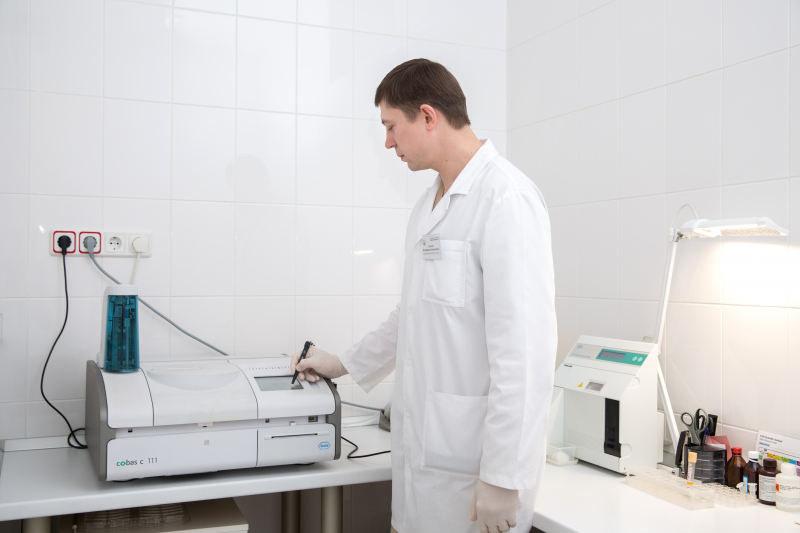
Hematology is a branch of medicine that deals with the diagnosis, treatment, and monitoring of diseases of the blood, bone marrow, and clotting system. Blood is one of the most sensitive systems in the body, and any disruption in its composition or function can affect overall well-being, immunity, the functioning of internal organs, and quality of life in general.
A hematologist is a specialist who can read blood tests beyond reference ranges, identify hidden processes, and find the cause of changes rather than just their consequences.
What does a hematologist do
A hematologist diagnoses and treats a wide range of conditions related to blood formation, blood composition, and hemostasis. These include:
anemias of various origins (iron deficiency, B12 deficiency, folate deficiency, hemolytic, aplastic);
blood clotting disorders (bleeding tendency, tendency to thrombosis, thrombophilia);
decreased or increased levels of leukocytes, platelets, and erythrocytes;
bone marrow diseases;
oncohematologic diseases (leukemias, lymphomas, multiple myeloma);
blood changes associated with infections, autoimmune diseases, and cancer;
hematologic complications after chemotherapy and radiation therapy;
unexplained changes in blood tests without a confirmed diagnosis.
Patients are very often referred to a hematologist by internists, gynecologists, endocrinologists, and oncologists, but many also make an appointment themselves after noticing abnormal test results or persistent symptoms.
When a hematologist consultation is needed
You should see a hematologist if you have any of the following:
chronic fatigue, weakness, dizziness;
pale skin, shortness of breath on exertion;
frequent bruising, bleeding gums, nosebleeds;
prolonged fever without an obvious cause;
enlarged lymph nodes;
weakened immunity, frequent infections;
abnormal complete blood count or biochemical blood test results;
preparation for surgery when clotting disorders are detected;
planning a pregnancy in the presence of anemia or thrombophilia.
It is important to understand that normal test values do not always mean there is no problem, just as minor deviations can be clinically significant. That is why a hematology consultation plays a key role.
What happens during a hematologist appointment
The appointment begins with a detailed conversation. The doctor asks about complaints, past illnesses, surgeries, medications, hereditary factors, and lifestyle. Great attention is paid to medical history and changes in test results over time, not to a single “right now” value.
Then the doctor:
reviews the available laboratory tests;
if necessary, orders additional blood tests;
determines the need for instrumental or puncture-based diagnostics;
creates an individual treatment or monitoring plan;
if needed, works together with doctors of other specialties.
In hematology, diagnostic accuracy, caution, and a step-by-step approach are especially important, so decisions are made only on the basis of objective data.
Diagnostics in hematology
Within hematology, the following may be used:
extended blood tests;
coagulation studies;
biochemical and immunological markers;
genetic tests (when indicated);
puncture-based diagnostic methods;
dynamic follow-up with parameter monitoring.
A modern laboratory base and cooperation with reliable laboratories make it possible to obtain accurate and reproducible results, which is especially important in complex and chronic conditions.
Individual approach and safety
Hematologic diseases require a delicate and personalized approach. In our clinic, hematologist consultations are based on the principles of evidence-based medicine, clinical experience, and respect for the patient. We do not order unnecessary tests and do not treat “lab results” — only the individual person with their symptoms and history.
If needed, the doctor provides long-term follow-up, monitoring treatment effectiveness and adjusting it as necessary.
Book an appointment
If you have changes in blood tests, long-lasting unexplained symptoms, or doubts about how to interpret the results, do not delay a hematology consultation. Early diagnosis can help prevent complications and preserve quality of life.
Book an appointment with a hematologist and receive a professional, balanced, and clear solution for your situation.
A hematologist is a specialist who can read blood tests beyond reference ranges, identify hidden processes, and find the cause of changes rather than just their consequences.
What does a hematologist do
A hematologist diagnoses and treats a wide range of conditions related to blood formation, blood composition, and hemostasis. These include:
anemias of various origins (iron deficiency, B12 deficiency, folate deficiency, hemolytic, aplastic);
blood clotting disorders (bleeding tendency, tendency to thrombosis, thrombophilia);
decreased or increased levels of leukocytes, platelets, and erythrocytes;
bone marrow diseases;
oncohematologic diseases (leukemias, lymphomas, multiple myeloma);
blood changes associated with infections, autoimmune diseases, and cancer;
hematologic complications after chemotherapy and radiation therapy;
unexplained changes in blood tests without a confirmed diagnosis.
Patients are very often referred to a hematologist by internists, gynecologists, endocrinologists, and oncologists, but many also make an appointment themselves after noticing abnormal test results or persistent symptoms.
When a hematologist consultation is needed
You should see a hematologist if you have any of the following:
chronic fatigue, weakness, dizziness;
pale skin, shortness of breath on exertion;
frequent bruising, bleeding gums, nosebleeds;
prolonged fever without an obvious cause;
enlarged lymph nodes;
weakened immunity, frequent infections;
abnormal complete blood count or biochemical blood test results;
preparation for surgery when clotting disorders are detected;
planning a pregnancy in the presence of anemia or thrombophilia.
It is important to understand that normal test values do not always mean there is no problem, just as minor deviations can be clinically significant. That is why a hematology consultation plays a key role.
What happens during a hematologist appointment
The appointment begins with a detailed conversation. The doctor asks about complaints, past illnesses, surgeries, medications, hereditary factors, and lifestyle. Great attention is paid to medical history and changes in test results over time, not to a single “right now” value.
Then the doctor:
reviews the available laboratory tests;
if necessary, orders additional blood tests;
determines the need for instrumental or puncture-based diagnostics;
creates an individual treatment or monitoring plan;
if needed, works together with doctors of other specialties.
In hematology, diagnostic accuracy, caution, and a step-by-step approach are especially important, so decisions are made only on the basis of objective data.
Diagnostics in hematology
Within hematology, the following may be used:
extended blood tests;
coagulation studies;
biochemical and immunological markers;
genetic tests (when indicated);
puncture-based diagnostic methods;
dynamic follow-up with parameter monitoring.
A modern laboratory base and cooperation with reliable laboratories make it possible to obtain accurate and reproducible results, which is especially important in complex and chronic conditions.
Individual approach and safety
Hematologic diseases require a delicate and personalized approach. In our clinic, hematologist consultations are based on the principles of evidence-based medicine, clinical experience, and respect for the patient. We do not order unnecessary tests and do not treat “lab results” — only the individual person with their symptoms and history.
If needed, the doctor provides long-term follow-up, monitoring treatment effectiveness and adjusting it as necessary.
Book an appointment
If you have changes in blood tests, long-lasting unexplained symptoms, or doubts about how to interpret the results, do not delay a hematology consultation. Early diagnosis can help prevent complications and preserve quality of life.
Book an appointment with a hematologist and receive a professional, balanced, and clear solution for your situation.