
Complete blood count
Complete blood count - why it is important
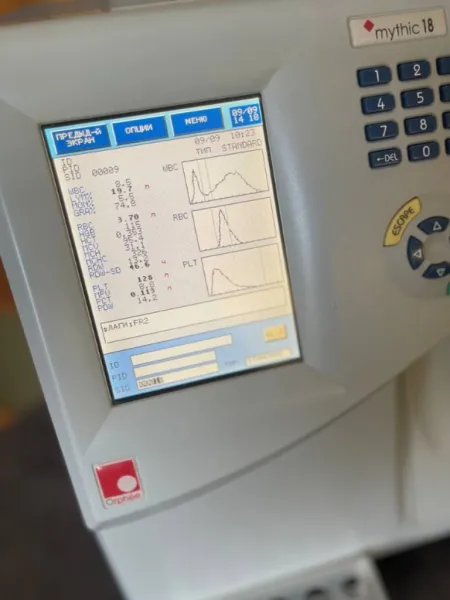
A complete blood count (CBC) is a basic laboratory test that helps a doctor gain a comprehensive understanding of the body's functioning. Its results can help suspect many diseases even before pronounced symptoms appear.
The test is conducted both during preventive check-ups and in the presence of any complaints such as weakness, fever, paleness, fatigue, inflammation, weight loss, etc.
🔬 What a complete blood count shows
A CBC includes the assessment of several key indicators:
Hemoglobin (Hb) – responsible for oxygen transport; a decrease indicates anemia.
Red blood cells (RBC) – blood cells that provide the transport of oxygen and carbon dioxide.
Hematocrit (Ht) – the ratio of cells to plasma; reflects blood density.
White blood cells (WBC) – indicators of immunity, increase during inflammation and infections.
Platelets (PLT) – responsible for blood clotting.
ESR (erythrocyte sedimentation rate) – an indicator of inflammatory processes.
Each of these parameters helps the doctor detect hidden changes and promptly prescribe treatment or additional examinations.
🧭 When a complete blood count is recommended
A CBC should be done:
for preventive monitoring (1–2 times a year);
before surgeries, vaccinations, or starting treatment;
if anemia, infection, or inflammation is suspected;
during pregnancy and chronic diseases.
Regular testing helps track the dynamics of the condition and the effectiveness of therapy.
⚙️ How the test is conducted
Blood is drawn from a finger or vein for the test. The procedure is quick and painless, requiring no complex preparation—just come fasting in the morning. Results are usually ready within one day.
💡 Advantages of testing at "Genesis Dnipro" clinic
Modern automated equipment
Minimal turnaround time
Quality control and accuracy of results
Opportunity for a doctor's consultation immediately after the test
A complete blood count is a simple yet indispensable tool for the early detection of many diseases. At the "Genesis Dnipro" clinic, you can have a CBC done quickly, comfortably, and with full confidence in the reliability of the results.
The test is conducted both during preventive check-ups and in the presence of any complaints such as weakness, fever, paleness, fatigue, inflammation, weight loss, etc.
🔬 What a complete blood count shows
A CBC includes the assessment of several key indicators:
Hemoglobin (Hb) – responsible for oxygen transport; a decrease indicates anemia.
Red blood cells (RBC) – blood cells that provide the transport of oxygen and carbon dioxide.
Hematocrit (Ht) – the ratio of cells to plasma; reflects blood density.
White blood cells (WBC) – indicators of immunity, increase during inflammation and infections.
Platelets (PLT) – responsible for blood clotting.
ESR (erythrocyte sedimentation rate) – an indicator of inflammatory processes.
Each of these parameters helps the doctor detect hidden changes and promptly prescribe treatment or additional examinations.
🧭 When a complete blood count is recommended
A CBC should be done:
for preventive monitoring (1–2 times a year);
before surgeries, vaccinations, or starting treatment;
if anemia, infection, or inflammation is suspected;
during pregnancy and chronic diseases.
Regular testing helps track the dynamics of the condition and the effectiveness of therapy.
⚙️ How the test is conducted
Blood is drawn from a finger or vein for the test. The procedure is quick and painless, requiring no complex preparation—just come fasting in the morning. Results are usually ready within one day.
💡 Advantages of testing at "Genesis Dnipro" clinic
Modern automated equipment
Minimal turnaround time
Quality control and accuracy of results
Opportunity for a doctor's consultation immediately after the test
A complete blood count is a simple yet indispensable tool for the early detection of many diseases. At the "Genesis Dnipro" clinic, you can have a CBC done quickly, comfortably, and with full confidence in the reliability of the results.


