
Информация о медицинских препаратах, размещенная на сайте, носит исключительно справочный характер и не является рекламой, публичной офертой, предложением к продаже или руководством к применению.
Использование медицинских препаратов допускается только по назначению врача. Консультации предоставляются специалистами клиники в очном или онлайн формате в установленном законом порядке.
Использование медицинских препаратов допускается только по назначению врача. Консультации предоставляются специалистами клиники в очном или онлайн формате в установленном законом порядке.
ДИАГНОСТИКА АЛЛЕРГИИ
Аллергические заболевания могут проявляться кожными высыпаниями, насморком, кашлем, слезотечением, отеками, нарушениями пищеварения и другими симптомами. Комплексный Check-up «Диагностика аллергии» помогает выявить причину аллергической реакции, определить возможные аллергены, оценить состояние иммунной системы и подобрать эффективную тактику лечения и профилактики.
950у.е.
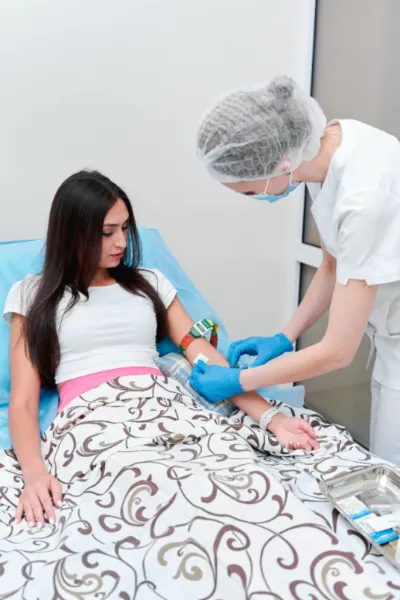
Диагностика аллергии (чек-ап) – точный способ выявить причины аллергических реакций и вернуть комфорт жизни
В наш АЛЛЕРГО-ЧЕКАП входит:
Лабораторные и инструментальные методы обследования
ALEX2-тест (молекулярный анализ на 295 аллергенов, антитела IgE)
Пищевая непереносимость.
FOX-тест (Food Xplorer, до 286 продуктов, антитела IgG)
Общий анализ крови с подсчётом лейкоформулы
Эозинофильный катионный белок (ЭКБ, ECP)
Консультации специалистов:
Консультация врача-терапевта
Врачебный консилиум с главным врачом (Перелыгин И.В.)
Медицинское сопровождение
___________________________________
Аллергия - одна из самых распространённых проблем современного человека. По статистике, от различных форм аллергических реакций страдает более 30 % населения, и эта цифра постоянно растёт. Аллергия может проявляться по-разному: от лёгкого зуда и насморка до тяжёлых кожных высыпаний, бронхоспазмов или анафилактического шока.
Главная сложность заключается в том, что симптомы часто маскируются под обычную простуду, кожные заболевания или пищевые расстройства. Без точной диагностики невозможно установить истинную причину реакции и подобрать эффективное лечение. Именно поэтому регулярный аллерго-чек-ап (комплексное обследование на аллергию) имеет решающее значение для здоровья и качества жизни.
Когда необходимо пройти обследование
Проверка на аллергию рекомендована, если вы отмечаете хотя бы один из следующих симптомов:
частый насморк, чихание, зуд в носу без видимых причин;
слезотечение, покраснение и отёк глаз;
кашель, затруднённое дыхание или бронхоспазмы;
кожные высыпания, зуд, покраснение или отёк;
боли в животе, вздутие, расстройства пищеварения после еды;
сезонное ухудшение самочувствия (весной, летом, осенью).
Также диагностика обязательна детям с атопическим дерматитом, пациентам с хроническими заболеваниями дыхательной системы и тем, у кого есть семейная предрасположенность к аллергии.
Почему аллерго-чек-ап так важен
✅ Позволяет точно определить причину аллергии, а не просто купировать симптомы.
✅ Помогает избежать тяжёлых реакций в будущем.
✅ Является основой для разработки персонализированного лечения.
✅ Улучшает качество жизни, снижая частоту и выраженность обострений.
Рекомендация: проходить аллерго-чек-ап рекомендуется 1 раз в год или чаще, если симптомы аллергии проявляются сезонно или усиливаются.
----------------------------------------------
Подготовка к аллерго-чек-апу
Правильная подготовка к обследованию позволяет получить наиболее достоверные результаты лабораторной диагностики и объективно оценить состояние иммунной системы.
Подготовка к лабораторным исследованиям
Кровь рекомендуется сдавать утром натощак после 8–12 часов ночного голодания.
Разрешается пить только чистую негазированную воду.
Питьевой режим
За 1–2 часа до сдачи крови рекомендуется выпить 1–2 стакана негазированной воды.
Алкоголь
За 48 часов до обследования полностью исключить употребление алкоголя.
Физические нагрузки
За сутки до обследования избегать интенсивных физических нагрузок, посещения сауны и бани.
Перед забором крови рекомендуется спокойно посидеть 10–15 минут.
Курение
Не курить минимум за 1–2 часа до сдачи крови.
Приём лекарственных препаратов
Антигистаминные препараты
Отменять антигистаминные препараты (лоратадин, цетиризин, левоцетиризин, дезлоратадин, фексофенадин и др.) не требуется. Они не влияют на результаты молекулярного теста ALEX2 и FOX-теста, поскольку исследования определяют антитела в крови, а не выраженность симптомов аллергии.
Гормональные препараты
Если вы принимаете системные глюкокортикостероиды, иммунодепрессанты или биологическую терапию, обязательно сообщите об этом врачу до проведения обследования.
Особенности проведения ALEX2-теста
Исследование можно выполнять в любое время года, независимо от сезона цветения растений.
Анализ можно сдавать как в период обострения аллергии, так и во время ремиссии.
Предварительная отмена аллерген-специфической иммунотерапии (АСИТ) обычно не требуется, однако о проводимом лечении необходимо сообщить врачу.
Особенности проведения FOX-теста (пищевая непереносимость)
Для получения максимально достоверного результата рекомендуется в течение 2–3 недель до обследования сохранять привычный рацион питания. Не следует специально исключать продукты, если это не связано с тяжелой аллергической реакцией или назначением врача.
Консультация врача
Перед консультацией терапевта рекомендуется подготовить:
- список жалоб и симптомов;
- информацию о времени появления аллергических реакций и возможных провоцирующих факторах;
- перечень принимаемых лекарственных препаратов;
- результаты предыдущих обследований (если они имеются).
Это поможет врачу более точно интерпретировать результаты обследования и разработать индивидуальный план дальнейшего лечения или профилактики.
В наш АЛЛЕРГО-ЧЕКАП входит:
Лабораторные и инструментальные методы обследования
ALEX2-тест (молекулярный анализ на 295 аллергенов, антитела IgE)
Пищевая непереносимость.
FOX-тест (Food Xplorer, до 286 продуктов, антитела IgG)
Общий анализ крови с подсчётом лейкоформулы
Эозинофильный катионный белок (ЭКБ, ECP)
Консультации специалистов:
Консультация врача-терапевта
Врачебный консилиум с главным врачом (Перелыгин И.В.)
Медицинское сопровождение
___________________________________
Аллергия - одна из самых распространённых проблем современного человека. По статистике, от различных форм аллергических реакций страдает более 30 % населения, и эта цифра постоянно растёт. Аллергия может проявляться по-разному: от лёгкого зуда и насморка до тяжёлых кожных высыпаний, бронхоспазмов или анафилактического шока.
Главная сложность заключается в том, что симптомы часто маскируются под обычную простуду, кожные заболевания или пищевые расстройства. Без точной диагностики невозможно установить истинную причину реакции и подобрать эффективное лечение. Именно поэтому регулярный аллерго-чек-ап (комплексное обследование на аллергию) имеет решающее значение для здоровья и качества жизни.
Когда необходимо пройти обследование
Проверка на аллергию рекомендована, если вы отмечаете хотя бы один из следующих симптомов:
частый насморк, чихание, зуд в носу без видимых причин;
слезотечение, покраснение и отёк глаз;
кашель, затруднённое дыхание или бронхоспазмы;
кожные высыпания, зуд, покраснение или отёк;
боли в животе, вздутие, расстройства пищеварения после еды;
сезонное ухудшение самочувствия (весной, летом, осенью).
Также диагностика обязательна детям с атопическим дерматитом, пациентам с хроническими заболеваниями дыхательной системы и тем, у кого есть семейная предрасположенность к аллергии.
Почему аллерго-чек-ап так важен
✅ Позволяет точно определить причину аллергии, а не просто купировать симптомы.
✅ Помогает избежать тяжёлых реакций в будущем.
✅ Является основой для разработки персонализированного лечения.
✅ Улучшает качество жизни, снижая частоту и выраженность обострений.
Рекомендация: проходить аллерго-чек-ап рекомендуется 1 раз в год или чаще, если симптомы аллергии проявляются сезонно или усиливаются.
----------------------------------------------
Подготовка к аллерго-чек-апу
Правильная подготовка к обследованию позволяет получить наиболее достоверные результаты лабораторной диагностики и объективно оценить состояние иммунной системы.
Подготовка к лабораторным исследованиям
Кровь рекомендуется сдавать утром натощак после 8–12 часов ночного голодания.
Разрешается пить только чистую негазированную воду.
Питьевой режим
За 1–2 часа до сдачи крови рекомендуется выпить 1–2 стакана негазированной воды.
Алкоголь
За 48 часов до обследования полностью исключить употребление алкоголя.
Физические нагрузки
За сутки до обследования избегать интенсивных физических нагрузок, посещения сауны и бани.
Перед забором крови рекомендуется спокойно посидеть 10–15 минут.
Курение
Не курить минимум за 1–2 часа до сдачи крови.
Приём лекарственных препаратов
Антигистаминные препараты
Отменять антигистаминные препараты (лоратадин, цетиризин, левоцетиризин, дезлоратадин, фексофенадин и др.) не требуется. Они не влияют на результаты молекулярного теста ALEX2 и FOX-теста, поскольку исследования определяют антитела в крови, а не выраженность симптомов аллергии.
Гормональные препараты
Если вы принимаете системные глюкокортикостероиды, иммунодепрессанты или биологическую терапию, обязательно сообщите об этом врачу до проведения обследования.
Особенности проведения ALEX2-теста
Исследование можно выполнять в любое время года, независимо от сезона цветения растений.
Анализ можно сдавать как в период обострения аллергии, так и во время ремиссии.
Предварительная отмена аллерген-специфической иммунотерапии (АСИТ) обычно не требуется, однако о проводимом лечении необходимо сообщить врачу.
Особенности проведения FOX-теста (пищевая непереносимость)
Для получения максимально достоверного результата рекомендуется в течение 2–3 недель до обследования сохранять привычный рацион питания. Не следует специально исключать продукты, если это не связано с тяжелой аллергической реакцией или назначением врача.
Консультация врача
Перед консультацией терапевта рекомендуется подготовить:
- список жалоб и симптомов;
- информацию о времени появления аллергических реакций и возможных провоцирующих факторах;
- перечень принимаемых лекарственных препаратов;
- результаты предыдущих обследований (если они имеются).
Это поможет врачу более точно интерпретировать результаты обследования и разработать индивидуальный план дальнейшего лечения или профилактики.


