
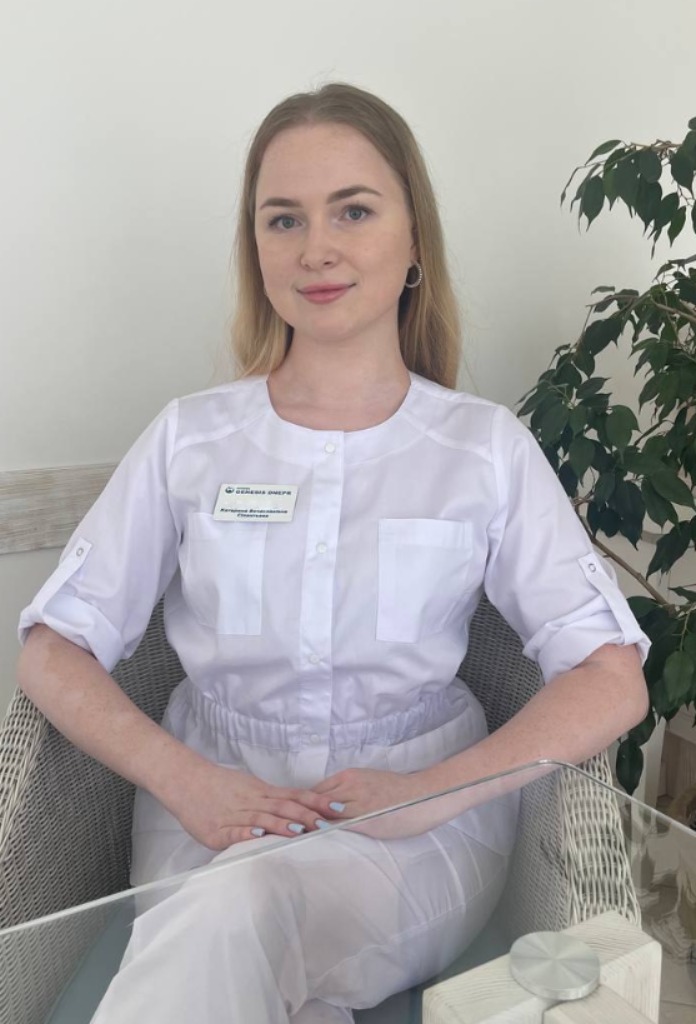
Patients often seek help with complaints of itching and discomfort in the intimate area, the appearance of redness or dryness, as well as recurrent symptoms and a lack of effect from self-treatment measures.
The doctor performs a thorough clinical assessment, reviews the complaints and medical history, and, if necessary, orders additional tests to clarify the condition.
The patient receives a clear and understandable action plan: what to do first, which examinations to undergo, and how to monitor changes in the condition over time.
Special attention is given to differential diagnosis, treatment adjustment, and prevention of flare-ups, which helps manage the disease in a timely manner and minimize risks.
Make an appointment
Please note that online consultations are available for patients from other cities. We often receive requests from Zaporizhzhia, Pavlohrad, Kamenskoye (Dniprodzerzhinsk), Novomoskovsk (Samar), Kryvyi Rih, Nikopol, Marganets, Sinelnikovo, Pokrov, Zhovti Vody, and other cities.
When to See a Doctor
If you are bothered by unpleasant sensations in the intimate area, changes in the skin, or other symptoms, it is important not to ignore them. With lichen sclerosus, it is important to understand the causes of the changes in a timely manner and choose the right follow-up and treatment. You should make an appointment with an obstetrician-gynecologist if, with lichen sclerosus, you notice:
- persistent itching or burning in the genital area
- dryness and flaking of the skin in the intimate area
- discomfort or pain during sexual intercourse
- a feeling of tightness or redness of the skin
- the appearance of patches or thickened areas on the skin of the genitals
- recurring or worsening symptoms over time
- symptoms that interfere with normal sleep or work
- no improvement with self-treatment or after the prescribed treatment
- new unpleasant sensations after stress or injury
- worsening of the condition after changing therapy or medications
- the need to clarify the diagnosis at the first signs of symptoms
- a follow-up visit if symptoms return or become more severe
Even if the symptoms seem minor, it is important to consult a doctor to assess your condition and choose the appropriate management approach. Early consultation helps prevent complications and select the best supportive measures. If anything causes you discomfort or concern, do not delay your visit — it will help protect your health and quality of life.
Emergency situations, or when you need to see a doctor urgently
- a sudden increase in pain or sharp discomfort in the intimate area
- the appearance of severe swelling, redness, or suppuration
- bleeding that does not stop or gets worse
- pain combined with a high fever and chills
- a sudden deterioration in overall well-being along with gynecological symptoms
If you have these symptoms, do not wait for a scheduled appointment — seek emergency medical care. Our clinic offers a doctor-on-call-at-home service for prompt response to acute conditions.
Causes and Risk Factors in Lichen Sclerosus
Understanding the possible causes and risk factors helps you better understand the condition and determine what examinations and measures may be needed. Lichen sclerosus can develop under the influence of different factors, so a comprehensive medical evaluation is important.
Main causes / mechanisms (briefly)
- disruption of the immune response, in which skin cells are damaged by the body itself
- chronic irritation or injury to the skin in the genital area
- hormonal changes affecting the condition of the mucous membranes and skin
- a genetic predisposition to inflammatory skin diseases
- metabolic disorders and vascular problems that impair tissue nutrition
Risk factors
- age, especially during periods of hormonal change (after 40)
- frequent injuries or irritation of the skin in the genital area
- the presence of chronic skin diseases or inflammation
- immune system dysfunction or autoimmune conditions
- prolonged stress and psychological tension
- smoking and other harmful habits that impair tissue regeneration
- poor hygiene or prolonged exposure to irritating substances
- concomitant endocrine disorders (for example, diabetes)
Reversible causes that should be ruled out
- infectious diseases that cause skin inflammation
- allergic reactions to hygiene products or medications
- trauma or irritation due to improper intimate-area care
- side effects of certain medications that affect the skin
Each case of lichen sclerosus requires careful examination and assessment of risk factors in order to choose the best plan for monitoring and supporting the condition.
Diagnosis
Diagnosis of sclerotic lichen is aimed at a thorough assessment of symptoms and identification of possible causes. This process helps the doctor create a preliminary treatment plan and determine what additional examinations may be needed.
Diagnostic approach
- taking a detailed medical history, including complaints, duration, and character of symptoms
- performing a careful examination of the intimate area to assess changes in the skin and mucous membranes
- ordering basic laboratory tests when indicated
- ultrasound examination of the pelvic organs if associated conditions are suspected
- additional examinations based on individual indications if clarification of the diagnosis is needed
- analyzing the results and developing a diagnostic and treatment plan
- discussing the next steps and follow-up recommendations with the patient
Typical tests when indicated
- skin biopsy to confirm the nature of the changes
- blood tests for autoimmune markers
- pelvic ultrasound to assess internal status
- microbiological tests if infection is suspected
- assessment of hormonal status when indicated
What to bring to the appointment
- results of previous examinations and tests, if any
- a list of medications and skincare products being used
- a description and diary of recent symptoms
- information about past illnesses and chronic conditions
Diagnosis of sclerotic lichen requires a comprehensive approach and careful evaluation of each case in order to choose the best monitoring and treatment.
Treatment
Treatment of lichen sclerosus is aimed at reducing symptoms and slowing disease progression. The treatment plan is selected individually, taking into account the features of the condition and any associated factors, which requires a doctor’s assessment.
Treatment goals
- reducing itching and discomfort in the intimate area
- improving the condition of the skin and mucous membranes
- preventing complications and flare-ups
- improving the patient’s quality of life
Main treatment approaches
- may include drug therapy to control inflammation and symptoms
- use of non-drug methods to support skin health
- adjustment of lifestyle and factors affecting the condition
- if necessary, individualized interventions according to indications
- treatment is always selected with consideration of the overall clinical picture and the latest data
What the doctor does
- selects and adjusts the treatment regimen based on examination results
- takes into account comorbidities and the patient’s specific characteristics
- monitors possible side effects of therapy
- explains the criteria for evaluating treatment effectiveness
- coordinates care with other specialists if needed
What to expect: plan and follow-up
- treatment effectiveness is assessed approximately after a certain period of time
- the doctor regularly monitors changes in the condition and symptoms
- the treatment plan is adjusted individually if necessary
- follow-up visits are important for monitoring and timely therapy adjustments
For more information about treatment options or to create an individualized plan, book a consultation with Dr. Ekaterina Vyacheslavovna Silantyeva.
Prevention
Prevention in sclerotic lichen helps reduce the risk of flare-ups and maintain comfort. The preventive plan is selected individually, taking health-specific characteristics into account.
Main primary prevention measures
- avoid trauma and irritation of the skin in the intimate area
- maintain hygiene using gentle and safe products
- manage stress and ensure emotional balance
- treat chronic and inflammatory conditions in a timely manner
- give up harmful habits, such as smoking
- support overall health and immunity through diet and lifestyle
Screening and secondary prevention / regular monitoring
- regular check-ups with an obstetrician-gynecologist as indicated
- monitoring the condition of the skin and mucous membranes in the at-risk area
- screening examinations if there are comorbid conditions
- discuss with your doctor whether additional tests and procedures are needed
Practical tips
- pay attention to the first symptoms and do not delay a visit to the doctor
- use skin-care products recommended by your doctor
- discuss any changes in your well-being or treatment with your doctor
- avoid prolonged contact with irritating substances
- maintain a rest and sleep routine, reducing strain on the body
Regular monitoring and adherence to preventive measures help better control the condition in sclerotic lichen.
Important to Know
Treatment of sclerosing lichen requires a careful approach aimed not only at relieving symptoms but also at identifying triggering factors. Early assessment makes it possible to choose an effective treatment strategy and reduce the risk of complications. In some cases, regular follow-up and adjustment of the treatment plan are necessary depending on changes in the condition. The course of the disease can be influenced by stress, sleep quality, physical activity level, and coexisting illnesses. Self-treatment may obscure the clinical picture, cause side effects, and delay seeing a doctor.
- it is important to identify the cause and triggering factors, not just relieve symptoms
- early consultation helps reduce the risk of progression and complications
- treatment requires ongoing monitoring and adjustment based on examination results
- general factors such as stress and chronic illnesses affect the course of the disease
- self-treatment can blur the clinical picture and delay the correct diagnosis
- an experienced doctor provides a thorough review of complaints and effective support throughout treatment
Detailed information about the causes, diagnosis, and treatment methods is available on our main page. If you have any questions or need monitoring of your condition, you should consult a specialist.
Self-help before the appointment: what to do and what to avoid
Before your visit with Dr. Ekaterina Vyacheslavovna Silantyeva, it is important to take safe measures to manage your condition and avoid actions that could distort the clinical picture. If your condition worsens or worrying symptoms appear, seek help without delay.
What you can do before the appointment
- note when and how the symptoms started, and what improves or worsens the condition
- bring a list of all medications and care products you are using
- keep a symptom diary: intensity, frequency, and possible triggers
- reduce physical activity and ensure rest for the intimate area
- use safe care products previously recommended by your doctor
- avoid using irritating or unsuitable hygiene products
- drink enough water to avoid dehydration
- follow personal hygiene rules using gentle, fragrance-free products
What you should not do before the appointment
- do not start using new medicines or ointments on your own without approval
- do not stop your regular medications without consulting your doctor
- do not use harsh or irritating substances to treat the skin
- do not try to diagnose yourself or look for treatment online
- do not ignore worsening symptoms or the appearance of new complaints
- do not combine several new products at the same time without medical advice
- do not use folk remedies without confirmation of their safety by a specialist
- do not postpone the doctor’s visit if your condition worsens or unusual symptoms appear
If urgent symptoms occur or your condition worsens significantly, seek immediate help from Dr. Ekaterina Vyacheslavovna Silantyeva.
How I can help as a doctor with lichen sclerosus
During a consultation for lichen sclerosus, I will help you understand the current situation and determine the best ways to support your health. This process includes a comprehensive assessment, a well-founded action plan, and careful follow-up. During a lichen sclerosus consultation, I can help you with the following:
- review your symptoms and medical history to identify possible causes and triggers
- assess the severity of changes and associated risk factors
- analyze your current treatments and how well you tolerate them, and adjust treatment if needed
- create a plan for next steps: tests, treatment, monitoring, and follow-up
- take into account coexisting conditions and prescribed medications to ensure safe and effective management
- give recommendations on daily routine and lifestyle based on your individual circumstances
- discuss monitoring criteria and when you should return for another appointment
- perform an initial evaluation and differential diagnosis of the causes of skin and mucosal changes
- adjust the treatment plan if the effect is insufficient or side effects occur
During the consultation, it is important to establish a dialogue that takes into account all aspects of your health and makes treatment as comfortable and timely as possible. This approach ensures not only symptom control, but also prevention of possible complications, which is important for maintaining quality of life.
What questions can you ask a doctor about scleroatrophic lichen?
At an appointment about scleroatrophic lichen, you can discuss the following with Ekaterina Vyacheslavovna Silantyeva:
- discomfort or itching in the intimate area
- dryness and redness of the skin
- pain or discomfort during sexual intercourse
- recurring or worsening symptoms
- no improvement after the prescribed treatment
- associated inflammation or skin irritation
- early signs of the condition and diagnostic options
- the need for a second opinion regarding examinations or treatment
If pain suddenly becomes severe, there is heavy bleeding, or you develop a high fever, you need urgent medical care — do not wait for a scheduled appointment.
Questions you can ask the doctor:
- What is happening to me, and what could it be?
- Why did the symptoms appear now?
- How can I tell whether it is related to my condition?
- Which examinations are needed in my case specifically?
- Which tests or investigations are mandatory, and which can be omitted?
- How should I prepare for the examinations and the appointment?
- What treatment options are available, and how do they differ?
- Can the condition be cured completely, or is it chronic?
- What should I do if the prescribed treatment does not help?
- Is it possible to manage without medications or procedures?
- How long will treatment last, and how often do I need follow-up visits?
- What signs show that the condition is getting better or worse?
- What should I do if the symptoms suddenly get worse or flare up?
If symptoms suddenly worsen or warning signs appear, it is important to seek urgent medical care immediately. For a detailed examination and to choose the right treatment approach, consult a specialist.
How the consultation takes place
A consultation with an obstetrician-gynecologist for lichen sclerosus is a detailed review of your symptoms, an assessment of your condition, and the creation of a plan for next steps. The scope of necessary examinations is determined individually, based on indications. It is important to understand that an accurate diagnosis is not always made in a single visit; however, the doctor will provide an initial assessment and recommendations.
- Clarifying your complaints and the purpose of the visit: the doctor will ask about the nature of the symptoms, when they began, associated factors, and your expectations from the consultation.
- Collecting your medical history and risk factors that may affect the condition, including comorbidities and lifestyle.
- Reviewing previous examinations and treatments, if any; it is recommended to bring all medical documents and a list of medications you are taking.
- Performing an examination and, if indicated, simple in-office tests to assess the condition of the skin and mucous membranes.
- Providing a preliminary conclusion, explaining possible causes of the symptoms and ruling out serious conditions.
- Planning additional examinations as indicated, which may include pelvic ultrasound, skin biopsy, blood tests, or microbiological tests.
- Creating an overall treatment and follow-up plan, taking into account your individual characteristics and preferences.
- Discussing follow-up timelines: when to return for a repeat visit, how to monitor your condition, and when to seek care if symptoms change.
If you are coming for the first time, the main focus is on clarifying the symptoms and identifying possible causes. If previous treatments have not been effective, the consultation will include an analysis of the reasons for the lack of response and an adjustment of the management plan.
Such a consultation makes it possible to gain a clear understanding of the condition and choose the best path for ongoing health support.
Preparing for Your Appointment
Proper preparation for your appointment with an obstetrician-gynecologist helps you get an accurate assessment of your condition more quickly and choose a treatment plan for lichen sclerosus. Follow this simple checklist to make the visit as effective as possible.
- bring a list of all current medications, including the names, dosages, and dosing schedule
- bring the results of any previous examinations, biopsy, ultrasound, or lab tests to the appointment (if available)
- write down your main symptoms, when they occur, and what makes the condition worse or relieves it
- do not stop taking prescribed medications without consulting your doctor
- follow any instructions about removing makeup or using intimate-care products (if applicable)
- if instructed, come on an empty stomach, without food or drink for 8–12 hours (if applicable)
- try to prepare a list of questions and concerns to discuss at the appointment
- bring copies of your medical records or information about previous treatment, if available
- check with the reception desk if there are any special preparation instructions or restrictions before the appointment
- avoid using new topical products before the consultation so as not to distort the clinical picture
If you are unsure how to prepare properly, it is best to уточнить the details by phone when booking your appointment. Do not change your medication regimen on your own without consulting your doctor.
About the Doctor
Ekaterina Vyacheslavovna Silantieva is an obstetrician-gynecologist with more than 10 years of experience. She helps patients with initial diagnosis and recurrent symptoms of scleroatrophic lichen, as well as with chronic cases and insufficient effect from previous treatment.
In her work, Ekaterina Vyacheslavovna pays close attention to differential diagnosis and monitoring the progression of the condition. She takes associated diseases into account and adjusts therapy when necessary.
During the consultation, you will receive a clear explanation of the situation and a plan for further steps to control and improve the condition.
Why Patients Choose Dr. Ekaterina Vyacheslavovna Silantyeva
When treating scleroatrophic lichen, Ekaterina Vyacheslavovna focuses on carefully identifying the underlying causes and thoroughly reviewing symptoms, which helps her choose the most appropriate treatment strategy. Her approach is distinguished by close attention to treatment effectiveness and timely adjustments when the response is insufficient. Patients value her clear explanations and step-by-step management, which helps avoid unnecessary tests and takes individual health characteristics into account. Unlike other doctors at the clinic, Ekaterina Vyacheslavovna pays special attention to comorbidities and drug interactions, ensuring safe and comfortable treatment.
- A clear treatment plan with distinct stages: what is being done now, what is being monitored, and when the follow-up visit will take place
- Tests are ordered only when indicated, without unnecessary examinations, saving the patient’s time and energy
- Consideration of concomitant conditions and medications for safe and effective therapy
- Monitoring of the condition’s progress with rapid adjustments to the plan if there is no effect or if side effects occur
- Review of previous prescriptions and medication tolerance to develop the most suitable treatment regimen
- Explanation of risks and alternatives in simple language so the patient understands the goals and possible changes
- Focus on preventing flare-ups and minimizing unpleasant symptoms in the future
- Experience in managing complex and chronic cases, with treatment approaches adapted to individual needs
This approach helps patients feel supported and reassured at every stage of therapy. The doctor not only helps address current problems, but also ensures safety and a clear understanding of the entire treatment process.
Case Studies
Initial consultation with itching and dryness
A middle-aged female patient presented with persistent itching and dryness in the genital area, which caused discomfort and disturbed sleep. It was important to rule out infectious and allergic causes, as well as assess the condition of the skin and mucous membranes. After a thorough examination and medical history review, a comprehensive diagnostic workup was prescribed, including further tests as indicated. Over the course of several weeks, the intensity of symptoms decreased and her overall condition improved. The patient continued follow-up with regular monitoring and care recommendations.
Treatment adjustment in the absence of effect
A young woman returned after a course of treatment with no improvement and recurring dryness and irritation. The physician reviewed the previous prescriptions in detail and assessed tolerability and possible side effects. The treatment plan was adjusted taking into account individual characteristics and associated factors. At the follow-up visit, partial improvement and reduced discomfort were noted. The patient was given recommendations for further follow-up and measures to prevent flare-ups.
Chronic course with comorbid conditions
An elderly female patient had a long history of lichen sclerosus symptoms, complicated by urogenital inflammation. At the initial appointment, it was important to consider the impact of comorbid conditions on the course of the disease. The physician developed a comprehensive management plan, including treatment adjustment and measures to reduce the risk of complications. During follow-up, the condition stabilized and the frequency of flare-ups decreased. The patient continued regular visits for monitoring and maintenance treatment.
Exacerbation and need for monitoring
A middle-aged woman presented with a marked worsening of symptoms and a decline in quality of life. The physician performed a prompt assessment, ruled out urgent conditions, and determined a strategy to control the flare-up. A follow-up plan with frequent visits was established to monitor progress. As a result of treatment, the condition gradually improved, and subsequent emphasis was placed on relapse prevention and strengthening overall health.
Second opinion and extended case review
The patient sought a second opinion after inconclusive results from previous examinations and ineffective treatment. The physician repeated the medical history review, analyzed the complaints and test results in detail, which helped clarify the likely causes of the symptoms. Based on this, a new diagnostic and treatment plan was formulated. During subsequent follow-up, improved disease control and reduced symptom severity were noted. The patient received recommendations for long-term maintenance of her condition.
How long does a consultation take?
A consultation usually lasts from 30 to 60 minutes; please confirm the time when booking.
How should I prepare for the appointment?
It is recommended to write down your symptoms, a list of medications, and any questions for the doctor.
What should I bring to the appointment?
Bring results of previous examinations, test results, scans, and a list of medications you are taking.
Do I need to come on an empty stomach?
Usually, fasting is not required unless you were given other instructions when booking.
How many visits are usually needed?
The number of visits depends on your condition and treatment plan; usually, several follow-up visits are needed for monitoring.
When should I expect the first results from treatment?
The first changes are assessed individually, depending on the therapy and your body’s response.
What should I do if my condition worsens before the appointment?
If your symptoms become more severe, contact a doctor; if there are any warning signs, do not delay seeking help.
Can treatment be combined with my current medications?
This is discussed during the appointment; do not change or stop any medications on your own.
Can I have a consultation online?
Yes, an online consultation is available for an initial assessment and recommendations.
Can I come with tests already done?
Yes, bring all results for a more accurate assessment of your condition.
Do I need to come again, and how often?
The frequency of follow-up visits depends on your response to treatment and your symptoms.
Can I get a second opinion?
Yes, if needed, the doctor is ready to discuss alternative options and help with an additional assessment.
What should I do if symptoms return after improvement?
Contact your doctor to adjust the treatment and assess the causes of recurrence.
What examinations are needed for lichen sclerosus et atrophicus?
The choice of examinations depends on the symptoms and medical history; the doctor will select them as indicated.
Can treatment be combined with other chronic conditions?
The doctor takes all coexisting conditions into account to ensure safe and effective treatment.
How long does treatment last?
The duration depends on the course of the disease and the response to therapy; it is determined individually.
What should I do if the treatment does not give the expected result?
Be sure to inform your doctor so they can analyze the situation and possibly adjust the treatment plan.
Do I need to change my lifestyle during treatment?
Lifestyle recommendations are discussed individually with the doctor during the appointment.


