
When consulting for heavy menstrual bleeding with clots, women often complain of heavy and prolonged bleeding, the passage of clots, reduced ability to work, or disruption of their usual daily routine.
The doctor performs a clinical assessment, carefully reviews the complaints and medical history, and, if necessary, orders the appropriate examinations to clarify the causes.
The patient receives a clear and accessible action plan: what to do now to relieve the condition, which tests to undergo, and how to monitor changes in menstrual patterns.
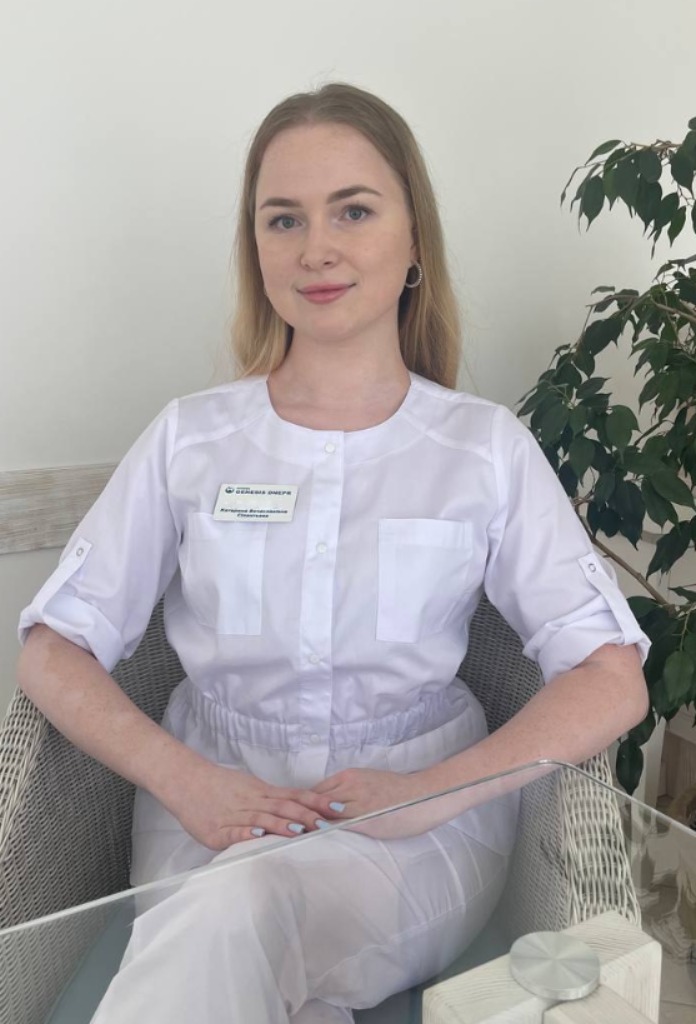
Ekaterina Vyacheslavovna Silantieva pays particular attention to differential diagnosis of the causes and to follow-up over time, helping patients manage their health competently.
Make an appointment
Please note that online consultations are available for patients from other cities. We often receive requests from Zaporizhzhia, Pavlohrad, Kamenskoye (Dniprodzerzhinsk), Novomoskovsk (Samar), Kryvyi Rih, Nikopol, Marganets, Sinelnikovo, Pokrov, Zhovti Vody, and other cities.
When to See a Doctor
Heavy menstrual bleeding with clots can cause discomfort and concern. It is important to see a specialist in time to understand the causes and choose the best way to support your health. Consulting a doctor is especially important if the symptoms interfere with your daily life or keep coming back. You should make an appointment with a gynecologist if, with heavy periods and clots, you notice:
- persistent excessive bleeding for several days
- large clots appearing in the menstrual blood
- increased pain or discomfort during menstruation
- occasional feelings of weakness or increased fatigue
- disruption of your usual menstrual cycle and irregular periods
- a decline in wellbeing that interferes with work or rest
- symptoms that repeat or become worse over several cycles
- no improvement after trying to manage the condition on your own
- a need to adjust treatment if previously prescribed therapy is not helping
- similar symptoms appearing for the first time, or symptoms causing anxiety
- worsening after stress or a change in lifestyle
- prolonged deterioration in overall wellbeing along with the symptoms
If you notice several of these signs, it is a reason to seek consultation. A doctor will help assess the situation and recommend the necessary tests without unnecessary risk. It is important not to delay your visit so that possible causes can be identified in time and proper monitoring can be provided.
Emergency conditions, or when you need to see a doctor urgently
- Sudden and heavy bleeding that does not stop
- A sharp deterioration in overall well-being, with signs of weakness and dizziness
- Severe lower abdominal pain combined with pronounced weakness
- A rapid increase in the number of blood clots and unexplained loss of consciousness
If you have these symptoms, do not wait for a scheduled appointment and seek emergency medical care. Our clinic offers a doctor-at-home service, allowing you to receive help quickly and comfortably.
Causes and Risk Factors in Heavy Periods with Clots
Heavy periods with clots can occur for various reasons, and it is important to identify them in order to choose the right treatment approach. This section will help you understand where the problem may originate and which factors influence its onset and progression. For an accurate assessment, a doctor’s consultation and appropriate examinations are necessary.
Main causes / mechanisms (brief)
- Hormonal imbalances affecting menstrual cycle regulation
- Abnormalities of the uterine lining leading to increased bleeding
- Technical aspects of blood clotting and clot formation
- Inflammatory processes in the pelvic organs
- The effect of medications, including anticoagulants
Risk factors
- Age over 35, when the likelihood of hormonal fluctuations increases
- Presence of chronic diseases of the reproductive system
- Frequent stress and sudden lifestyle changes
- Previous surgeries or gynecological procedures
- A family history of blood clotting disorders
- Excess or insufficient body weight
- Improper or untimely use of contraceptives
- Smoking and other harmful habits that affect the vascular system
Reversible causes that should be ruled out
- Infectious diseases that worsen the condition of the uterine lining
- Use of certain medications that may increase bleeding
- Stressful situations and sudden hormonal changes related to lifestyle
- Nutritional imbalances and a lack of important vitamins and trace elements
Heavy periods with clots require careful evaluation to identify possible causes. Accurate diagnosis and assessment of risk factors will help determine an effective plan for managing the condition.
Diagnosis
The diagnosis of heavy periods with clots is aimed at identifying possible causes and selecting the next steps in management. The doctor systematically evaluates the condition in order to create a plan for further tests and treatment, taking individual characteristics into account.
Diagnostic approach
- Collecting complaints and a detailed menstrual history
- Medical examination and assessment of overall health
- Ordering basic blood and urine tests to assess general condition
- Performing a pelvic ultrasound to visualize the condition of the uterus and ovaries
- If indicated, additional tests, such as a coagulation panel or hormone profile tests
- Discussing the results and developing a plan of next steps
Typical tests when indicated
These may include:
- Pelvic ultrasound
- Complete blood count and biochemical blood tests
- Blood clotting tests
- Hormone tests
- Swabs and cultures if inflammation is suspected
What to bring to the appointment
- Records of previous menstrual cycles or a symptom diary
- Results of any previously performed tests and examinations
- A list of medications and supplements you are taking
- Information about past illnesses and surgeries
Understanding the stages of diagnosis helps make the process feel calmer and makes it easier to know what to expect when seeking medical care.
Treatment
Treatment for heavy menstrual bleeding with clots is aimed at reducing symptoms and restoring normal functioning. The treatment plan is selected individually and depends on the specific causes, which require a doctor’s evaluation.
Goals of therapy
- Reduce the intensity and duration of menstrual bleeding
- Address possible underlying causes of the bleeding disorder
- Improve the patient’s overall well-being and quality of life
- Prevent complications and worsening of the condition
Main treatment approaches
- Medication as indicated to regulate the menstrual cycle and blood clotting
- Non-drug methods, including lifestyle and dietary recommendations
- Monitoring and adjustment of treatment in the presence of comorbid conditions
- If necessary, physiotherapy or minimally invasive procedures to address specific problems
- The treatment plan is always individualized based on examinations and the body’s response
What the doctor does
- Selects and adjusts therapy taking into account individual features and test results
- Considers comorbidities and possible risks
- Monitors the appearance and reduction of side effects
- Explains how the patient can assess the effectiveness of therapy
- Coordinates treatment with other specialists when needed
What to expect: plan and follow-up
- Assessment of effectiveness and changes is gradual, depending on the condition
- The doctor schedules follow-up visits to monitor and adjust the plan
- If there is no positive progress, the therapy is reviewed individually
- Special attention is paid to ongoing observation and timely treatment adjustment
To create an individualized treatment plan, please book a consultation with Dr. Ekaterina Vyacheslavovna Silantyeva.
Prevention
Prevention plays an important role in heavy periods with clots and helps reduce the risk of complications and recurrent problems. The preventive plan is selected individually, taking into account your health condition and your doctor’s recommendations.
Main primary prevention measures
- Monitoring and managing chronic conditions as indicated
- Avoiding stress and maintaining emotional balance
- Giving up harmful habits that affect blood clotting and blood vessels
- Maintaining a healthy weight within the normal range
- Regular preventive checkups with a gynecologist
Screening and secondary prevention / regular monitoring
- Ultrasound examination of the pelvic organs as indicated
- Monitoring hormone levels when necessary
- Regular tracking of the menstrual cycle and symptoms
- Discussing treatment adjustments and follow-up care with your doctor
Practical tips
- Discuss options for lifestyle and diet adjustments with your doctor
- Monitor how you feel and report any changes promptly
- Try to follow the recommended level of physical activity
- Do not stop prescribed treatment without consulting a specialist
- Schedule regular visits to the gynecologist to assess your condition
Preventive measures for heavy periods with clots help maintain health, but regular evaluation and adjustment of the plan with a doctor are important.
Important to Know
Heavy menstrual bleeding with clots is a condition that requires careful attention and evaluation by a doctor. Most often, it is a symptom rather than an independent diagnosis, so it is important to determine the underlying causes and consider all possible factors. Early consultation helps choose the optimal treatment strategy and reduce the risk of complications. In some cases, ongoing monitoring and adjustment of the treatment plan are necessary. At the same time, physical strain, stress, sleep quality, and existing comorbidities can influence the course of the condition.
- Identifying the cause of bleeding is more important than temporarily relieving the symptoms
- Early evaluation makes it possible to choose effective and safe treatment
- Follow-up over time is needed to adjust therapy in a timely manner
- Lifestyle factors and overall health affect symptoms and treatment outcomes
- Self-treatment can complicate diagnosis and cause unwanted side effects
- In the clinic, examinations are prescribed and a personalized treatment plan is developed
To better understand the specifics and the comprehensive approach, it is recommended to learn more about general information on menstrual disorders and methods of correcting them.
Self-care before the appointment: what you can and cannot do
Before your appointment for heavy menstrual bleeding with clots, it is important to follow safe recommendations so as not to harm yourself or distort the clinical picture. If your condition worsens, contact Dr. Ekaterina Vyacheslavovna Silantyeva immediately.
What you can do before the appointment
- Note when and how the symptoms began: the time, the nature of the bleeding, and any accompanying sensations
- Keep a symptom diary: record the intensity of the bleeding and the presence of clots
- Bring a list of all current medications and their dosages to the appointment
- Measure your temperature and pulse, if possible, to monitor your overall condition
- Reduce physical activity and rest to avoid increasing the bleeding
- Drink enough water to prevent dehydration
- Try to avoid stressful situations and get sufficient sleep
- Use regular pain relievers if they are safe for you and there are no contraindications
What not to do before the appointment
- Do not stop or change prescribed medications without consulting a doctor
- Do not start any new medications or drug combinations on your own
- Do not use folk remedies or unproven treatments without checking with a specialist
- Do not attempt intensive hemostatic treatment without a doctor’s recommendation
- Do not ignore worsening symptoms or the appearance of new warning signs
- Do not postpone your doctor’s visit if the bleeding becomes more intense
- Do not interpret test results or examination findings on your own
If signs of an emergency occur, seek help from Dr. Ekaterina Vyacheslavovna Silantyeva immediately.
How I can help as a doctor with heavy periods with clots
When you seek care for heavy periods with clots, it is important to get a comprehensive assessment and clear guidance on next steps. During the consultation, I will help you understand the possible causes, assess the risks, and determine the best plan for monitoring and treatment. This approach allows us to track changes over time and adjust therapy as needed.
During a consultation for heavy periods with clots, I can help you with the following:
- Review your symptoms and medical history to identify possible causes
- Assess how severe your symptoms are and identify risk factors
- Perform an initial evaluation using a differential diagnostic approach
- Review your current prescriptions and how well you tolerate treatment if you are already being treated
- Create an individualized plan for tests, treatment, and follow-up
- Take into account any other medical conditions and potential drug interactions when choosing treatment
- Provide recommendations on routine and lifestyle based on your condition and indications
- Discuss how to monitor progress and when to return for follow-up consultations
- Adjust the treatment plan if the response is insufficient or side effects occur
This comprehensive approach is aimed not only at temporarily relieving symptoms, but also at understanding the underlying causes, reducing risks, and supporting long-term health.
What questions can you ask a doctor about heavy periods with clots
At an appointment about heavy periods with clots, you can discuss the following questions with Ekaterina Vyacheslavovna Silantyeva:
- Heavy and prolonged bleeding with clots
- Frequent episodes of heavy menstrual bleeding that interfere with daily life
- Pain and discomfort during periods that affect how you feel
- Menstrual cycle disturbances and irregular bleeding
- Worsening of your overall condition due to significant blood loss
- No effect from previously prescribed treatment or the need for a second opinion
- Choosing safe methods to control and manage symptoms
If bleeding suddenly becomes heavier, pain is severe, or your overall condition worsens, urgent medical care is needed — do not wait for a scheduled appointment.
Questions you can ask during the appointment:
- What is happening to me, and what could it be?
- Why did the heavy periods with clots start now?
- How can I tell whether my symptoms are really related to heavy menstrual bleeding and not another condition?
- What examinations and tests are needed to assess my condition accurately?
- Which tests are essential, and which can be avoided?
- How should I prepare for the appointment and the examinations?
- What treatment or observation options are available in my case?
- Is it possible to get rid of the problem completely, or is this a chronic condition?
- What should I do if the prescribed treatment does not work?
- Are there ways to manage this without medication or surgery?
- How long does it usually take for symptoms to improve with treatment?
- How can I tell whether my condition is improving or getting worse?
- What should I do if my symptoms suddenly worsen or flare up?
This list will help you prepare for your consultation and discuss all important issues with your doctor. The doctor will assess your complaints, order the necessary tests, and develop a safe treatment plan with ongoing monitoring. If a medical emergency is suspected, the doctor will refer you to the appropriate specialists for timely care.
How the consultation takes place
A consultation with an obstetrician-gynecologist for heavy periods with clots is a detailed review of your complaints, an assessment of your current condition, and the creation of a plan for next steps. The scope of examinations is determined individually and depends on the indications, so it is not possible to prescribe all procedures right away. During one appointment, the doctor makes a preliminary assessment and explains what should be done next to clarify the condition.
- Clarifying your complaints and the purpose of the visit — the doctor will ask what is bothering you, how long the symptoms have been present, and what you expect from the consultation.
- Medical history taking — risk factors, menstrual cycle features, and other related issues are discussed.
- Review of previous treatment and examinations — if necessary, the doctor will ask you to bring test results and a list of medications you are taking.
- Examination and, if indicated, an ultrasound scan or other safe tests may be performed.
- Preliminary conclusion — the doctor will explain the possible causes and highlight the important conditions that need to be ruled out.
- Examination plan — may include pelvic ultrasound, general and biochemical blood tests, a hormonal profile, and other studies selected according to your symptoms.
- Discussion of treatment and management options, which are selected individually based on your condition.
- Discussion of follow-up, timing of repeat visits, and criteria for when you should seek medical attention sooner.
If this is your first visit for this problem, special attention is given to gathering information and identifying the causes. In cases where previous treatment has not been effective, the doctor will focus on reviewing the results and adjusting the further management plan.
Preparing for Your Appointment
Preparing for an appointment with an obstetrician-gynecologist for heavy periods with clots can help speed up the diagnosis and the start of a treatment plan. Following a few simple recommendations will make the consultation more effective.
- Bring a list of all current medications, including names and dosages if you know them
- Bring results of previous examinations: pelvic ultrasound, blood tests, hormone tests
- Write down your main complaints: when and how the symptoms start, and what makes the condition worse or better
- Do not stop taking prescribed medications without checking with your doctor
- Come on an empty stomach if you were instructed to do so; usually this means 8–12 hours without food or drinks, unless told otherwise
- Avoid using cosmetics, creams, or other products on the examination area if an exam is planned
- Prepare a list of questions and concerns you want to discuss at the appointment
- Bring documents confirming previous treatment and diagnostics (discharge summaries, scans, copies of test results)
- Drink water in moderation to avoid dehydration, if that is relevant to your condition
- If you are unsure about the preparation, clarify the details when booking or by phone
If you take medications regularly, do not change how you take them on your own before the consultation — this is important for your safety and for an accurate assessment of your condition.
About the Doctor
Ekaterina Vyacheslavovna Silantieva is an obstetrician-gynecologist with work experience who specializes in the prevention and diagnosis of diseases of the female reproductive system, including heavy periods with clots. She often works with patients during initial consultations, for recurring symptoms, chronic conditions, and when previous treatment has had no effect.
The doctor pays attention to differential diagnosis of the causes and to monitoring the condition over time. During the consultation, you will receive a detailed assessment of the situation and a clear plan for further steps to improve your condition and monitor changes.
Why patients choose Dr. Ekaterina Vyacheslavovna Silantyeva
When patients seek help for heavy menstrual bleeding with clots, it is important to take an approach focused on thorough diagnosis and individualized treatment tailored to each patient’s specific needs. Ekaterina Vyacheslavovna pays close attention to a detailed review of symptoms and medical history in order to identify the underlying causes and rule out complications. In her practice, she relies on the results of previous examinations and, when necessary, adjusts the treatment plan, taking into account coexisting conditions and medications.
At the appointment, the patient receives a clear, step-by-step action plan with regular monitoring of effectiveness. This systematic approach helps address complex cases and timely adjust the treatment strategy to improve the patient’s condition.
- A clear treatment plan with specific steps: what is done now, how it is monitored, and when the next visit will take place
- Examinations only when indicated, without unnecessary procedures, so as not to waste time or resources
- Consideration of accompanying diagnoses and medications to ensure treatment safety
- Monitoring of progress with plan adjustments if there is no improvement or if side effects occur
- Review of previous test results to make a well-founded decision
- Explanation of treatment goals and possible risks in simple, accessible language
- Management of patients with recurrent or difficult-to-treat symptoms
- Focus on preventing flare-ups and maintaining long-term control of the condition
This systematic and transparent approach sets Ekaterina Vyacheslavovna apart among specialists in this area. Patients value the opportunity to receive clear explanations and flexible support, while minimizing unnecessary examinations and inconvenience.
Case Studies
Initial consultation for heavy periods with clots
A middle-aged patient presented with complaints of heavy and prolonged bleeding with the passage of clots. It was important to rule out serious pathology and identify possible causes of the menstrual irregularity. A thorough evaluation was performed, including medical history review and pelvic ultrasound. Over time, a decrease in bleeding intensity and an improvement in well-being were noted. The patient continues to be followed up at regular visits to monitor her condition and adjust treatment as needed.
Treatment adjustment after lack of response to previous therapy
A young woman presented with complaints that heavy periods with clots were persisting despite previously started treatment. The physician carefully reviewed the current prescriptions and assessed tolerability. Based on the consultation, the diagnostic plan and treatment were adjusted taking individual characteristics into account. Partial improvement in symptoms was observed over the following weeks. Continued follow-up and further treatment adjustment if needed were recommended.
Chronic course with comorbid conditions
A middle-aged patient with a long history of menstrual irregularities and heavy periods in the setting of chronic inflammatory processes. It was important to take the interaction of these conditions into account to ensure safe management. A comprehensive diagnostic plan was developed and supportive treatment was prescribed. At subsequent visits, the patient’s condition stabilized and symptoms became less pronounced. Regular follow-up and monitoring of treatment effectiveness continue.
Symptom flare-up and development of a prevention plan
A woman presented with a sudden worsening of heavy periods and an increase in clots, accompanied by a decline in overall well-being. An assessment of the situation and exclusion of complications were required. Based on the initial evaluation, an emergency management plan and recommendations for preventing recurrences were developed. During follow-up, the patient’s condition gradually improved, while ongoing monitoring is maintained to prevent further flare-ups.
Second opinion and review of a complex case
A patient with a complex history of heavy periods and inconclusive test results sought a second opinion. The physician re-reviewed the symptoms, analyzed previous test results, and clarified additional factors. A detailed plan for further diagnostics and management options was presented. The patient reports positive progress at follow-up visits, with the possibility of treatment adjustment if necessary.
How long does the consultation take?
A consultation usually takes 30–60 minutes; please уточняйте the duration when booking.
How should I prepare for the appointment?
It is helpful to write down your symptoms, bring a list of medications, and any results from previous examinations.
What should I bring to the consultation?
Please bring your test results, scans/images, medical records, and a list of medications you are taking.
Do I need to come on an empty stomach?
Usually, fasting is not required unless the doctor says otherwise.
How many visits are usually required?
The number of visits depends on the situation, but usually several are needed for evaluation and follow-up.
When should I expect the first results from treatment?
The first changes are individual and depend on the chosen treatment approach.
What should I do if my condition worsens before the appointment?
If your condition worsens and you have concerning symptoms, seek urgent medical care and do not self-medicate.
Can treatment be combined with my current medications?
This should be discussed during the appointment; do not change your medications on your own.
Can I have an online consultation?
Yes, an online consultation is available by prior appointment.
Can I come with tests that have already been done?
Yes, please bring all current test results and examination findings.
Do I need to come back for follow-up, and how often?
Follow-up visits are scheduled individually to monitor progress and adjust treatment.
Can I get a second opinion from the doctor?
Yes, you can seek a second opinion to clarify the diagnosis or treatment.
What should I do if symptoms return after improvement?
Contact your doctor to assess the situation and adjust the treatment plan.
What examinations are needed for heavy periods with clots?
The list of examinations is determined individually, depending on symptoms and your condition.
Can I exercise during treatment?
It is recommended to discuss your activity level with the doctor so as not to worsen your condition.
How long does a full course of treatment take?
The duration depends on the cause and the effectiveness of therapy and is clarified during consultations.
Can I take herbal or folk remedies alongside treatment?
It is not recommended to use folk remedies without consulting your doctor.
How often should test results be checked?
The frequency of checks is determined by the doctor depending on the treatment plan.
Can I stop the prescribed medications on my own?
Do not stop taking your medications without consulting your doctor; this is important for your safety.


