

Key points
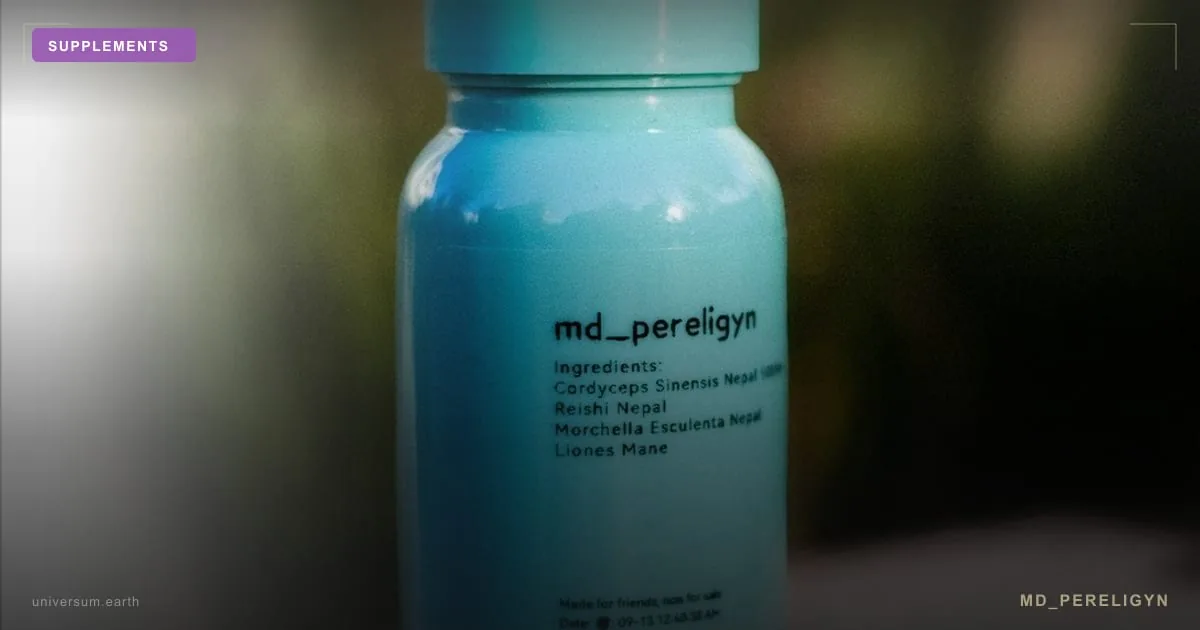
Reishi, Lion's Mane and Cordyceps are medicinal mushrooms with studies in humans; their main compounds are beta-glucans, Reishi triterpenoids, Lion's Mane hericenones and erinacines, and Cordyceps cordycepin. The table shows how each one helps.
| For what | How it helps | What studies in humans showed |
|---|---|---|
| Immunity — Reishi | beta-glucans are modulators: they enhance a weakened immune response and dampen an excessive one | Cochrane meta-analysis (2016), 5 RCTs, 373 patients: Reishi extract as an add-on to cancer treatment increased CD3+, CD4+, CD8+ lymphocytes and NK cells |
| Fatigue — Reishi | less tiredness, better well-being | RCT (Journal of Medicinal Food, 2005, PMID: 15857210), 132 patients with neurasthenia: 1800 mg of Reishi polysaccharide extract 3 times daily for 8 weeks reduced fatigue and improved well-being |
| Memory and thinking — Lion's Mane | hericenones and erinacines stimulate nerve growth factor (NGF) synthesis | double-blind placebo-controlled RCT (Phytotherapy Research, 2009), 30 patients with mild cognitive impairment: 3000 mg of powder daily for 16 weeks significantly improved cognitive scores on the HDS-R scale |
| Mood — Lion's Mane | acts on mood faster than on memory: within 4 weeks | RCT (Biomedical Research, 2010), 30 peri- and menopausal women, about 2 g of fruiting-body powder daily for 4 weeks: depression (CES-D) and indefinite complaints (ICI) scores fell from baseline, two ICI subscales were lower than on placebo |
| Endurance — Cordyceps in a mushroom blend | higher maximal oxygen uptake (VO2max) | randomized study (Journal of Dietary Supplements, 2017, PMID: 27408987): 4 g daily of a mushroom blend with C. militaris for 3 weeks raised VO2max by 10.9% in 10 healthy volunteers |
How it helps
The fungal kingdom (Fungi) is a distinct branch of life, evolutionarily closer to animals than to plants. Medicinal mushrooms have been used in Traditional Chinese Medicine (TCM) and Ayurveda for millennia. A review in the International Journal of Molecular Sciences (2019) identified over 130 medicinal functions attributed to various mushroom species, including immunomodulation, antitumor activity, neuroprotection, and antioxidant effects.
Key bioactive groups include: beta-glucans (cell wall polysaccharides), triterpenoids (ganoderic acids in Reishi), phenolic compounds, ergosterol, and species-specific neuroactive substances.
Beta-glucans: training innate immunity
Beta-glucans are polysaccharides with β-(1→3) and β-(1→6) glycosidic bonds — the primary pharmacologically active component of mushroom cell walls. Crucially, they are not direct immune stimulants but modulators: they enhance weakened immune responses and dampen excessive ones.
Mechanism of action: beta-glucans bind to the Dectin-1 receptor on macrophages and dendritic cells, activating innate immunity via the Syk/CARD9/NF-κB signaling cascade. Simultaneously, they stimulate IL-10 production (an anti-inflammatory cytokine), preventing excessive inflammatory reactions. Research published in Nature Reviews Immunology (2011) described beta-glucans as "training agents" for innate immunity — a concept known as trained immunity.
Activity is determined not by the total "polysaccharide content" but by the structure of the beta-glucans. The ligand for Dectin-1 is a β-(1→3)-D-glucan backbone with β-(1→6) side branches; optimal activation of Syk/CARD9 signaling is seen at a degree of branching of about 0.2–0.33 and a molecular weight of 100–200 kDa. Short fragments <10 kDa lose affinity for Dectin-1, and α-glucans (amylose, amylopectin from cereals) are not recognized by the receptor at all.
High-molecular-weight beta-glucans (>100 kDa) are not absorbed in the gut as intact molecules — they are fragmented by the colonic microbiota and taken up by the M cells of Peyer's patches. This explains the delayed immunological effect (2–4 weeks) and the dependence of the response on the state of the microbiome.
Reishi (Ganoderma lucidum): immunity and energy
Reishi is one of the most extensively studied medicinal mushrooms. Known as "Ling Zhi" in Traditional Chinese Medicine, its major bioactive compounds include polysaccharides (beta-glucans), triterpenoids (over 150 ganoderic acids), and peptidoglycans.
Immunomodulation. A meta-analysis in the Cochrane Database of Systematic Reviews (2016), including 5 RCTs with 373 patients, found that Reishi extract as adjuvant therapy in cancer patients enhanced overall immune response: increased CD3+, CD4+, CD8+ lymphocytes and NK cells.
Anti-fatigue effects. In an RCT (Journal of Medicinal Food, 2005, PMID: 15857210) in 132 patients with neurasthenia, 1800 mg of Reishi polysaccharide extract 3 times daily for 8 weeks reduced fatigue and improved well-being. Reishi can be used as an add-on for fatigue and sleep disturbance.
Lion's Mane (Hericium erinaceus): memory, nerves and mood
Hericium erinaceus stands out among medicinal mushrooms because it contains compounds with neurotrophic activity: hericenones and erinacines. These substances stimulate the synthesis of nerve growth factor (NGF) — a key neurotrophin essential for the growth, survival, and regeneration of neurons.
Cognitive function. A double-blind, placebo-controlled RCT published in Phytotherapy Research (2009) enrolled 30 patients with mild cognitive impairment (MCI). Supplementation with 3000 mg of Hericium erinaceus powder daily for 16 weeks significantly improved cognitive scores on the HDS-R scale (p < 0.05).
Mood. In the RCT by Nagano et al. (Biomedical Research 2010, PMID: 20834180), 30 perimenopausal and menopausal women received Hericium erinaceus (cookies, equivalent to ~2 g of dried fruiting-body powder per day) or placebo for 4 weeks; outcomes were assessed with the KMI, CES-D, PSQI and ICI scales. After Hericium, CES-D depression scores and Indefinite Complaints Index (ICI) scores fell significantly from baseline (p<0.05), and the ICI subscales "insensitivity" and "palpitation" were significantly lower than on placebo. The effect on mood develops faster than the effect on cognition (4 weeks versus 8–16 weeks).
Mechanism. Erinacine A crosses the blood-brain barrier and stimulates NGF expression in the hippocampus. Research in the Journal of Neurochemistry (2014) showed that erinacines activate NGF synthesis via a PKC-dependent pathway, enhancing neurogenesis and myelination.
Cordyceps (Cordyceps militaris): energy and endurance
Cordyceps militaris is a cultivated species containing cordycepin (3'-deoxyadenosine) — a nucleoside analog with antiviral, antitumor, and immunomodulatory properties. Unlike wild Cordyceps sinensis, C. militaris can be standardized and produced at industrial scale.
Physical performance. A randomized study in the Journal of Dietary Supplements (2017, PMID: 27408987) showed that 4 g daily of a mushroom blend with C. militaris for 3 weeks increased maximal oxygen uptake (VO2max) by 10.9% in 10 healthy volunteers.
How to take it
Reishi: 1000–3000 mg standardized extract daily (standardized to polysaccharides ≥30% and triterpenoids ≥4%). Dual extraction is essential.
Lion's Mane: 1000–3000 mg/day. For cognitive effects, the minimum effective dose from clinical trials is 3000 mg/day. For mild anxiety and low mood in perimenopause, as an add-on — 1000–2000 mg of standardized fruiting-body extract per day, split into 2 doses (morning and lunchtime). Dual extraction (hot water for polysaccharides + alcohol for hericenones) is preferred.
Cordyceps: 1000–3000 mg/day. Standardized to cordycepin ≥0.2% and adenosine ≥0.1%. Take in the morning or before exercise.
When to expect effects. Reishi immunomodulatory effects appear after 4–8 weeks, Lion's Mane effects on mood after about 4 weeks and on cognitive function after 8–16 weeks, Cordyceps energy effects after 2–3 weeks. Minimum course: 3 months.
How to choose a product
Beta-glucans and polysaccharides are water-soluble but NOT alcohol-soluble. Triterpenoids (ganoderic acids in Reishi) and specific terpenes are extracted through alcohol. Therefore, complete extraction of bioactive compounds requires dual extraction: hot water plus ethanol.
Products made from mycelium on grain substrate (MOG) contain significantly fewer beta-glucans and more starch. The fruiting body of Ganoderma lucidum or Hericium erinaceus contains 13–46% beta-glucans by dry weight, whereas in "mycelium on grain" the fungal mycelium makes up 5–15% and the remaining 85–95% is substrate (oats, rice, sorghum) with its own α-glucans. Research published in Nature (Scientific Reports, 2017) showed that beta-glucan content in fruiting body products is 15–20 times higher than in mycelium-on-grain products.
Total "polysaccharide" in a MOG product may even be higher than in the fruiting body, but the measured beta-glucan fraction is 5–20 times lower. Megazyme and AOAC recommend measuring beta-glucan enzymatically (β-(1→3)/β-(1→6)-endoglycohydrolase + amyloglucosidase), which screens out grain amylase; without this step the content claim on the label is incorrect.
Quality criteria when choosing supplements:
- Fruiting body or pure liquid fermentation, NOT mycelium on grain
- Dual extraction (hot water + alcohol)
- Standardized to beta-glucans (≥30%); a third-party certificate confirms beta-glucan ≥20–30% by the Megazyme method, not "polysaccharide" by the phenol–sulfuric acid assay
- α-glucan <5% as a marker of no grain contamination
- Ganoderma triterpenes (≥2–4%) confirm species authenticity: lanostane triterpenes are absent from the mycelial fraction until the generative stage is complete
- Certificate of analysis from an independent lab — including heavy metals (cadmium, lead, mercury, arsenic) and aflatoxins
- Origin: preferably mountain regions (Himalayas, Yunnan, Fujian)
Who should see a doctor first
In studies the mushrooms are well tolerated. In the 2016 Cochrane review (PMID: 27045603) Reishi caused only occasional mild adverse events — nausea and insomnia — with no blood or liver toxicity. In the 16-week RCT of Lion's Mane (Mori et al., 2009, PMID: 18844328) laboratory tests showed no adverse changes. But with some medications and conditions, see a doctor first.
- Medications. Reishi may potentiate anticoagulants (warfarin) and antihypertensive medications. Cordyceps may enhance the hypoglycemic effect of metformin. If taking any medications, physician consultation is mandatory.
- Diabetes and dyslipidemia. Reishi is not an alternative to metformin, statins or basic lifestyle change. The decision to add it to a regimen should be made together with the treating endocrinologist, taking into account possible potentiation of glucose-lowering drugs and the risk of hypoglycemia in patients on sulfonylureas or insulin.
- Autoimmune diseases. In the active phase (SLE, RA in a flare, multiple sclerosis, Hashimoto's autoimmune thyroiditis in a flare), avoid immunomodulators unless agreed with an immunologist, rheumatologist or endocrinologist. During remission, they are generally safe.
- Pregnancy and lactation — do not take, because safety data are lacking.
- Planned surgery — stop Reishi 7–14 days before because of its antiplatelet effect.
- Transplanted organs and immunosuppressants (tacrolimus, cyclosporine, MMF) — contraindicated because of theoretical antagonism with immunosuppressive therapy.
- Antidepressants. Lion's Mane with SSRI and SNRI antidepressants — only under medical supervision, because of theoretical potentiation through BDNF-dependent mechanisms. In patients with confirmed major depressive disorder, Hericium does not replace first-line therapy.
- Children. There are no dose data in healthy children, and use for memory, immunity or sport in children is not supported by evidence; in pediatric oncology — only within a protocol under oncologist supervision.
- Bleeding disorders — only after consulting a doctor, because of Reishi's antiplatelet effect. Unexplained bruising or bleeding is a reason to stop and see a doctor.
- Liver cirrhosis and severe kidney disease. In cirrhosis (Child-Pugh class B–C) Reishi is best avoided — safety data are insufficient; in stage 4–5 chronic kidney disease and on dialysis the mushrooms are not recommended.
- Allergy to fungi or mold — better not to take them.
Reishi and the liver
Cases of serious liver injury with Reishi have been reported in the literature. Liver injury from Reishi powder was first described in 2004 in a patient from Hong Kong (Yuen et al., J Hepatol 2004, PMID: 15464254); in 2005 in Thailand — fulminant hepatitis with a fatal outcome (Wanmuang et al., 2007, PMID: 17621752). Both patients had previously drunk Reishi decoction without harm, and hepatitis developed 1–2 months after switching to the powder; both were also taking other medications. In 2023, Guedikian et al. reported acute toxic hepatitis in a 47-year-old man who took Ganoderma lingzhi powder together with alcohol, with ALT up to 990 U/L and full resolution after two weeks of conservative N-acetylcysteine therapy (PMID: 37885515). All published cases involve the powder form, not a water extract.
Practical recommendations:
- When choosing a form, prefer a water-based dual extract (hot water + 30–40% ethanol) with declared standardization over "whole mushroom powder".
- Baseline ALT, AST, total bilirubin and alkaline phosphatase before starting and after 4 weeks in patients with any pre-existing liver disease, regular alcohol use or polypharmacy.
- No alcohol at all during the course.
- Stop immediately at jaundice, dark urine, right upper quadrant pain, or transaminases above 3 times the upper limit of normal.
- Avoid combining with known hepatotoxic drugs — acetaminophen >2 g/day, isoniazid, methotrexate, high-dose statins, amiodarone.
These cases do not cancel the generally favorable profile of Reishi in the right form and dose, but they call for liver monitoring as part of the standard protocol, especially in patients over 50 and for courses longer than 8 weeks.
Lab tests before and during the course
Including medicinal mushrooms in a long-term regimen (more than 4–6 weeks) requires baseline laboratory monitoring. The goal is early detection of hepatotoxicity, hemostasis disorders and unwanted effects on blood glucose or blood pressure.
Before starting. Required minimum: ALT, AST, total bilirubin, ALP, GGT (liver panel); CBC with platelets; coagulation tests (INR, aPTT) for patients on anticoagulants; creatinine and eGFR; fasting glucose and HbA1c for patients with diabetes or prediabetes; resting blood pressure (mean of three measurements on different days). Additionally if indicated: lipid panel, TSH, ferritin. Target transaminases — no higher than the upper limit of normal of the local laboratory; INR on warfarin — within the therapeutic range of 2.0–3.0.
Check at 4 weeks. Repeat ALT, AST in all patients on Reishi; INR in patients on warfarin (Ganoderma may potentiate the anticoagulant effect by inhibiting platelet aggregation and thrombin-dependent pathways); fasting glucose in patients on sulfonylureas or insulin because of theoretical potentiation. Blood pressure in patients on antihypertensives.
Check at 12 weeks and beyond. Full liver panel; HbA1c in patients with diabetes (no improvement is a reason to reconsider the role of the mushroom in the regimen); lipid panel when Reishi is used with a stated cardiometabolic goal.
Stop criteria. Stop immediately and see a doctor if: ALT or AST rises above 3 times the upper limit of normal; INR rises >4.0 in patients on warfarin; skin rash, angioedema, jaundice, dark urine or marked weakness appear; hypoglycemic episodes occur in patients with diabetes on medication.
This protocol does not replace an individual consultation, but it provides a basic safety framework that should be part of any long-term regimen with medicinal mushrooms.
Bottom line
Each of the three mushrooms has its own strength. As an add-on to cancer treatment, Reishi increases immune cell counts, and in neurasthenia it reduces fatigue; Lion's Mane improves cognitive scores in mild cognitive impairment and mood in peri- and menopause; a mushroom blend with Cordyceps raised VO2max in healthy volunteers. Results come from a dual-extracted, standardized fruiting-body extract and a course of at least 3 months; if you take medications — in agreement with your doctor.
What is each mushroom good for, and which one should I start with?
In a Cochrane meta-analysis (2016, 5 RCTs, 373 patients), Reishi as an add-on to cancer treatment increased CD3+, CD4+, CD8+ lymphocytes and NK cells, and 1800 mg of polysaccharide extract 3 times daily for 8 weeks reduced fatigue in neurasthenia (RCT, 132 patients). Lion's Mane at 3000 mg of powder daily for 16 weeks improved cognitive scores in 30 patients with mild cognitive impairment. A mushroom blend with Cordyceps (C. militaris), 4 g daily for 3 weeks, raised VO2max by 10.9% in 10 healthy volunteers. For general immune support start with Reishi; for cognitive function, memory and neuroprotection — Lion's Mane; for energy and physical performance — Cordyceps.
Can I take all three mushrooms at the same time?
Yes. Reishi for immune modulation and energy, Lion's Mane for cognitive function, Cordyceps for energy: the combination addresses different body systems. If you take medications, discuss the plan with your doctor in advance.
How long until I notice effects?
Reishi immunomodulatory effects appear after 4–8 weeks. Lion's Mane acts on mood (in peri- and menopausal women) after about 4 weeks and on cognitive function after 8–16 weeks. Cordyceps energy effects: 2–3 weeks. Minimum course: 3 months.
How do I choose a quality product?
Look for a fruiting-body extract, not mycelium on grain: fruiting-body products contain 15–20 times more beta-glucans. Dual extraction — hot water and alcohol — is needed: beta-glucans dissolve in hot water, while triterpenoids are extracted with alcohol. An independent lab certificate should report beta-glucan measured by the Megazyme enzymatic method and alpha-glucan below 5%.
Are medicinal mushrooms safe with autoimmune conditions?
Use with caution. Beta-glucans are immunomodulators, so in active autoimmune disease (SLE, RA in a flare, multiple sclerosis, Hashimoto's thyroiditis in a flare) intake is agreed with an immunologist, rheumatologist or endocrinologist. During remission, they are generally safe.
Are there drug interactions?
Reishi may potentiate anticoagulants (warfarin) and antihypertensive medications; Cordyceps may enhance the hypoglycemic effect of metformin. Lion's Mane is combined with SSRI and SNRI antidepressants only under a doctor's supervision, and mushrooms are contraindicated with immunosuppressants after organ transplantation. If taking any medications, physician consultation is mandatory.
Source: Medicinal Mushrooms: Reishi, Lion's Mane, Cordyceps — What Science Says — universum.earth. md_pereligyn — Перелыгин Владимир Игоревич.


