
Doppler ultrasound of the upper limb vessels is a non-invasive diagnostic method that allows for the assessment of the condition of the arteries and veins in the arms. This method is used to detect various diseases and circulatory disorders, such as blood clots, atherosclerosis, vessel narrowing, varicose veins, and to monitor the state of vascular diseases.
This method is used to detect various diseases and circulatory disorders, such as blood clots, atherosclerosis, vessel narrowing, varicose veins, and to monitor the state of vascular diseases.
Doppler ultrasound of the upper limb vessels is prescribed when there is suspicion of:
• Diseases related to circulatory disorders, such as obliterating atherosclerosis or thrombosis.
• Swelling, pain, numbness, or coldness in the hands.
• Varicose veins.
• Injuries, such as vessel ruptures or vascular damage.
• Chronic diseases affecting the vascular system, such as diabetes or hypertension.
Ultrasound allows visualization of:
• Vessel walls and their condition (presence of thickening, ruptures, or deformations).
• Presence of atherosclerotic plaques or blood clots.
• Condition of venous outflow and possible varicose expansions.
• Blood flow in arteries and veins, flow speed, and presence of narrowing or blockages.
The procedure for ultrasound of the upper limb vessels is simple and painless:
The patient lies on a couch, with their arm positioned comfortably. A special gel is applied to the skin to improve contact between the sensor and the skin.
The diagnostic physician moves the sensor over the skin to obtain images of the vessels and assess their condition. During the examination, Doppler functions may be used to evaluate the speed and direction of blood flow. The procedure usually takes 15-30 minutes and does not cause discomfort. It is safe, requires no preparation, and provides accurate data on the condition of the vessels.
Doppler ultrasound of the upper limb vessels is prescribed when there is suspicion of:
• Diseases related to circulatory disorders, such as obliterating atherosclerosis or thrombosis.
• Swelling, pain, numbness, or coldness in the hands.
• Varicose veins.
• Injuries, such as vessel ruptures or vascular damage.
• Chronic diseases affecting the vascular system, such as diabetes or hypertension.
Ultrasound allows visualization of:
• Vessel walls and their condition (presence of thickening, ruptures, or deformations).
• Presence of atherosclerotic plaques or blood clots.
• Condition of venous outflow and possible varicose expansions.
• Blood flow in arteries and veins, flow speed, and presence of narrowing or blockages.
The procedure for ultrasound of the upper limb vessels is simple and painless:
The patient lies on a couch, with their arm positioned comfortably. A special gel is applied to the skin to improve contact between the sensor and the skin.
The diagnostic physician moves the sensor over the skin to obtain images of the vessels and assess their condition. During the examination, Doppler functions may be used to evaluate the speed and direction of blood flow. The procedure usually takes 15-30 minutes and does not cause discomfort. It is safe, requires no preparation, and provides accurate data on the condition of the vessels.
Вас може проконсультувати лікар вищої категорії, КМН, Перелигін І.В.
Інформація опублікована з довідковою метою і не є рекламою, офертою, публічною пропозицією або керівництвом до застосування. Представлена виключно для інформування наших пацієнтів, які перебувають за кордоном. Сайт не здійснює жодної дистанційної торгівлі. Продаж, розповсюдження, доставка та призначення товарів через веб-ресурс не провадяться. Застосування товарів та медичних послуг можливе виключно за призначенням лікаря. Консультації надаються фахівцями клініки у очному форматі або за допомогою дистанційної медичної консультації у рамках чинного законодавства. Прошу звернути Вашу увагу, що у цьому довіднику продаж товарів програмно не передбачено.
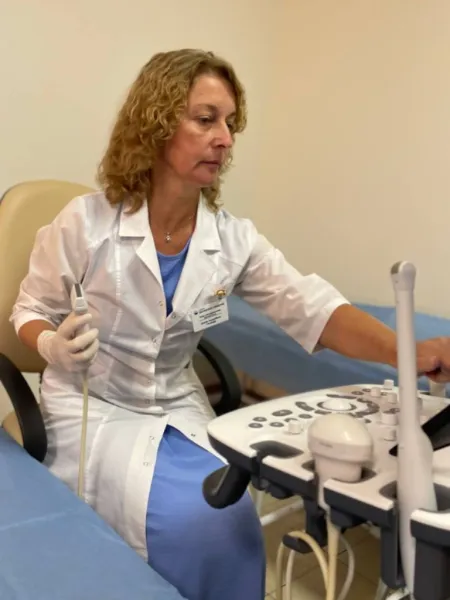
Ultrasound of the upper extremities — diagnostics of joints, vessels, and soft tissues of the arms.
Докладніше


