
Інформація опублікована з довідковою метою і не є рекламою, офертою, публічною пропозицією або керівництвом до застосування. Представлена виключно для інформування наших пацієнтів, які перебувають за кордоном. Сайт не здійснює жодної дистанційної торгівлі. Продаж, розповсюдження, доставка та призначення товарів через веб-ресурс не провадяться. Застосування товарів та медичних послуг можливе виключно за призначенням лікаря. Консультації надаються фахівцями клініки у очному форматі або за допомогою дистанційної медичної консультації у рамках чинного законодавства. Прошу звернути Вашу увагу, що у цьому довіднику продаж товарів програмно не передбачено.
FLUSHING OF VENOUS PORT SYSTEM
An important procedure for the safe and long-term operation of the port.
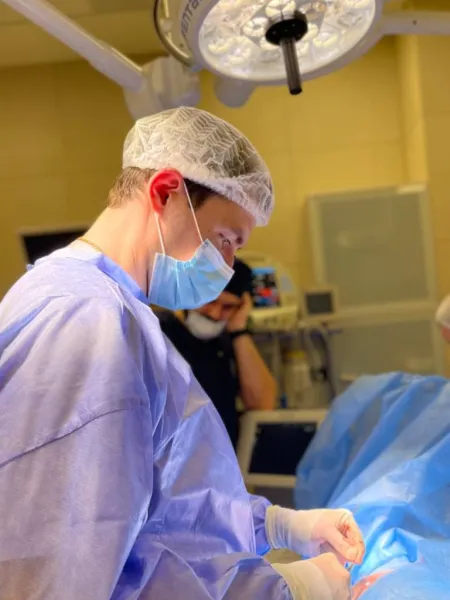
A venous port system is a reliable access to a central vein used for chemotherapy, medication administration, infusions, and blood draws. To ensure the port functions well and without complications, it needs to be flushed regularly. This is a simple but essential procedure that ensures patient safety.
Why Port Flushing is Necessary
The port system is located inside the body and is in contact with the bloodstream. Without regular flushing, microclots can form in the catheter, leading to:
• difficulty in administering medications
• risk of catheter blockage
• need for port replacement
• inflammatory complications
Flushing maintains the system's patency and reduces the risk of infections.
How the Procedure is Conducted
Flushing is performed by medical staff under sterile conditions. The procedure takes about 10 minutes.
Skin is treated with an antiseptic.
The port is punctured with a special needle.
The system is flushed with saline or heparinized solution.
The needle is closed, and a sterile dressing is applied if necessary.
The procedure is painless and suitable for regular port maintenance.
How Often the Port Needs Flushing
Recommendations may vary, but generally:
• during active treatment — as prescribed by a doctor after each infusion
• during remission — approximately once every 4 weeks
The doctor will determine an individual schedule based on the therapy and the patient's condition.
When It's Important to Come for Flushing
Consult a specialist if you notice:
• difficulty in administering medications
• resistance during flushing
• discomfort or redness around the port area
• swelling or warming of the skin over the port
Timely flushing prevents complications and extends the lifespan of the port system.
Why You Should Do It at Our Clinic
Our clinic employs doctors and nurses with extensive experience in managing patients with port systems. We strictly adhere to sterility protocols, use high-quality materials, and create a comfortable environment. The procedure is conducted quickly, carefully, and safely.
Why Port Flushing is Necessary
The port system is located inside the body and is in contact with the bloodstream. Without regular flushing, microclots can form in the catheter, leading to:
• difficulty in administering medications
• risk of catheter blockage
• need for port replacement
• inflammatory complications
Flushing maintains the system's patency and reduces the risk of infections.
How the Procedure is Conducted
Flushing is performed by medical staff under sterile conditions. The procedure takes about 10 minutes.
Skin is treated with an antiseptic.
The port is punctured with a special needle.
The system is flushed with saline or heparinized solution.
The needle is closed, and a sterile dressing is applied if necessary.
The procedure is painless and suitable for regular port maintenance.
How Often the Port Needs Flushing
Recommendations may vary, but generally:
• during active treatment — as prescribed by a doctor after each infusion
• during remission — approximately once every 4 weeks
The doctor will determine an individual schedule based on the therapy and the patient's condition.
When It's Important to Come for Flushing
Consult a specialist if you notice:
• difficulty in administering medications
• resistance during flushing
• discomfort or redness around the port area
• swelling or warming of the skin over the port
Timely flushing prevents complications and extends the lifespan of the port system.
Why You Should Do It at Our Clinic
Our clinic employs doctors and nurses with extensive experience in managing patients with port systems. We strictly adhere to sterility protocols, use high-quality materials, and create a comfortable environment. The procedure is conducted quickly, carefully, and safely.


