
Інформація опублікована з довідковою метою і не є рекламою, офертою, публічною пропозицією або керівництвом до застосування. Представлена виключно для інформування наших пацієнтів, які перебувають за кордоном. Сайт не здійснює жодної дистанційної торгівлі. Продаж, розповсюдження, доставка та призначення товарів через веб-ресурс не провадяться. Застосування товарів та медичних послуг можливе виключно за призначенням лікаря. Консультації надаються фахівцями клініки у очному форматі або за допомогою дистанційної медичної консультації у рамках чинного законодавства. Прошу звернути Вашу увагу, що у цьому довіднику продаж товарів програмно не передбачено.
Estrogens, progestins, androgens
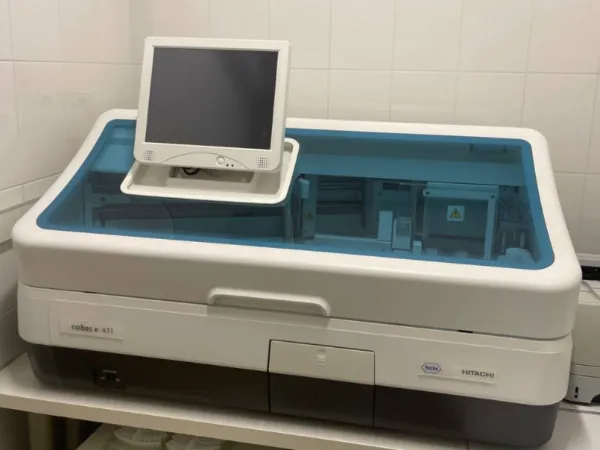
Estrogens, progestins, and androgens at the "Genesis Dnipro" laboratory — hormonal balance for health and reproduction.
-Estradiol (E2, Estradiol)
-Progesterone
-Testosterone (total and free)
-Sex Hormone-Binding Globulin (SHBG)
-Dihydrotestosterone (DHT)
-Androstenedione
-Dehydroepiandrosterone Sulfate (DHEA-S04)
-17-Hydroxyprogesterone (17-OHP)
Sex steroid hormones regulate the development of sexual characteristics, reproductive function, and hormonal balance in men and women.
When it is recommended to take tests:
-menstrual cycle disorders, ovulation issues, infertility;
-climacteric symptoms (hot flashes, mood swings, insomnia);
-decreased libido, chronic fatigue, depression;
-acne, oily skin, hair loss, hirsutism;
-suspected endocrine syndromes (PCOS, hypogonadism, hyperandrogenism).
How the study is conducted:
Venous blood is taken for analysis on an empty stomach.
Women are recommended to take tests on specific days of the cycle (usually days 3–5 for estrogens and androgens, days 21–23 for progesterone).
Results are provided with interpretation and reference values.
-Progesterone
-Testosterone (total and free)
-Sex Hormone-Binding Globulin (SHBG)
-Dihydrotestosterone (DHT)
-Androstenedione
-Dehydroepiandrosterone Sulfate (DHEA-S04)
-17-Hydroxyprogesterone (17-OHP)
Sex steroid hormones regulate the development of sexual characteristics, reproductive function, and hormonal balance in men and women.
When it is recommended to take tests:
-menstrual cycle disorders, ovulation issues, infertility;
-climacteric symptoms (hot flashes, mood swings, insomnia);
-decreased libido, chronic fatigue, depression;
-acne, oily skin, hair loss, hirsutism;
-suspected endocrine syndromes (PCOS, hypogonadism, hyperandrogenism).
How the study is conducted:
Venous blood is taken for analysis on an empty stomach.
Women are recommended to take tests on specific days of the cycle (usually days 3–5 for estrogens and androgens, days 21–23 for progesterone).
Results are provided with interpretation and reference values.


