
Information about medicinal products published on this website is provided for informational purposes only and does not constitute advertising, a public offer, an offer for sale, or instructions for use.
The use of medicinal products is permitted only upon a doctor’s prescription. Consultations are provided by clinic specialists in person or online in accordance with applicable law.
The use of medicinal products is permitted only upon a doctor’s prescription. Consultations are provided by clinic specialists in person or online in accordance with applicable law.
HEAVY METALS. HAIR DIAGNOSIS. (SWITZERLAND)
Hair analysis for heavy metals is a method for assessing the long-term (chronic) accumulation of metals in the body.
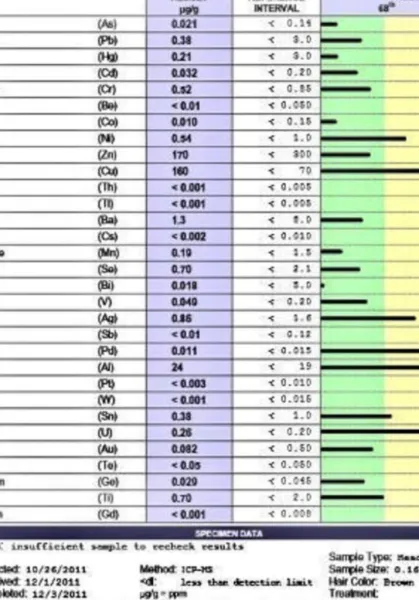
Hair analysis reflects the chronic accumulation of heavy metals in tissues. Hair serves as a biological archive of exposure to toxic elements, recording their entry into the body over several months. Metals embedded in the keratin structure of hair reflect tissue exposure rather than temporary circulation in the blood.
What is it used for?
- Diagnosis of chronic intoxication
- Investigating causes of infertility and pregnancy loss
- Endocrine and hormonal disorders
- Autoimmune processes
- Neurological and neurodegenerative conditions
- Chronic fatigue, asthenia, cognitive impairments
- Examination of children
- Situations without obvious contact with toxin sources
What does it show?
- Total heavy metal burden
- Prolonged low-dose exposure
- Hidden intoxication with normal blood tests
Limitations of the method:
- Not used for diagnosing acute poisoning
- Requires correct laboratory methodology
- Interpreted only in a clinical context
What is it used for?
- Diagnosis of chronic intoxication
- Investigating causes of infertility and pregnancy loss
- Endocrine and hormonal disorders
- Autoimmune processes
- Neurological and neurodegenerative conditions
- Chronic fatigue, asthenia, cognitive impairments
- Examination of children
- Situations without obvious contact with toxin sources
What does it show?
- Total heavy metal burden
- Prolonged low-dose exposure
- Hidden intoxication with normal blood tests
Limitations of the method:
- Not used for diagnosing acute poisoning
- Requires correct laboratory methodology
- Interpreted only in a clinical context


