
HEAVY METALS
Diagnosis through Hair, Blood, and Urine
1. Hair Analysis for Heavy Metals
Clinical Significance:
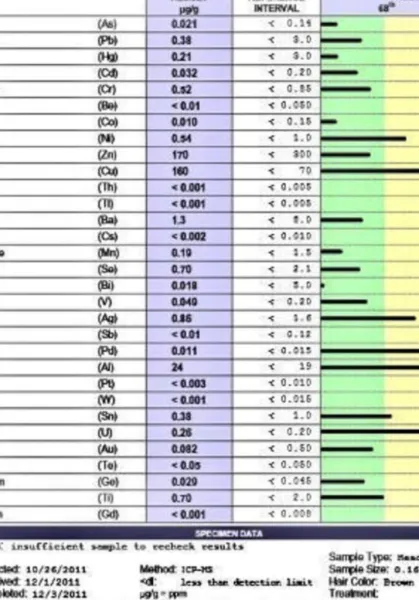
Hair analysis reflects the chronic accumulation of heavy metals in tissues. Hair serves as a biological archive of exposure to toxic elements, recording their entry into the body over several months. Metals embedded in the keratin structure of hair reflect tissue exposure rather than temporary circulation in the blood.
Diagnosis through Hair, Blood, and Urine
1. Hair Analysis for Heavy Metals
Clinical Significance:
Hair analysis reflects the chronic accumulation of heavy metals in tissues. Hair serves as a biological archive of exposure to toxic elements, recording their entry into the body over several months. Metals embedded in the keratin structure of hair reflect tissue exposure rather than temporary circulation in the blood.
Metals embedded in the keratin structure of hair reflect tissue exposure rather than temporary circulation in the blood.
Applications:
- Diagnosis of chronic intoxication
- Investigating causes of infertility and pregnancy loss
- Endocrine and hormonal disorders
- Autoimmune processes
- Neurological and neurodegenerative conditions
- Chronic fatigue, asthenia, cognitive impairments
- Examination of children
- Situations without obvious contact with toxin sources
What it shows:
- Total heavy metal burden
- Prolonged low-dose exposure
- Hidden intoxication with normal blood tests
Method Limitations:
- Not used for diagnosing acute poisoning
- Requires correct laboratory methodology
- Interpreted only in a clinical context
2. Blood Analysis for Heavy Metals
Clinical Significance:
Blood analysis reflects the current concentration of heavy metals in the systemic circulation. It shows metals actively circulating at the time of the study.
Applications:
- Suspected acute or subacute poisoning
- Recent contact with toxin sources
- Occupational and professional risks
- Toxicological examination
- Monitoring potentially hazardous medications or contrast agents
What it shows:
- Current presence of metals in the blood
- Degree of recent exposure
- Risk of acute toxic effects
Method Limitations:
- Does not reflect tissue accumulation
- May remain within reference ranges in chronic intoxication
- Not suitable for assessing long-term exposure
3. Urine Analysis for Heavy Metals
Clinical Significance:
Urine analysis reflects the excretion of heavy metals through the kidneys. It shows the degree of excretion rather than the level of accumulation.
Applications:
- Assessing the body's ability to eliminate toxins
- Monitoring the effectiveness of detoxification measures
- Dynamic observation
- Monitoring after chelation therapy
Study Variants:
- Without provocation: spontaneous excretion
- With provocation: mobilizable fraction of metals
What it shows:
- Active or passive excretion
- Functional state of the excretory system
- Detoxification dynamics
Method Limitations:
- Does not reflect the total tissue pool
- Limited diagnostic value without comparison to hair and blood
- Possible false-normal results
Overall Diagnostic Logic:
The choice of heavy metal analysis depends on the clinical task:
- Hair: assessment of chronic accumulation
- Blood: assessment of current circulation
- Urine: assessment of excretion
Using these methods provides a complete picture of the body's toxic load: chronic, acute, treatment monitoring. . .
PREPARATION RULES:
HAIR FOR TRACE ELEMENTS AND HEAVY METALS
Before submitting hair samples for trace element and heavy metal analysis, refrain from using hair styling products and shampoos containing zinc and selenium. If mineralized shampoos have been used recently, wash hair thoroughly with water if necessary. Store and transport hair samples in a zip-lock bag. Required amount of hair: 200-300 strands (approximately 2 tablespoons). To assess the body's condition over the past month, cut hair about 1 cm long from the root area. Hair cut from the ends of strands has no diagnostic value. Heavy metals accumulate in hair within 2 weeks. Attention! Uncolored hair is required for the study!
URINE
Before collecting the sample, thoroughly clean the external genitalia. Women should not collect urine during menstruation. For men, thorough cleaning of the external genitalia is required. For infants, after thorough cleaning of the genitalia, it is preferable to collect urine in a urine collection bag. Urine collected from a diaper is not suitable for analysis! Collect urine in a special container. Storage and transportation conditions: 2 hours at +20-25℃, 12 hours at +2-8℃.
BLOOD
An important condition for laboratory tests is to give blood on an empty stomach – a 6-12 hour fasting period. On the day of the test, a small amount of water is allowed. Exclude alcohol consumption, smoking, limit physical activity, and avoid taking medication 6-12 hours before the test. If it is impossible to stop taking medication, inform the laboratory.
Applications:
- Diagnosis of chronic intoxication
- Investigating causes of infertility and pregnancy loss
- Endocrine and hormonal disorders
- Autoimmune processes
- Neurological and neurodegenerative conditions
- Chronic fatigue, asthenia, cognitive impairments
- Examination of children
- Situations without obvious contact with toxin sources
What it shows:
- Total heavy metal burden
- Prolonged low-dose exposure
- Hidden intoxication with normal blood tests
Method Limitations:
- Not used for diagnosing acute poisoning
- Requires correct laboratory methodology
- Interpreted only in a clinical context
2. Blood Analysis for Heavy Metals
Clinical Significance:
Blood analysis reflects the current concentration of heavy metals in the systemic circulation. It shows metals actively circulating at the time of the study.
Applications:
- Suspected acute or subacute poisoning
- Recent contact with toxin sources
- Occupational and professional risks
- Toxicological examination
- Monitoring potentially hazardous medications or contrast agents
What it shows:
- Current presence of metals in the blood
- Degree of recent exposure
- Risk of acute toxic effects
Method Limitations:
- Does not reflect tissue accumulation
- May remain within reference ranges in chronic intoxication
- Not suitable for assessing long-term exposure
3. Urine Analysis for Heavy Metals
Clinical Significance:
Urine analysis reflects the excretion of heavy metals through the kidneys. It shows the degree of excretion rather than the level of accumulation.
Applications:
- Assessing the body's ability to eliminate toxins
- Monitoring the effectiveness of detoxification measures
- Dynamic observation
- Monitoring after chelation therapy
Study Variants:
- Without provocation: spontaneous excretion
- With provocation: mobilizable fraction of metals
What it shows:
- Active or passive excretion
- Functional state of the excretory system
- Detoxification dynamics
Method Limitations:
- Does not reflect the total tissue pool
- Limited diagnostic value without comparison to hair and blood
- Possible false-normal results
Overall Diagnostic Logic:
The choice of heavy metal analysis depends on the clinical task:
- Hair: assessment of chronic accumulation
- Blood: assessment of current circulation
- Urine: assessment of excretion
Using these methods provides a complete picture of the body's toxic load: chronic, acute, treatment monitoring. . .
PREPARATION RULES:
HAIR FOR TRACE ELEMENTS AND HEAVY METALS
Before submitting hair samples for trace element and heavy metal analysis, refrain from using hair styling products and shampoos containing zinc and selenium. If mineralized shampoos have been used recently, wash hair thoroughly with water if necessary. Store and transport hair samples in a zip-lock bag. Required amount of hair: 200-300 strands (approximately 2 tablespoons). To assess the body's condition over the past month, cut hair about 1 cm long from the root area. Hair cut from the ends of strands has no diagnostic value. Heavy metals accumulate in hair within 2 weeks. Attention! Uncolored hair is required for the study!
URINE
Before collecting the sample, thoroughly clean the external genitalia. Women should not collect urine during menstruation. For men, thorough cleaning of the external genitalia is required. For infants, after thorough cleaning of the genitalia, it is preferable to collect urine in a urine collection bag. Urine collected from a diaper is not suitable for analysis! Collect urine in a special container. Storage and transportation conditions: 2 hours at +20-25℃, 12 hours at +2-8℃.
BLOOD
An important condition for laboratory tests is to give blood on an empty stomach – a 6-12 hour fasting period. On the day of the test, a small amount of water is allowed. Exclude alcohol consumption, smoking, limit physical activity, and avoid taking medication 6-12 hours before the test. If it is impossible to stop taking medication, inform the laboratory.
Вас може проконсультувати лікар вищої категорії, КМН, Перелигін І.В.
Hair analysis for heavy metals is a method for assessing the long-term (chronic) accumulation of metals in the...
ДокладнішеMaterial for analysis: whole blood / urine / hair List of indicators: zinc, cadmium, lead, mercury, a...
Докладніше


