
Toxicology и тяжёлые металлы
Toxicology and Heavy Metals — Accurate Diagnosis of Intoxications and Body Contamination
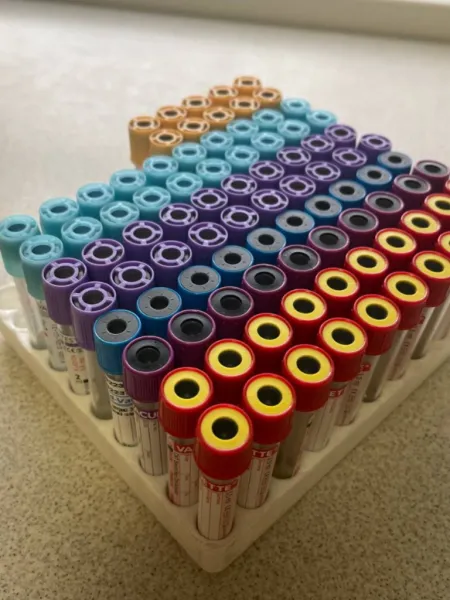
Analyses for:
- cadmium,
- mercury,
- lead,
- arsenic,
- zinc,
- copper, and others.
Determination of the content of toxic and essential trace elements. Used in cases of poisoning, chronic intoxications, as well as for assessing environmental and occupational risks.
What a toxicological study includes
Depending on the purpose of the examination, the analysis may include:
Lead (Pb) — accumulates in bones, causes anemia, and affects the nervous system.
Mercury (Hg) — toxic to the kidneys, liver, thyroid, and brain.
Cadmium (Cd) — negatively affects the kidneys and bone tissue.
Arsenic (As) — a carcinogen that affects the skin, blood vessels, and liver.
Aluminum (Al) — associated with memory and concentration disorders.
Manganese (Mn) — excess causes neurological disorders.
Copper (Cu), zinc (Zn), selenium (Se) — evaluated in combination to identify trace element imbalances.
The study can be conducted using blood, urine, or hair, depending on the nature of exposure and the duration of intoxication.
⚠️ When to undergo a toxicological examination
- in cases of chronic fatigue, headaches, memory impairment;
- in cases of anemia, brittle nails, and hair loss;
- when working with industrial chemicals, paints, metals;
- after experiencing intoxication or prolonged medication use;
- in cases of liver, kidney, or thyroid diseases;
- for prevention in residents of industrial areas.
- cadmium,
- mercury,
- lead,
- arsenic,
- zinc,
- copper, and others.
Determination of the content of toxic and essential trace elements. Used in cases of poisoning, chronic intoxications, as well as for assessing environmental and occupational risks.
What a toxicological study includes
Depending on the purpose of the examination, the analysis may include:
Lead (Pb) — accumulates in bones, causes anemia, and affects the nervous system.
Mercury (Hg) — toxic to the kidneys, liver, thyroid, and brain.
Cadmium (Cd) — negatively affects the kidneys and bone tissue.
Arsenic (As) — a carcinogen that affects the skin, blood vessels, and liver.
Aluminum (Al) — associated with memory and concentration disorders.
Manganese (Mn) — excess causes neurological disorders.
Copper (Cu), zinc (Zn), selenium (Se) — evaluated in combination to identify trace element imbalances.
The study can be conducted using blood, urine, or hair, depending on the nature of exposure and the duration of intoxication.
⚠️ When to undergo a toxicological examination
- in cases of chronic fatigue, headaches, memory impairment;
- in cases of anemia, brittle nails, and hair loss;
- when working with industrial chemicals, paints, metals;
- after experiencing intoxication or prolonged medication use;
- in cases of liver, kidney, or thyroid diseases;
- for prevention in residents of industrial areas.


