
Lipid complex and cardioreisks
Lipid complex and cardiac risks at the "Genesis Dnipro" laboratory — accurate assessment of vascular health and prevention of atherosclerosis.
Tests:
Triglycerides,
Total cholesterol,
Non-high-density lipoprotein cholesterol (non-HDL-C),
Apolipoprotein B,
Lipoprotein(a),
Atherogenic coefficient (AC),
Very low-density lipoproteins (VLDL),
Low-density lipoproteins (LDL),
High-density lipoproteins (HDL).
Comprehensive lipid metabolism study.
These tests allow for the assessment of the risk of developing atherosclerosis, coronary heart disease, stroke, and other cardiovascular complications.
When to take a lipid profile test
The test is recommended:
- For high blood pressure, overweight, or diabetes;
- With a hereditary predisposition to cardiovascular diseases;
- With poor diet, sedentary lifestyle, smoking;
- Before starting hormone therapy or taking lipid-lowering drugs;
- For preventive monitoring after age 35 (for men) and after age 40 (for women).
⚙️ How the study is conducted
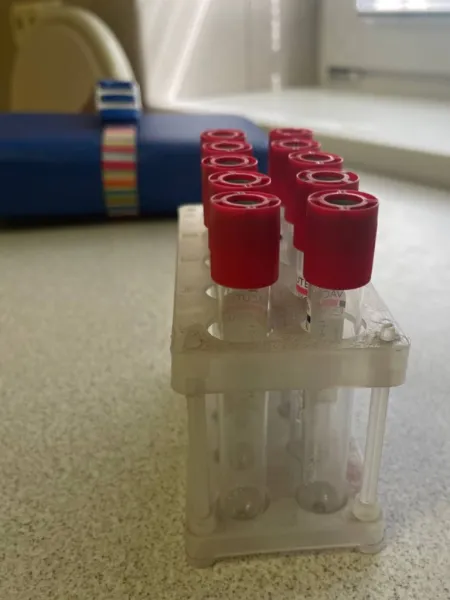
Blood is drawn from a vein on an empty stomach — it is advisable not to eat for 8–10 hours before the test. It is recommended to avoid fatty foods and alcohol for a day before the test.
Lipid profile results are available on the day of the test and include all indicators with risk level interpretation.
💡 Why choose the "Genesis Dnipro" laboratory
- Modern biochemical analyzers
- High accuracy and prompt results
- Opportunity for comprehensive heart and vascular examination
- Consultations with a therapist and cardiologist
- Individual recommendations for diet and lifestyle adjustments
The lipid complex is an important step in preventing heart attacks, strokes, and atherosclerosis.
Regular cholesterol and lipid level checks at the "Genesis Dnipro" laboratory allow for the timely detection of hidden risks and help maintain heart health for many years.
Triglycerides,
Total cholesterol,
Non-high-density lipoprotein cholesterol (non-HDL-C),
Apolipoprotein B,
Lipoprotein(a),
Atherogenic coefficient (AC),
Very low-density lipoproteins (VLDL),
Low-density lipoproteins (LDL),
High-density lipoproteins (HDL).
Comprehensive lipid metabolism study.
These tests allow for the assessment of the risk of developing atherosclerosis, coronary heart disease, stroke, and other cardiovascular complications.
When to take a lipid profile test
The test is recommended:
- For high blood pressure, overweight, or diabetes;
- With a hereditary predisposition to cardiovascular diseases;
- With poor diet, sedentary lifestyle, smoking;
- Before starting hormone therapy or taking lipid-lowering drugs;
- For preventive monitoring after age 35 (for men) and after age 40 (for women).
⚙️ How the study is conducted
Blood is drawn from a vein on an empty stomach — it is advisable not to eat for 8–10 hours before the test. It is recommended to avoid fatty foods and alcohol for a day before the test.
Lipid profile results are available on the day of the test and include all indicators with risk level interpretation.
💡 Why choose the "Genesis Dnipro" laboratory
- Modern biochemical analyzers
- High accuracy and prompt results
- Opportunity for comprehensive heart and vascular examination
- Consultations with a therapist and cardiologist
- Individual recommendations for diet and lifestyle adjustments
The lipid complex is an important step in preventing heart attacks, strokes, and atherosclerosis.
Regular cholesterol and lipid level checks at the "Genesis Dnipro" laboratory allow for the timely detection of hidden risks and help maintain heart health for many years.


