
Information about medicinal products published on this website is provided for informational purposes only and does not constitute advertising, a public offer, an offer for sale, or instructions for use.
The use of medicinal products is permitted only upon a doctor’s prescription. Consultations are provided by clinic specialists in person or online in accordance with applicable law.
The use of medicinal products is permitted only upon a doctor’s prescription. Consultations are provided by clinic specialists in person or online in accordance with applicable law.
Acne checkup. Demodicosis.
Our CHECKUP is a comprehensive diagnostic program designed to identify the true causes of acne, chronic rashes, and demodex infestation.
1100у.е.
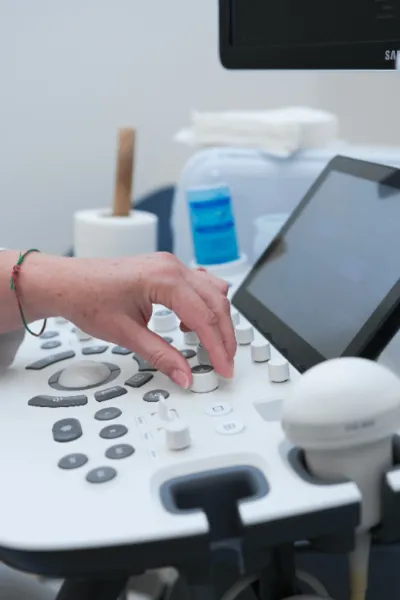
Examination consists of:
Laboratory diagnostics
Endocrinology — Sex hormones and regulators:
- Dihydrotestosterone (DHT)
- Total testosterone
- Free testosterone
- Androstenedione
- DHEA-sulfate (DHEA-S)
- Sex hormone–binding globulin (SHBG)
- Luteinizing hormone (LH)
- Follicle-stimulating hormone (FSH)
- Prolactin
- Anti-Müllerian hormone (AMH, MIS)
Endocrinology — Stress and thyroid panel:
- Cortisol (08:00 a.m.)
- Thyroid-stimulating hormone (TSH)
- Free thyroxine (free T4)
- Free triiodothyronine (free T3)
- Antibodies to thyroglobulin (anti-Tg)
- Antibodies to thyroid peroxidase (anti-TPO)
Carbohydrate metabolism and metabolic markers:
- Fasting glucose
- Fasting insulin
- Insulin-like growth factor-1 (IGF-1)
Biochemistry, lipid profile and systemic inflammation:
- Alanine aminotransferase (ALT)
- Aspartate aminotransferase (AST)
- Gamma-glutamyl transferase (GGT)
- Total bilirubin
- Direct bilirubin
- Total cholesterol
- High-density lipoprotein (HDL)
- Low-density lipoprotein (LDL)
- Triglycerides
- High-sensitivity C-reactive protein (hs-CRP)
Nutritional status and iron metabolism:
- Vitamin D (25-hydroxyvitamin D, 25-(OH)D)
- Vitamin A (retinol) (Germany)
- Zinc (Zn)
- Ferritin
- Serum iron
- Transferrin
Instrumental diagnostics:
- Abdominal ultrasound (liver, gallbladder, spleen)
- Kidney ultrasound
- Thyroid ultrasound
- Breast ultrasound
- Lymphatic system ultrasound (regional lymph nodes)
Substrate analysis and local examinations:
Gastroenterology panel (GI screening)
- Complete stool analysis (coprogram)
- Stool analysis for intestinal parasites (Parasep concentration method)
Dermatology panel (local skin diagnostics)
- Examination for Demodex mites (epithelial scraping)
- Bacteriological culture of pustule contents with antibiotic and bacteriophage susceptibility testing
Specialist consultations:
- Dermatologist consultation
- Consultation with Perelygina I. V.
Medical support
---------------------------------------------
Preparation for the Check-up “Acne. Demodicosis”
Fasting.
Blood must be taken strictly in the morning while fasting. At least 8–12 hours should pass between your last meal and the blood draw. You may and should drink plain, non-carbonated water.
Exclude the day before.
For 24 hours before the examination, completely avoid alcohol, fatty, fried and spicy foods, as well as intense physical activity (workouts).
Morning rest.
Do not smoke for 1–2 hours before the blood draw (including vapes and heated tobacco systems). Immediately before entering the procedure room, sit calmly for 10–15 minutes.
Special rules for the hormonal panel
Pay special attention to tests for stress hormones, reproductive hormones and thyroid hormones.
Day of the menstrual cycle (for women). Sex hormone tests are recommended on days 2–5 of the menstrual cycle unless your treating physician has specified different timing.
Cortisol and prolactin. Blood for cortisol must be drawn strictly at 08:00 a.m., because this is when the physiological peak of the hormone occurs. Later sampling reduces the diagnostic value of the test.
Prolactin is extremely sensitive to physical and emotional stress. For 24 hours before the test avoid stress, strong emotional experiences, visiting baths/saunas, massage and sexual intercourse. Before blood draw you should be awake for at least 2–3 hours.
Thyroid panel (TSH, free T3 and T4). If you are taking thyroid medications (e.g., levothyroxine), blood should be drawn before you take your morning dose.
Preparation for nutrient and metabolic marker testing
Vitamin A, zinc, iron, ferritin. For 3–5 days before testing (in agreement with your treating physician) it is recommended to temporarily stop taking vitamin-mineral complexes, iron and zinc supplements and multivitamins. This allows an objective assessment of your endogenous levels rather than levels influenced by recent supplementation.
Glucose and insulin.
Do not overconsume simple carbohydrates the evening before (sweets, pastries, large amounts of fruit) to avoid falsely elevated glucose and insulin levels.
Important
If you are taking combined oral contraceptives (COCs), glucocorticoids or systemic retinoids, be sure to inform your physician before having the tests. These medications can substantially affect sex hormone levels, lipid profile and liver biochemistry.
Laboratory diagnostics
Endocrinology — Sex hormones and regulators:
- Dihydrotestosterone (DHT)
- Total testosterone
- Free testosterone
- Androstenedione
- DHEA-sulfate (DHEA-S)
- Sex hormone–binding globulin (SHBG)
- Luteinizing hormone (LH)
- Follicle-stimulating hormone (FSH)
- Prolactin
- Anti-Müllerian hormone (AMH, MIS)
Endocrinology — Stress and thyroid panel:
- Cortisol (08:00 a.m.)
- Thyroid-stimulating hormone (TSH)
- Free thyroxine (free T4)
- Free triiodothyronine (free T3)
- Antibodies to thyroglobulin (anti-Tg)
- Antibodies to thyroid peroxidase (anti-TPO)
Carbohydrate metabolism and metabolic markers:
- Fasting glucose
- Fasting insulin
- Insulin-like growth factor-1 (IGF-1)
Biochemistry, lipid profile and systemic inflammation:
- Alanine aminotransferase (ALT)
- Aspartate aminotransferase (AST)
- Gamma-glutamyl transferase (GGT)
- Total bilirubin
- Direct bilirubin
- Total cholesterol
- High-density lipoprotein (HDL)
- Low-density lipoprotein (LDL)
- Triglycerides
- High-sensitivity C-reactive protein (hs-CRP)
Nutritional status and iron metabolism:
- Vitamin D (25-hydroxyvitamin D, 25-(OH)D)
- Vitamin A (retinol) (Germany)
- Zinc (Zn)
- Ferritin
- Serum iron
- Transferrin
Instrumental diagnostics:
- Abdominal ultrasound (liver, gallbladder, spleen)
- Kidney ultrasound
- Thyroid ultrasound
- Breast ultrasound
- Lymphatic system ultrasound (regional lymph nodes)
Substrate analysis and local examinations:
Gastroenterology panel (GI screening)
- Complete stool analysis (coprogram)
- Stool analysis for intestinal parasites (Parasep concentration method)
Dermatology panel (local skin diagnostics)
- Examination for Demodex mites (epithelial scraping)
- Bacteriological culture of pustule contents with antibiotic and bacteriophage susceptibility testing
Specialist consultations:
- Dermatologist consultation
- Consultation with Perelygina I. V.
Medical support
---------------------------------------------
Preparation for the Check-up “Acne. Demodicosis”
Fasting.
Blood must be taken strictly in the morning while fasting. At least 8–12 hours should pass between your last meal and the blood draw. You may and should drink plain, non-carbonated water.
Exclude the day before.
For 24 hours before the examination, completely avoid alcohol, fatty, fried and spicy foods, as well as intense physical activity (workouts).
Morning rest.
Do not smoke for 1–2 hours before the blood draw (including vapes and heated tobacco systems). Immediately before entering the procedure room, sit calmly for 10–15 minutes.
Special rules for the hormonal panel
Pay special attention to tests for stress hormones, reproductive hormones and thyroid hormones.
Day of the menstrual cycle (for women). Sex hormone tests are recommended on days 2–5 of the menstrual cycle unless your treating physician has specified different timing.
Cortisol and prolactin. Blood for cortisol must be drawn strictly at 08:00 a.m., because this is when the physiological peak of the hormone occurs. Later sampling reduces the diagnostic value of the test.
Prolactin is extremely sensitive to physical and emotional stress. For 24 hours before the test avoid stress, strong emotional experiences, visiting baths/saunas, massage and sexual intercourse. Before blood draw you should be awake for at least 2–3 hours.
Thyroid panel (TSH, free T3 and T4). If you are taking thyroid medications (e.g., levothyroxine), blood should be drawn before you take your morning dose.
Preparation for nutrient and metabolic marker testing
Vitamin A, zinc, iron, ferritin. For 3–5 days before testing (in agreement with your treating physician) it is recommended to temporarily stop taking vitamin-mineral complexes, iron and zinc supplements and multivitamins. This allows an objective assessment of your endogenous levels rather than levels influenced by recent supplementation.
Glucose and insulin.
Do not overconsume simple carbohydrates the evening before (sweets, pastries, large amounts of fruit) to avoid falsely elevated glucose and insulin levels.
Important
If you are taking combined oral contraceptives (COCs), glucocorticoids or systemic retinoids, be sure to inform your physician before having the tests. These medications can substantially affect sex hormone levels, lipid profile and liver biochemistry.


